
KYT Graph 2026 monitoring shifts
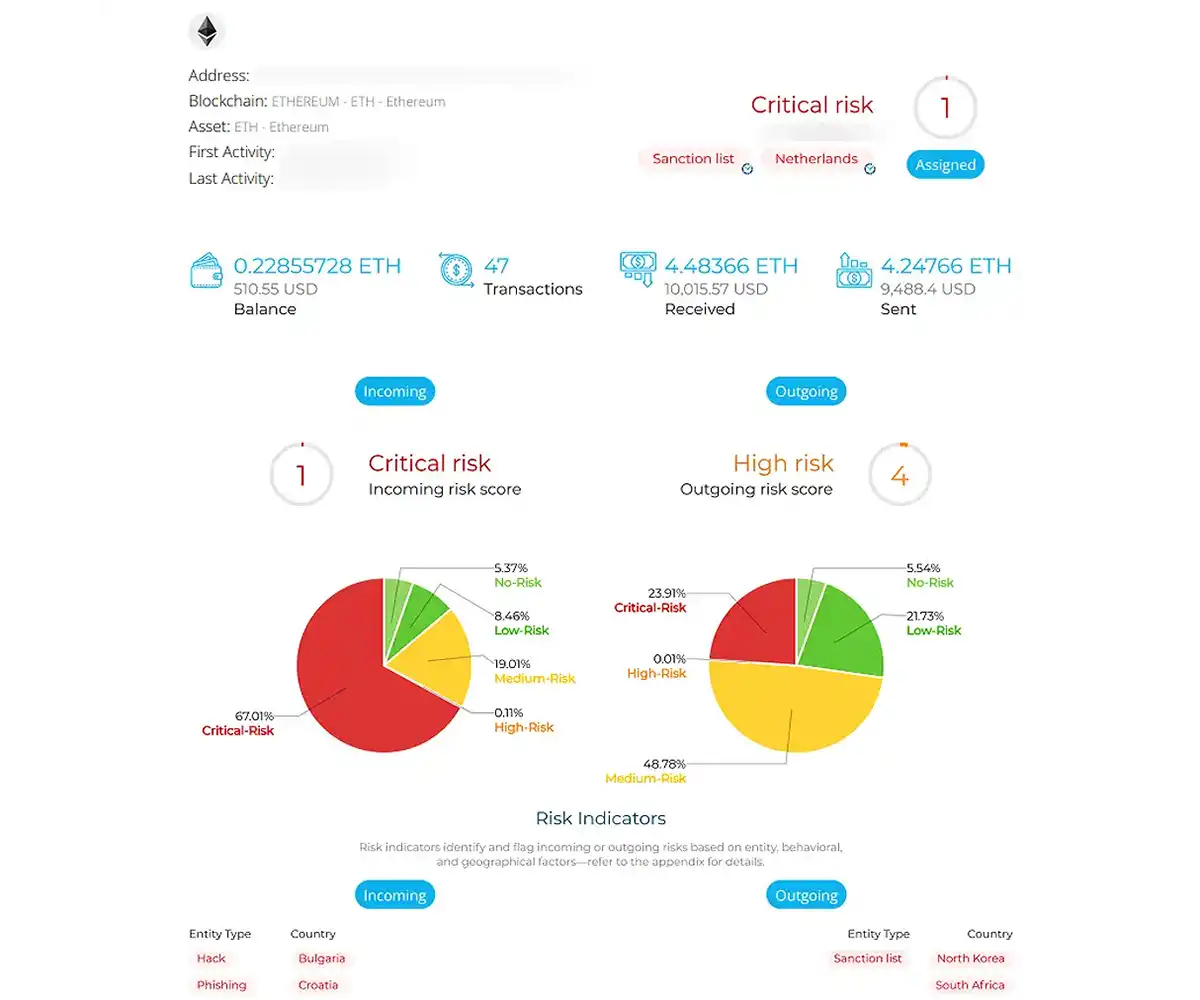
By 2026, Know Your Transaction (KYT) graph analytics have moved beyond retrospective analysis. The landscape has shifted from batch processing to real-time monitoring, a necessity driven by the speed and sophistication of AI-generated fraud patterns. Where traditional systems once flagged suspicious activity after the fact, modern graph databases now map transactional relationships instantaneously, allowing institutions to intercept illicit flows before settlement.
This transition addresses a critical gap in compliance infrastructure. AI-driven fraud schemes operate at machine speed, often leveraging synthetic identities and coordinated networks that evade static rule-based filters. Real-time KYT graph analytics provide the visibility needed to detect these complex, multi-hop relationships as they form. According to industry analysis from Graphwise, the integration of knowledge graphs into AI workflows has accelerated the demand for low-latency graph processing capabilities. This shift is not merely technical; it is a regulatory imperative. Financial institutions are increasingly expected to demonstrate proactive monitoring rather than reactive reporting.
The implications for compliance are substantial. Real-time monitoring requires robust data pipelines that can ingest, process, and analyze transactional data without introducing significant latency. Institutions must ensure their graph databases are optimized for high-throughput queries while maintaining strict data governance standards. The focus is on identifying anomalous patterns—such as rapid layering or circular transactions—that indicate AI-assisted money laundering or fraud. This approach aligns with evolving regulatory expectations, which prioritize the ability to disrupt illicit networks in real time.
While the technology offers enhanced detection capabilities, it also introduces new complexities. The volume of data processed in real time requires careful management to avoid false positives that could disrupt legitimate business operations. Compliance teams must work closely with technology providers to calibrate detection algorithms and ensure that monitoring systems are both effective and efficient. The goal is to create a monitoring framework that is both responsive and precise, capable of distinguishing between legitimate complex transactions and those indicative of fraudulent activity.
The shift to real-time KYT graph analytics represents a fundamental change in how financial institutions approach risk management. It requires a reevaluation of data infrastructure, compliance workflows, and regulatory reporting mechanisms. As AI-generated fraud continues to evolve, the ability to monitor transactional graphs in real time will remain a cornerstone of effective financial crime prevention. Institutions that fail to adapt risk falling behind in the race to combat sophisticated, AI-driven threats.
AI fraud detection in graphs
AI fraud detection mechanisms have shifted from isolated rule-based checks to network-wide analysis. Synthetic identities and coordinated laundering rings do not operate in silos; they leave traces in the topology of transaction graphs. Traditional systems often miss these patterns because they evaluate transactions individually. Graph analytics reveal the hidden connections between wallets that indicate coordinated activity.
AI-driven fraud often uses synthetic identities. Graph analytics detect these by mapping hidden relationships between wallets that traditional rule-based systems miss.
The integration of artificial intelligence with graph topology allows for the identification of complex structures. Synthetic identities, for instance, are constructed by combining real and fabricated information to create a new legal persona. These personas appear legitimate in isolation but exhibit distinct behavioral patterns when mapped against a broader network. AI models can detect these anomalies by analyzing the density and direction of connections, identifying clusters that deviate from normal user behavior.
Coordinated laundering rings present an even greater challenge. These groups use multiple wallets to obfuscate the source of funds, creating intricate chains of transactions. Graph-based AI tools can trace these chains in real-time, identifying the common origin or destination of funds. This capability is critical for regulatory compliance, as it allows institutions to monitor transactions as they occur rather than after the fact.
Real-time monitoring enables the detection of suspicious patterns before they escalate. By continuously updating the graph with new transaction data, AI systems can adapt to evolving fraud tactics. This dynamic approach ensures that compliance measures remain effective against sophisticated threats.
The reliance on official sources and primary data ensures the accuracy of these detections. Institutions must adhere to strict regulatory standards, and graph analytics provide the evidence needed to support compliance reports. By understanding the topology of fraud networks, organizations can better protect themselves and their clients from financial crime.
For further details on graph technology trends, refer to the State of the Graph 2026 report.
2026 regulatory timeline for KYT graph automation
Compliance automation for KYT graph systems is moving from voluntary adoption to mandated implementation across major jurisdictions in 2026. Regulatory bodies are establishing clear deadlines for financial institutions and technology providers to integrate real-time monitoring capabilities into their anti-money laundering (AML) frameworks. This timeline outlines the key dates and jurisdictional requirements that organizations must track to maintain compliance.
The regulatory landscape is shifting rapidly, with the European Union and United States leading the charge in enforcing stricter standards for graph-based transaction monitoring. Institutions that fail to meet these deadlines risk significant penalties, including fines, operational restrictions, and reputational damage. The following steps detail the critical milestones for compliance automation in 2026.
-
EU MiCA Enforcement: The Markets in Crypto-Assets (MiCA) regulation enters its full enforcement phase in the European Union. Financial institutions must demonstrate real-time KYT graph capabilities to monitor cross-border crypto transactions. The European Banking Authority (EBA) has issued guidelines requiring automated transaction monitoring systems to be operational by March 31, 2026. Non-compliance may result in supervisory measures and financial penalties.
-
FinCEN Guidance: The Financial Crimes Enforcement Network (FinCEN) releases updated guidance on the use of graph analytics for AML compliance. This guidance clarifies expectations for real-time monitoring of complex transaction networks, particularly those involving virtual assets. Institutions are expected to have automated KYT graph systems in place by June 30, 2026, to detect suspicious patterns in real time. The guidance emphasizes the need for integration with existing transaction monitoring systems.
-
FATF Recommendation 16 Update: The Financial Action Task Force (FATF) releases its 2026 update to Recommendation 16, focusing on virtual assets and VASPs. This update aligns with the Travel Rule requirements and mandates enhanced due diligence for cross-border transactions. Many jurisdictions are expected to adopt these standards by September 30, 2026, requiring institutions to implement KYT graph automation for real-time compliance monitoring. The FATF highlights the importance of automated systems in detecting complex money laundering networks.
-
Enforcement Actions: Regulatory bodies in major jurisdictions begin enforcing penalties for non-compliance with 2026 KYT automation mandates. Institutions that have not implemented real-time monitoring capabilities may face fines, operational restrictions, or license revocation. Industry experts will discuss these enforcement actions and best practices for compliance automation at the Knowledge Graph Conference 2026, hosted at Cornell Tech in New York City from May 4-8, 2026. This period marks a critical juncture for institutions to ensure their systems are fully operational.
The timeline above reflects the current regulatory expectations as of 2026. Institutions should consult with legal counsel and regulatory experts to ensure compliance with specific jurisdictional requirements. The following FAQ section addresses common questions about these deadlines and their implications for compliance automation.
Implementation checklist for real-time monitoring
Compliance teams must verify that their KYT graph infrastructure supports 2026 real-time monitoring standards. This checklist ensures systems meet regulatory requirements for fraud detection and transaction monitoring.
- Real-time transaction monitoring: Verify sub-second latency for high-volume transaction streams. Systems must process incoming data without significant delay to detect suspicious activity as it occurs.
- AI fraud detection integration: Ensure AI models are trained on recent fraud patterns and can adapt to new threats. The integration should support continuous learning and model updates.
- Compliance automation workflows: Automate regulatory reporting and audit trails. Manual processes introduce risk and delays; automation ensures consistent and timely compliance.
This checklist aligns with standards discussed at the Knowledge Graph Conference 2026, hosted by Graphwise at Cornell Tech in May 2026. Teams should reference these guidelines to validate their infrastructure readiness.
Kyt graph 2026 compliance: what to check next
KYT Graph 2026 implementation raises distinct technical and regulatory questions. The Knowledge Graph Conference 2026, hosted by Graphwise at Cornell Tech in New York City from May 4-8, 2026, provides a forum for these emerging standards. This section addresses common inquiries regarding real-time monitoring and AI fraud detection compliance.
No comments yet. Be the first to share your thoughts!