
KYT graph analytics 2026 update
The compliance landscape for Know Your Transaction (KYT) monitoring has shifted fundamentally in 2026. Regulatory bodies, including the Financial Action Task Force (FATF), have moved beyond recommending periodic reviews to expecting real-time visibility into illicit financial flows. For compliance teams, this means the era of batch processing is effectively over. Waiting for end-of-day settlements to detect sanctions violations now exposes institutions to significant regulatory penalties and reputational damage.
KYT graph analytics 2026 implementations rely on connected intelligence to map transaction networks instantly. Unlike traditional rule-based systems that flag isolated transactions, graph databases analyze the relationships between entities in real time. This approach allows compliance officers to identify complex layering schemes and shell company networks as they form, rather than after the fact. The technology has become the connective tissue behind modern AI-driven screening, enabling systems to process millions of connections per second.
The urgency for adoption is driven by the sophistication of modern money laundering techniques. Criminal networks now use decentralized finance (DeFi) protocols and cross-chain bridges to obscure fund origins. Static screening lists cannot keep pace with these rapid movements. Real-time graph analytics provide the necessary agility to trace funds across multiple hops and jurisdictions instantly. This capability is no longer a competitive advantage but a regulatory expectation for high-risk institutions.
Adopting KYT graph analytics 2026 requires a strategic overhaul of existing compliance infrastructure. It is not merely a software upgrade but a shift in operational philosophy. Compliance teams must integrate graph-based tools into their daily workflows to leverage real-time insights effectively. This integration ensures that sanctions screening is continuous, comprehensive, and aligned with the evolving threats of the digital asset economy.
Real-time transaction monitoring shifts
The operational baseline for compliance has shifted from retrospective batch analysis to immediate, graph-driven risk assessment. In 2026, KYT graph analytics enables institutions to evaluate transaction risk the moment a transfer initiates, rather than days after settlement. This transition aligns with evolving regulatory expectations from bodies such as the Financial Action Task Force (FATF), which emphasizes the necessity of timely detection in preventing illicit finance. The change moves compliance from a historical review process to a dynamic, real-time decision engine.
1. Shift from batch to real-time processing
Traditional compliance workflows relied on nightly batch jobs that aggregated transaction data for subsequent analysis. This approach created a significant latency window, allowing high-risk transactions to clear before any intervention occurred. Modern KYT graph analytics processes data streams in real time, evaluating the context of each transaction as it enters the network. This immediacy reduces the exposure window for sanctions violations and money laundering activities. By analyzing transactions at the point of initiation, institutions can block or flag suspicious activity before funds are irreversibly transferred.
2. Graph-based contextual analysis
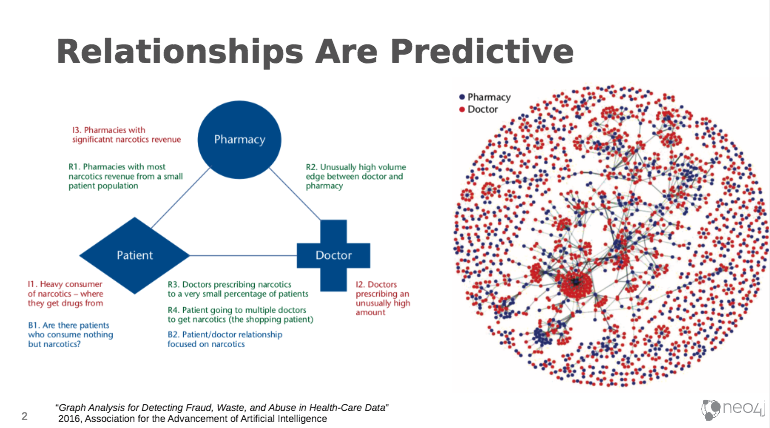
Graph databases provide the structural foundation for understanding complex financial relationships. Unlike relational databases that store data in isolated tables, graph analytics maps entities—such as accounts, individuals, and devices—as nodes and their interactions as edges. This structure allows for the immediate identification of hidden connections, such as circular trading patterns or shell company networks. The ability to traverse multiple hops in real time reveals risk factors that batch analysis often misses. As noted in recent industry analyses, graph databases have become the connective tissue for systems requiring deep contextual intelligence, enabling more accurate risk scoring during live transactions.
3. Immediate risk scoring and decisioning
Real-time monitoring requires instant risk scoring to support operational decisioning. KYT graph analytics assigns a risk score to each transaction based on the velocity and nature of its connections. Transactions involving entities linked to sanctioned lists or high-risk jurisdictions receive immediate flags. This automated scoring allows compliance teams to focus on high-priority alerts rather than sifting through vast amounts of low-risk data. The system can also adapt dynamically, updating risk profiles as new information becomes available. This agility ensures that compliance measures remain effective against evolving typologies of financial crime.
4. Integration with existing compliance workflows
Implementing real-time KYT graph analytics requires seamless integration with existing anti-money laundering (AML) and know-your-customer (KYC) systems. The graph engine must ingest data from various sources, including transaction ledgers, customer onboarding records, and external sanctions lists. This integration ensures a holistic view of customer risk. Institutions must also establish clear protocols for handling real-time alerts, ensuring that compliance officers can act quickly on flagged transactions. The goal is to create a unified compliance infrastructure that supports both regulatory reporting and proactive risk management.
5. Regulatory alignment and reporting
Regulators increasingly expect institutions to demonstrate real-time monitoring capabilities. The FATF and other supervisory bodies emphasize the importance of timely detection and reporting. KYT graph analytics supports this requirement by providing detailed audit trails of real-time decision-making processes. Each transaction evaluation is logged, including the specific graph connections and risk factors considered. This transparency facilitates regulatory examinations and demonstrates compliance with evolving standards. Institutions that adopt real-time KYT graph analytics are better positioned to meet these expectations and mitigate regulatory risk.
-
Low-latency processing capabilities for real-time decisioning
-
Ability to traverse multi-hop relationships instantly
-
Integration with existing AML and KYC systems
-
Comprehensive audit trails for regulatory reporting
-
Dynamic risk scoring models that adapt to new threats
Graph Database Integration for Compliance
KYT graph analytics 2026 relies on graph databases to map the complex web of financial relationships that traditional relational systems struggle to process. These databases treat wallet addresses, exchange accounts, and sanctioned entities as nodes, while transactions and interactions serve as edges. This structure allows compliance teams to visualize hidden networks, such as layering schemes designed to obscure the origin of illicit funds, in real time.
The infrastructure connects on-chain data with off-chain identity signals. When a wallet interacts with a known sanctioned address, the graph engine traces the relationship back to the source entity. This capability is critical for meeting the Financial Action Task Force (FATF) recommendations on virtual assets, which emphasize the need for effective monitoring of beneficial ownership and transaction flows. By integrating sanction lists from bodies like OFAC and the EU directly into the graph, systems can flag suspicious connections before they propagate through the network.
This approach transforms raw transaction data into actionable intelligence. Instead of scanning isolated transactions, KYT platforms analyze the topology of financial flows. This allows for the detection of circular trading patterns and shell company structures that are common in money laundering operations. The result is a more robust compliance framework that adapts to the evolving tactics of bad actors.
2026 Regulatory Timeline and Updates
The regulatory landscape for KYT graph analytics 2026 is defined by a shift from reactive compliance to proactive, real-time monitoring. In early 2026, the Financial Action Task Force (FATF) reinforced its guidance on virtual assets, emphasizing that institutions must identify the originator and beneficiary of transfers across jurisdictions. This directive has pressured firms to adopt graph-based solutions capable of tracing complex, multi-hop transactions that traditional rule-based systems often miss.
By mid-year, the Office of Foreign Assets Control (OFAC) updated its sanctions screening protocols, requiring more granular data on beneficial ownership. These changes align with the themes presented at the Knowledge Graph Conference 2026, where industry leaders discussed leveraging knowledge graphs to meet heightened transparency standards. The convergence of regulatory pressure and graph technology adoption has created a clear timeline for compliance modernization.
As 2026 progresses, regulators are increasingly scrutinizing the efficacy of existing monitoring tools. The focus remains on ensuring that KYT systems can adapt to evolving sanction lists and typologies in real time. Institutions that have integrated graph analytics are better positioned to demonstrate compliance with these dynamic requirements, reducing risk exposure and operational friction.
Common KYT Implementation Errors
Deploying KYT graph analytics 2026 requires precision to avoid costly regulatory missteps. Even sophisticated graph models can fail if they do not account for the nuanced realities of sanctions enforcement. The following pitfalls highlight where implementations often diverge from compliance expectations.
Overreliance on Direct Relationships
A frequent error is focusing exclusively on direct links between entities. Sanctions evasion often involves indirect pathways, where funds or assets move through multiple intermediaries before reaching a restricted party. If the graph model does not traverse these indirect connections, it creates blind spots that allow sanctioned activity to go undetected.
Ignoring Contextual Data
Graph analytics must incorporate contextual data to be effective. Relying solely on structural data—such as who transacted with whom—without integrating entity attributes or transactional context leads to noisy results. The FATF emphasizes the importance of risk-based approaches, which require understanding the nature of the relationship, not just its existence [FATF Guidance]. Without context, the system cannot distinguish between benign and high-risk interactions.
Poor Handling of False Positives
Complex network structures naturally generate false positives. If the KYT graph analytics 2026 implementation does not include robust filtering mechanisms or human-in-the-loop review processes, compliance teams become overwhelmed. This alert fatigue can cause genuine threats to be missed amidst the noise. Effective implementation requires tuning algorithms to reduce noise while maintaining sensitivity to subtle evasion patterns.
KYT Graph Analytics 2026 FAQ
Compliance teams are increasingly relying on KYT graph analytics 2026 methodologies to address the expanding scope of sanctions lists. The following questions address the practical application of these technologies in regulatory workflows.
No comments yet. Be the first to share your thoughts!