
What the KYT Graph Looks Like in 2026
The KYT graph in 2026 has moved beyond simple address flagging. It now maps real-time transaction flows against known fraud patterns, allowing compliance teams to see the full context of a transfer before it settles. This shift from reactive blacklists to proactive graph analysis is the primary defense against the $4.2 billion in crypto fraud projected for this year.
In practice, this means your monitoring tool must visualize relationships between wallets, not just isolated addresses. If a sender interacts with a high-risk mixer, the graph highlights that connection instantly. This visibility allows you to pause suspicious transactions before they hit the blockchain, reducing false positives and speeding up legitimate payments.
To implement this effectively, prioritize providers that offer live graph visualization and API-driven risk scoring. Static reports are no longer sufficient for high-stakes compliance. You need a system that updates as the fraud landscape shifts, ensuring your KYT protocols remain effective against evolving tactics.
Kyt graph 2026 choices that change the plan
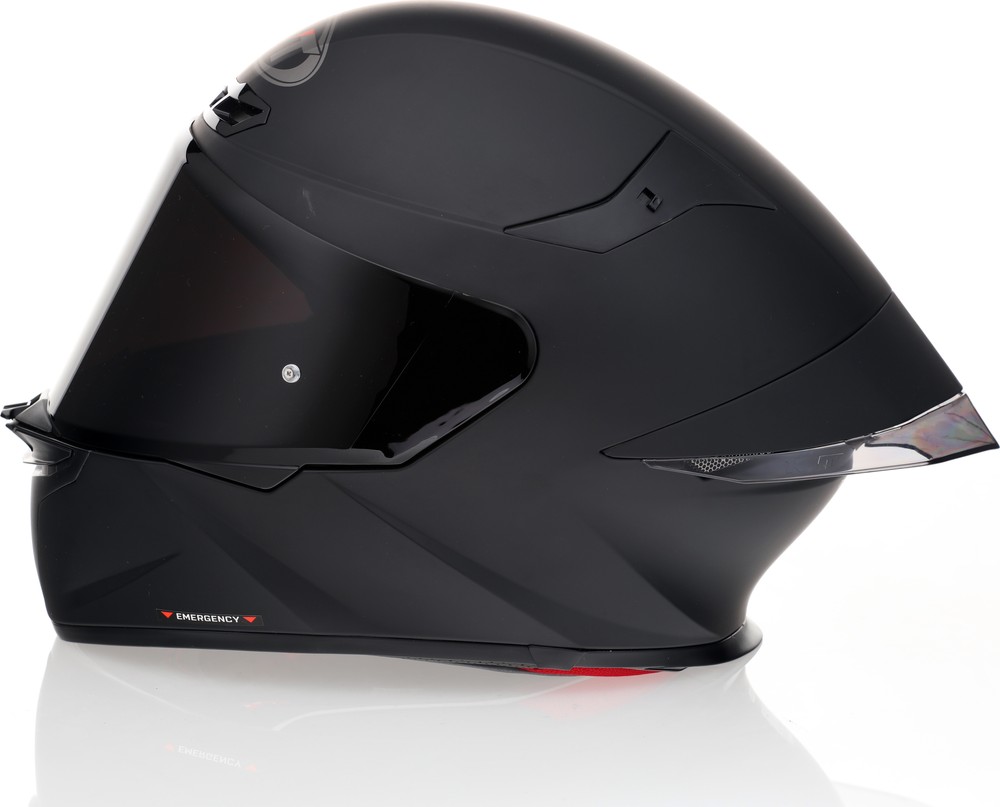
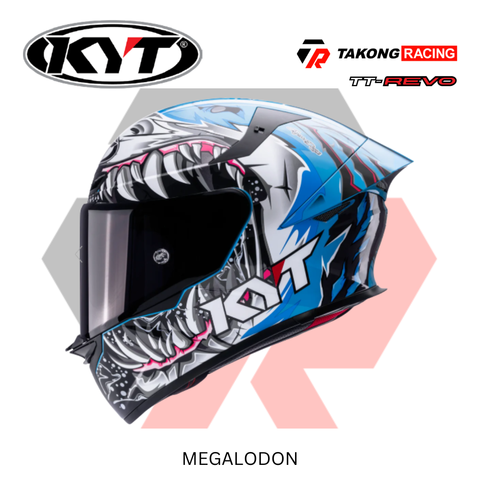
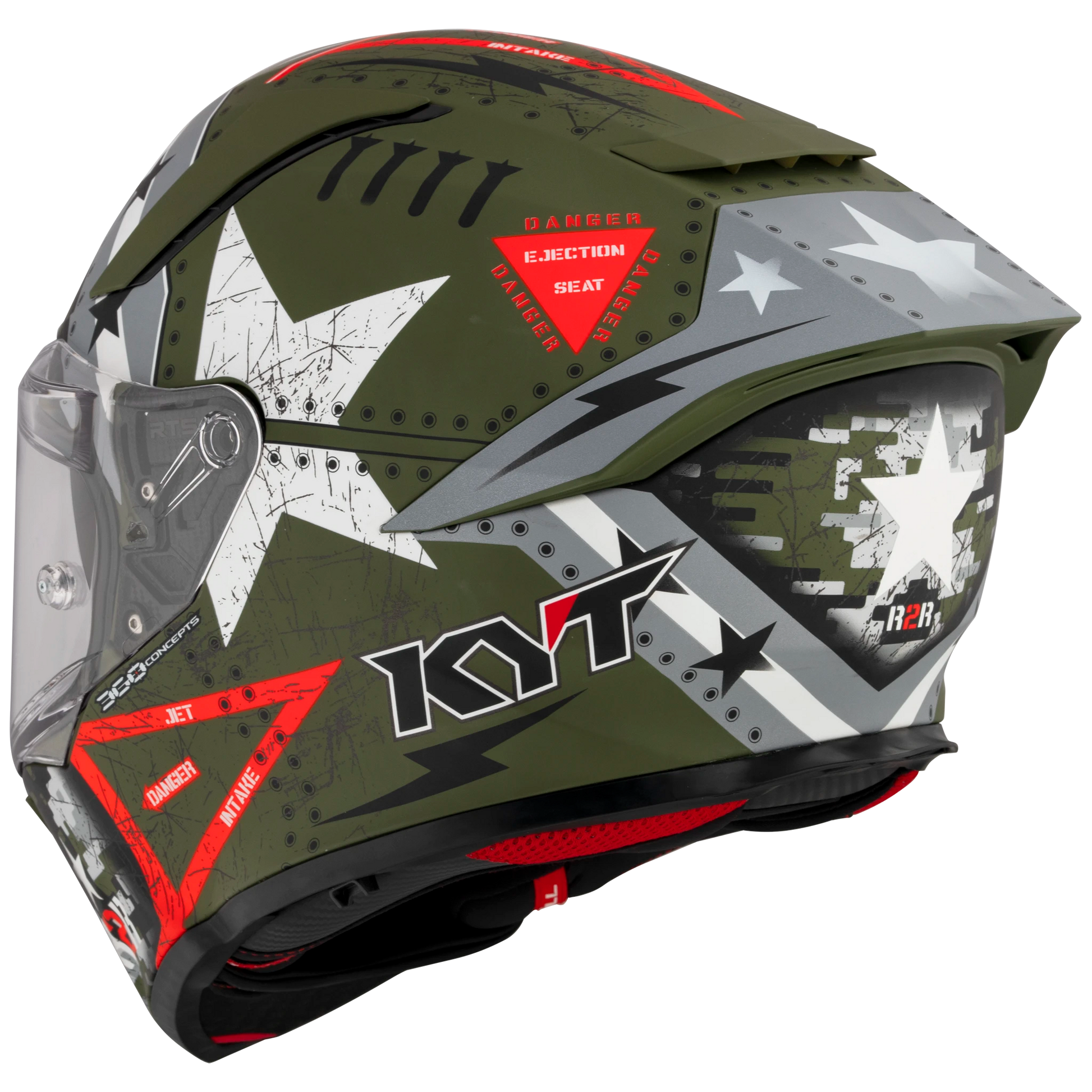
Choosing a KYT helmet for 2026 requires balancing safety, comfort, and budget. The market offers distinct tiers, each with specific advantages and compromises. Understanding these tradeoffs helps you avoid overpaying for features you won’t use or underinvesting in critical safety tech.
The following comparison breaks down the primary factors to evaluate across KYT’s main 2026 lineup categories: entry-level, mid-range, and premium racing models.
| Feature | Entry-Level | Mid-Range | Premium |
|---|---|---|---|
| Shell Material | ABS Plastic | Fiberglass Composite | Carbon Fiber |
| Visor Mechanism | Standard Pinlock | Quick-Release Pinlock | Tool-Free Magnetic |
| Ventilation | Basic Front/Top | Adjustable Chin/Top | Multi-Directional Active |
| Safety Certs | DOT / ECE 22.06 | SNELL + ECE 22.06 | FIM HPPA + SNELL |
| Weight | 1,400–1,500g | 1,200–1,350g | <1,100g |
| Price Range | $150–$250 | $300–$500 | $600–$900 |
Entry-level models prioritize affordability and basic compliance. They are suitable for casual riders or those testing the waters of track days. However, the ABS shell adds weight, and ventilation is often limited, leading to fogging in humid conditions.
Mid-range options introduce lighter composites and better airflow. The quick-release visor mechanism is a significant quality-of-life upgrade, allowing faster adjustments during rides. These helmets often carry SNELL certification, offering peace of mind for spirited street riding.
Premium racing shells use carbon fiber to minimize weight and inertia. The tool-free visor changes and active ventilation systems are designed for high-speed stability. While expensive, they offer the best protection and comfort for extended track sessions. Choose based on your actual riding frequency, not just aspiration.
Choose the next step
The KYT Revolution works best as a clear sequence: define the constraint, compare the realistic options, test the tradeoff, and choose the path with the fewest hidden costs. That order keeps the advice usable instead of decorative. After each step, pause long enough to check whether the recommendation still fits the reader's actual situation. If it depends on perfect timing, unusual access, or a best-case budget, include a simpler fallback.
Avoid the weak options
Use this section to make the The KYT Revolution decision easier to compare in real life, not just on paper. Start with the reader's actual constraint, then separate must-have requirements from details that are merely nice to have. A practical choice should survive normal use, maintenance, timing, and budget. If a recommendation only works in an ideal situation, call that out plainly and give the reader a fallback path.
The simplest way to use this section is to write down the must-have criteria first, then compare each option against those criteria before weighing nice-to-have features.
Kyt graph 2026: what to check next
Real-time transaction monitoring is moving from a nice-to-have to a regulatory requirement in 2026. As fraud vectors evolve, understanding how KYT (Know Your Transaction) graph analysis works is essential for protecting capital. Below are the most common practical questions about how these systems prevent fraud and ensure compliance.
No comments yet. Be the first to share your thoughts!