
The 2026 kyt limits to account for
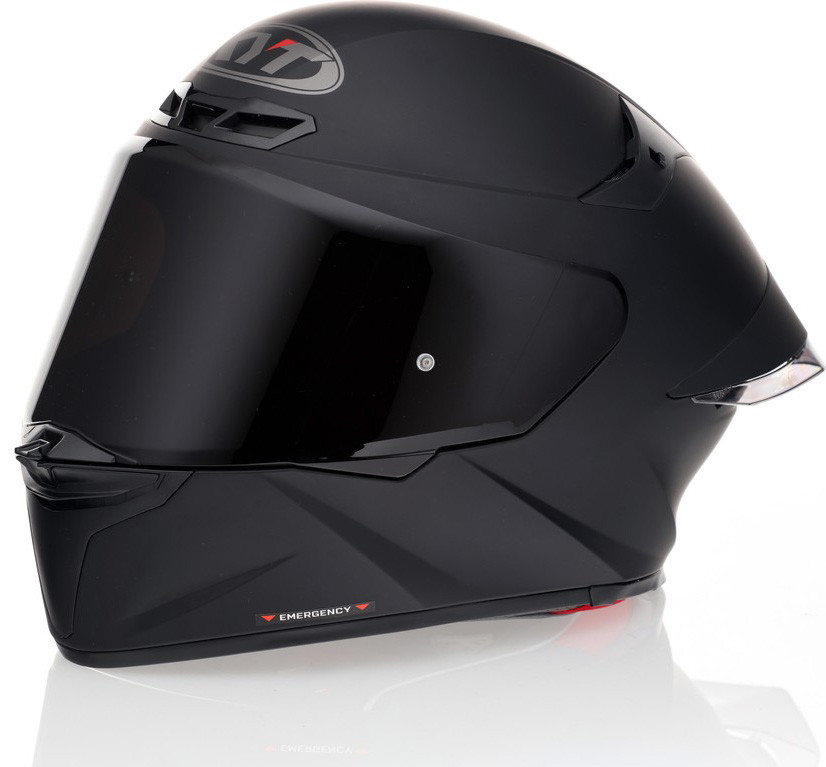
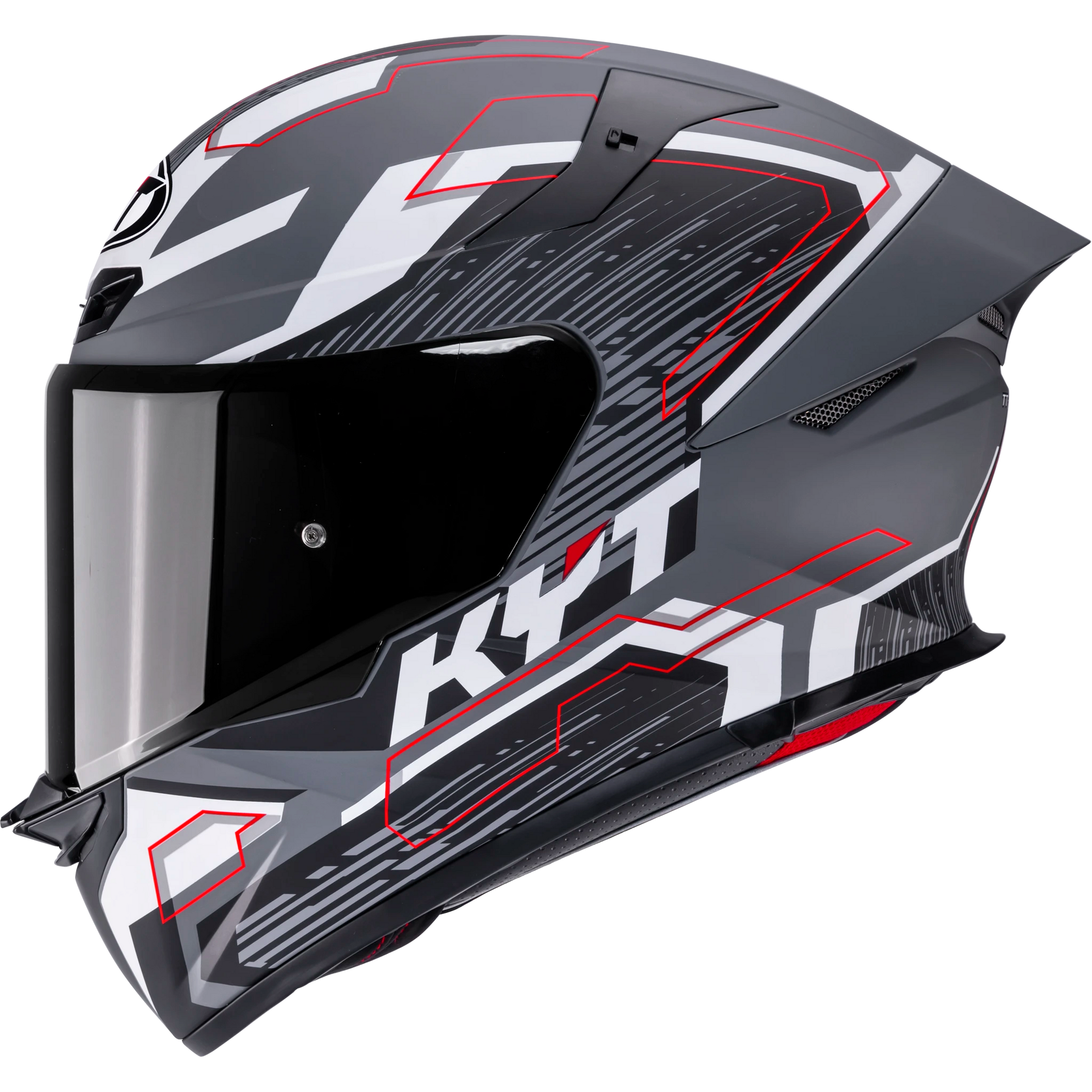
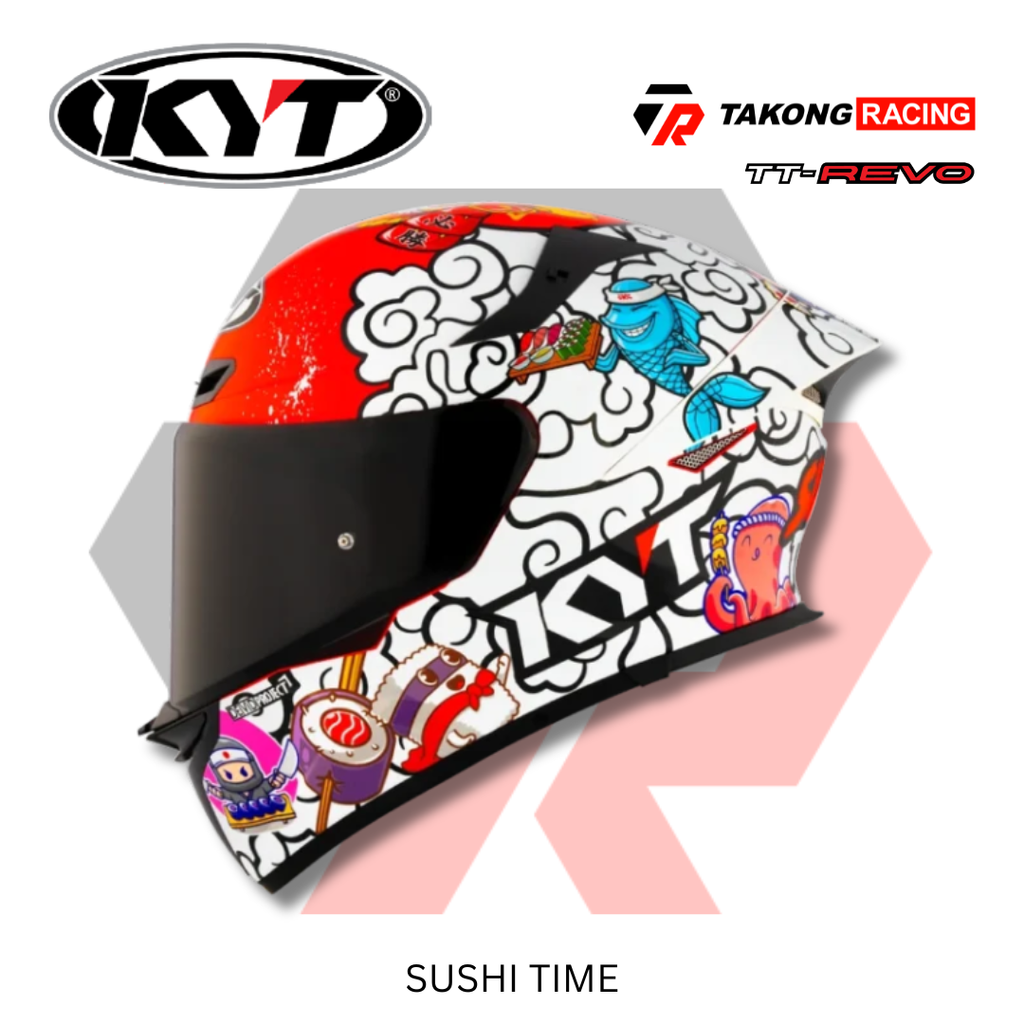
The term "KYT 2026" in the current search landscape is heavily dominated by the Italian motorcycle helmet brand, KYT Europe. If you are searching for compliance solutions, this intersection of keywords creates significant noise. The brand is known for its "Podium" series and high-ventilation designs used in professional racing, not blockchain monitoring.
This ambiguity forces a clear choice. Are you looking for the regulatory technology that tracks crypto transactions in real-time, or are you sourcing protective gear for track days? The former requires integration with blockchain analytics like TRM Labs or Chainalysis. The latter requires checking ECE 22.06 certifications and fitment.
To stay on the right track, verify the context of your search immediately. If your goal is compliance, ignore the helmet results and focus on AML (Anti-Money Laundering) tools. If you are a rider, the KYT 2026 reference likely points to their latest collection of full-face helmets designed for speed and safety.
| Category | Primary Focus | Key Players |
|---|---|---|
| Compliance | Real-time transaction monitoring | TRM Labs, Chainalysis |
| Motorcycle Gear | Protective racing helmets | KYT Europe, Shoei, Arai |
Kyt 2026 choices that change the plan
Selecting a KYT 2026 helmet requires balancing protection, comfort, and budget. The 2026 lineup introduces new materials and ventilation patterns, but these upgrades come with specific compromises. You must decide which features align with your riding style before purchasing.
Shell Material and Weight
The 2026 collection splits between polycarbonate and carbon fiber shells. Polycarbonate models offer impact resistance at a lower price point but add roughly 500 grams of weight. Carbon fiber shells reduce fatigue on long rides but cost significantly more. For track days, the weight savings justify the cost. For street commuting, the extra weight is negligible compared to the savings.
Ventilation and Noise
New 2026 vent channels improve airflow but can increase wind noise at highway speeds. Models with aggressive aero wings, like the KX-1 replica, may feel louder in crosswinds. If you ride primarily in traffic, prioritize models with adjustable chin vents over large top intakes. Noise reduction directly impacts fatigue levels over hours of riding.
Safety Certifications
All 2026 KYT helmets meet ECE 22.06 or Snell standards, but testing protocols differ. ECE 22.06 offers broader impact coverage, while Snell often demands higher peak impact thresholds. Verify the specific certification sticker inside the helmet. Some entry-level 2026 models may only carry ECE certification, which is sufficient for most riders but lacks the Snell badge.
Price and Availability
2026 models are launching in waves, causing initial stock shortages for popular sizes. Polycarbonate options remain widely available, while carbon fiber variants may ship in 6-8 weeks. Prices have risen slightly due to new safety components. Compare the total cost, including shipping, across authorized dealers to avoid counterfeit risks.
| Feature | Polycarbonate | Carbon Fiber | Tradeoff |
|---|---|---|---|
| Weight | ~1,500g | ~1,200g | Carbon saves weight but costs 2x more. |
| Impact Resistance | High | Very High | Both meet safety standards; carbon is lighter. |
| Ventilation | Standard | Enhanced | Enhanced vents may increase wind noise. |
| Price Range | $100-$150 | $300-$450 | Significant budget difference for marginal gains. |
How to Choose the Right Real-Time Transaction Monitoring Solution
Selecting a KYT platform requires matching technical capabilities to your specific compliance footprint. The 2026 landscape favors providers that offer granular, block-level visibility rather than broad, summary-level alerts. Use this framework to evaluate vendors against four critical operational pillars.
Ensure the provider supports not just major chains like Bitcoin and Ethereum, but also high-volume Layer 2s and privacy-enhancing networks. Depth matters: verify they track transaction flows across multiple hops, not just the initial sender and receiver. Shallow coverage creates blind spots where illicit funds can hide after a single swap.
Real-time means sub-second detection for high-risk flows. Evaluate how the system distinguishes between a suspicious pattern and a false positive. High precision prevents alert fatigue, allowing your compliance team to focus on genuine threats. Look for providers that offer customizable thresholds rather than rigid, one-size-fits-all rules.
The best KYT tools don't just flag transactions; they prepare the data for submission. Verify that the platform can automatically generate SARs (Suspicious Activity Reports) or other required filings in formats accepted by your local regulator. This integration turns raw data into actionable compliance evidence.
Your trading or exchange infrastructure cannot afford downtime. Demand SLAs (Service Level Agreements) that guarantee uptime during peak market volatility. Additionally, assess the vendor's technical support responsiveness. When a critical alert goes off at 3 AM, you need immediate access to engineering expertise, not just a ticketing system.

As an Amazon Associate, we may earn from qualifying purchases.
Watch out for misleading KYT claims
Not every vendor advertising "real-time" monitoring actually delivers. Some platforms rely on batch processing that lags behind the blockchain, leaving you exposed to transactions that have already settled. Others use vague definitions of "compliance" that ignore the specific regulatory requirements of your jurisdiction.
Batch processing disguised as real-time
Many tools claim instant analysis but actually update risk scores only every few minutes or hours. This delay is critical. If a scammer moves funds across ten exchanges in thirty seconds, a batch-updated system will only flag the final destination, missing the intricate trail. You need true streaming analysis, not periodic snapshots.
Vague compliance definitions
Some providers market their KYT as "globally compliant." This is often marketing fluff. Regulations like the EU’s MiCA or the US’s Travel Rule require specific data points and reporting standards. A tool that doesn’t explicitly support the exact regulatory framework you operate under is useless, no matter how sophisticated its underlying graph database is.
Ignoring false positives
A common mistake is choosing a KYT provider with an extremely high sensitivity threshold. While this might catch more bad actors, it also flags legitimate transactions as suspicious. This creates a backlog of manual reviews that slows down your business. Look for platforms that offer customizable risk thresholds and clear explanations for why a transaction was flagged.
Lack of transparency
Be wary of black-box solutions that don’t explain their risk scoring logic. If you can’t understand why a wallet was flagged, you can’t effectively dispute it or explain the decision to regulators. Choose providers that offer transparent scoring models and detailed audit trails for every flagged transaction.
Kyt 2026: what to check next
The term "KYT" in the crypto compliance space refers to Know Your Transaction, a real-time monitoring technology designed to track fund flows and mitigate risks associated with illicit activities. This is distinct from the KYT brand of motorcycle helmets, which appears frequently in search results due to the acronym overlap. If you are evaluating compliance tools for 2026, you are looking for transaction screening software, not protective gear.
How does real-time KYT differ from standard AML checks?
Traditional Anti-Money Laundering (AML) checks often rely on batch processing, meaning transactions are reviewed after they settle. Real-time KYT analyzes transactions as they happen, allowing exchanges and wallets to block suspicious transfers before they are confirmed. This proactive approach is critical in 2026, where regulatory bodies demand immediate visibility into fund sources and destinations to prevent layering and integration of illicit funds.
What are the primary risks KYT monitoring addresses in 2026?
KYT systems primarily target risks associated with darknet markets, ransomware payments, and sanctioned entities. By tagging addresses linked to these high-risk sources, compliance teams can freeze or flag assets instantly. In 2026, the scope has expanded to include cross-chain bridges and decentralized finance (DeFi) protocols, ensuring that illicit funds cannot easily hide across different blockchain networks.
Is KYT compliance mandatory for all crypto businesses?
Regulatory requirements vary by jurisdiction, but major frameworks like the EU’s MiCA and FATF Travel Rule guidelines increasingly mandate transaction monitoring for Virtual Asset Service Providers (VASPs). While not every small-scale wallet provider may be subject to the same strictures as centralized exchanges, adopting KYT is becoming a standard industry practice to maintain banking relationships and avoid regulatory penalties.
How accurate are modern KYT screening tools?
Modern KYT tools use machine learning to reduce false positives, which were a common issue in earlier versions. By analyzing behavioral patterns and historical data, these systems can distinguish between legitimate high-volume trading and suspicious activity with greater precision. However, no tool is 100% accurate; human review remains essential for complex cases involving mixed funds or obscure DeFi interactions.
No comments yet. Be the first to share your thoughts!