
Kyt graph analytics choices that change the plan
Use this section to make the KYC vs. KYT decision easier to compare in real life, not just on paper. Start with the reader's actual constraint, then separate must-have requirements from details that are merely nice to have. A practical choice should survive normal use, maintenance, timing, and budget. If a recommendation only works in an ideal situation, call that out plainly and give the reader a fallback path.
| Factor | What to check | Why it matters |
|---|---|---|
| Fit | Match the option to the primary use case. | A good deal still fails if it does not fit the job. |
| Condition | Verify age, wear, and service history. | Hidden condition issues erase upfront savings. |
| Cost | Compare purchase price with likely upkeep. | The cheapest option is not always the lowest-cost option. |
Where each option wins
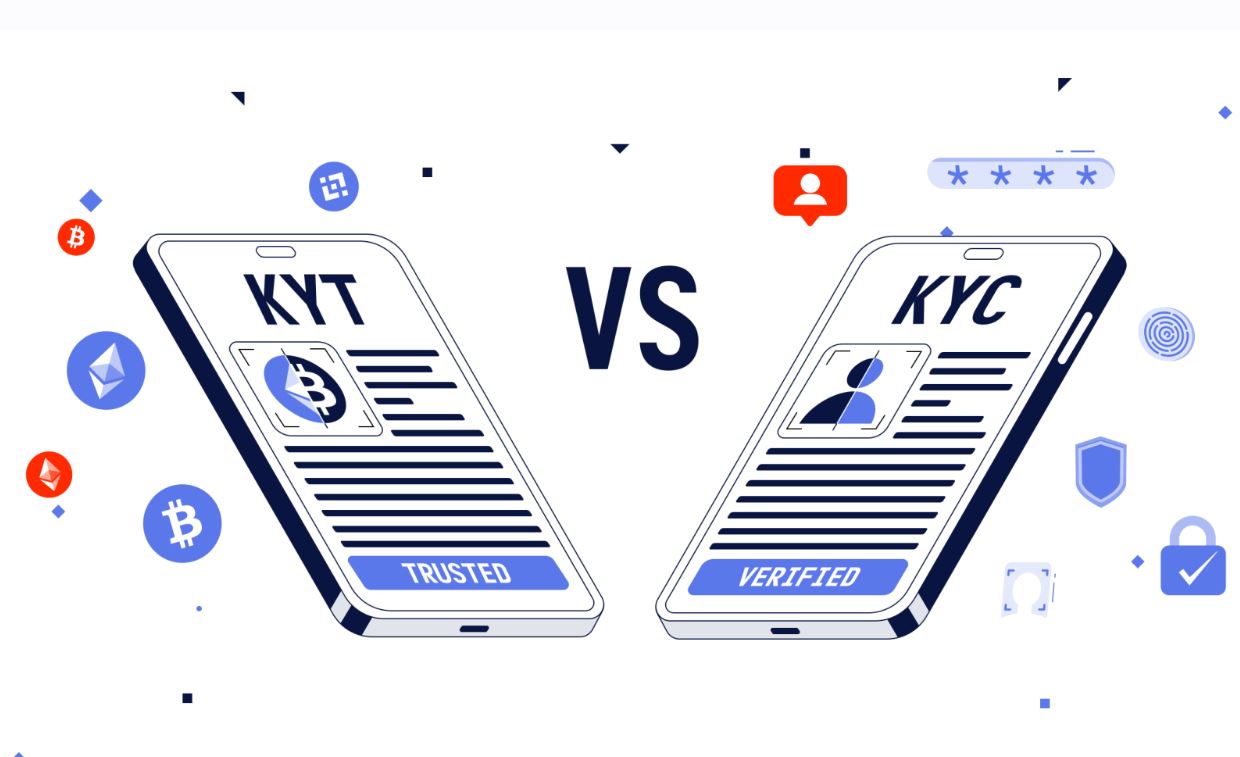
KYC and KYT serve different stages of the compliance lifecycle. Think of KYC as the security guard at the entrance checking IDs, while KYT is the security camera system watching movement inside the building. Using one without the other leaves gaps in your risk management.
KYC wins at onboarding
KYC is the correct choice when you need to verify the identity of a user before they interact with your platform. This is a static, point-in-time check that satisfies regulatory requirements for customer due diligence.
Use KYC for:
- Account creation: Verifying government IDs and biometric data to prevent identity theft.
- Sanctions screening: Checking names against global watchlists like OFAC to ensure you are not doing business with prohibited entities.
- Regulatory compliance: Meeting the legal obligations of the "Know Your Customer" framework required by most financial authorities.
KYT wins at transaction monitoring
KYT is the correct choice when you need to assess the risk of specific crypto transactions in real time. It analyzes the blockchain ledger to determine if funds are coming from or going to high-risk addresses.
Use KYT for:
- Real-time risk scoring: Automatically flagging transactions that involve darknet markets, ransomware wallets, or mixers before they settle.
- Source of funds verification: Tracing the origin of assets to ensure they are not linked to illicit activities, even if the user passed initial KYC.
- Continuous monitoring: Detecting suspicious patterns or anomalies in transaction behavior that change over time, rather than relying on a one-time identity check.
The decision framework
If your primary concern is legal identity verification and preventing anonymous access, KYC is your foundation. If your primary concern is stopping illicit funds from moving through your platform, KYT is your operational shield. Most mature compliance programs implement both: KYC to know who you are dealing with, and KYT to know what they are doing.
Details Worth Checking
Before integrating Know Your Transaction (KYT) solutions, teams must verify how graph analytics handles edge cases. While real-time risk scoring is powerful, it is not infallible. The following checks prevent costly false positives and compliance gaps.
KYT tools flag transactions based on risk scores. If thresholds are too low, legitimate users face friction. Confirm the default risk cutoff and ensure it aligns with your platform’s risk appetite. High-friction thresholds can drive away users without stopping actual bad actors.
Graph analytics can misattribute risk to innocent addresses linked to high-risk entities. Review the vendor’s false positive rate for your specific use case. A tool that blocks 20% of transactions to catch 5% of fraud may not be viable for a consumer-facing exchange.
Blockchain data is immutable, but threat intelligence is not. Verify how quickly the KYT provider updates its address labels. If a mixer or darknet market is flagged days after a hack, your transaction monitoring will miss the initial outflow. Real-time compliance requires near-instant data refreshes.
KYT generates vast amounts of transaction metadata. Ensure the provider’s data retention policy complies with GDPR and other privacy laws. Some vendors retain raw transaction data indefinitely; others anonymize it. This distinction matters for legal audits and user privacy claims.

KYT is only as good as its uptime. During high-volume periods or market crashes, APIs may throttle or fail. Test the vendor’s Service Level Agreement (SLA) and failover mechanisms. A downtime event during a volatility spike can leave your platform exposed to regulatory scrutiny.
Kyt graph analytics: what to check next
Understanding how Know Your Transaction (KYT) differs from traditional identity checks is essential for real-time compliance. Graph analytics allows platforms to trace fund flows across complex networks, identifying risks that static identity verification misses. Below are the most common practical questions about these processes.
No comments yet. Be the first to share your thoughts!