
Kyt graph limits to account for
Choosing a KYT (Know Your Transaction) solution requires balancing coverage, latency, and cost. The "graph" aspect refers to how deeply the tool traces fund flows across multiple hops and chains. A superficial check might flag a direct interaction with a mixer, but a robust graph analysis traces the funds through intermediaries to identify the ultimate source or destination.
Start with your primary constraint: is it regulatory compliance (e.g., FATF Travel Rule), fraud prevention, or internal risk management? Separate must-have requirements from nice-to-haves. A practical choice should survive normal use, maintenance, and budget constraints. If a recommendation only works in an ideal situation, call that out plainly and give the reader a fallback path.
Kyt graph choices that change the plan
Different KYT providers offer varying depths of graph analysis. Some focus on high-level risk scores, while others provide detailed transaction mapping. This section helps you compare options based on real-world performance, not just marketing claims.
| Factor | What to check | Why it matters |
|---|---|---|
| Coverage | Does it support all chains and assets you use? | |
| Depth | How many hops does the graph trace? | |
| Latency | How fast is the risk assessment? |
Choose the next step
Implementing KYT works best as a clear sequence: define the constraint, compare the realistic options, test the tradeoff, and choose the path with the fewest hidden costs. That order keeps the advice usable instead of decorative.
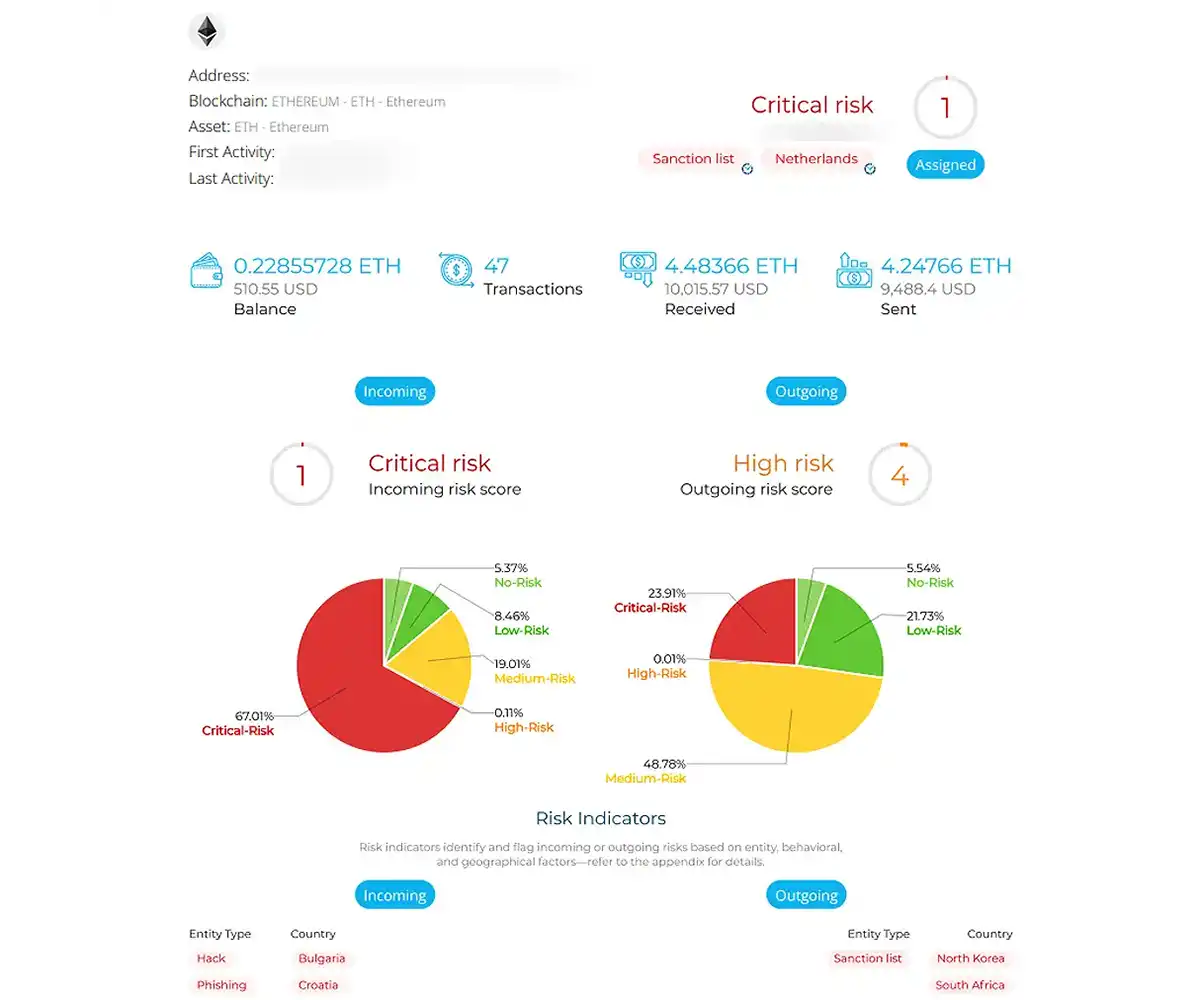

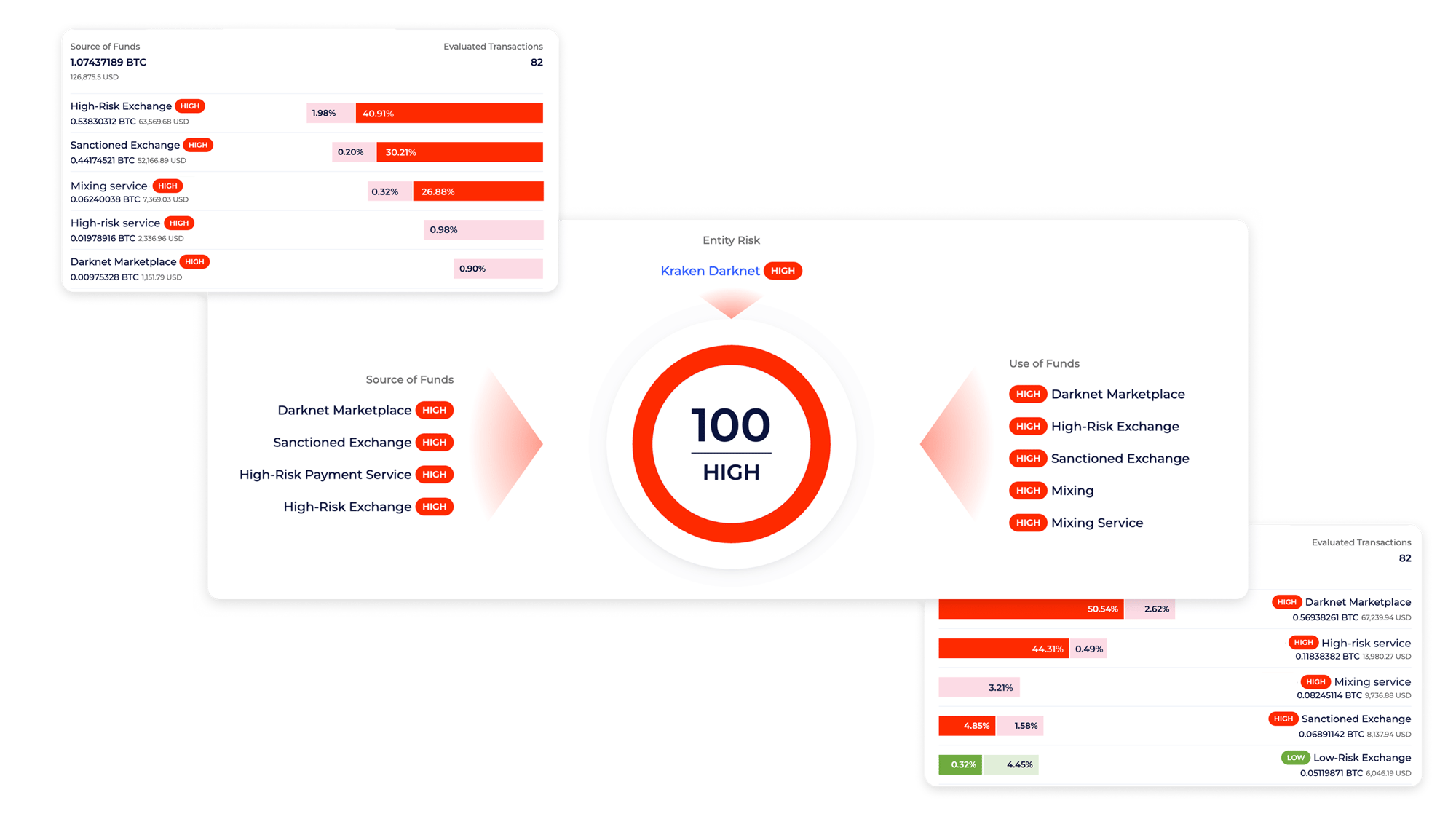
Watch for Weak KYT Options
Many vendors market generic "real-time monitoring" without proving it handles complex DeFi flows or mixers. A tool that only traces simple ERC-20 transfers misses the $50 billion fraud risk hiding in cross-chain bridges.
Check if the solution offers granular risk scoring. Basic KYT tools flag obvious red flags but miss subtle layering techniques. Look for providers integrating with Chainalysis or Elliptic APIs for deeper analytics. Without this depth, your compliance team is flying blind.
Avoid platforms that lack continuous transaction history. One-time checks don't prevent future fraud. Ensure the system updates risk profiles dynamically as new threats emerge. Static reports are useless against evolving crypto scams.
Finally, verify regulatory alignment. Not all KYT tools meet FATF Travel Rule standards. Choose solutions that explicitly support AML/CTF compliance frameworks. Weak options save money now but cost millions in fines later.
No comments yet. Be the first to share your thoughts!