
Why KYT Graph Analytics Matter in 2026
The regulatory landscape for digital assets has shifted from reactive monitoring to proactive threat detection. In 2026, static address blacklisting is no longer sufficient to satisfy compliance requirements. Regulators, including those enforcing the EU’s MiCA framework and US FinCEN guidance, now expect institutions to demonstrate real-time visibility into complex transaction networks. This shift demands Knowledge Graph technology, which maps relationships between entities rather than just flagging isolated addresses.
Cross-chain complexity has turned simple transfers into opaque risk vectors. A single illicit fund can traverse five different blockchains through a series of atomic swaps and bridge transactions within minutes. Traditional rule-based systems fail to trace these paths because they lack context. Graph analytics reconstructs these journeys by analyzing the structural relationships between wallets, exchanges, and smart contracts, revealing the origin and destination of funds regardless of the chain used.
Consider a scenario where a sanctioned entity uses a decentralized exchange to swap Ethereum for USDC on Polygon, then bridges the assets to Arbitrum. A blacklist-only approach might miss this entirely if the final address is clean. Graph analytics identifies the pattern: the temporal proximity, the asset type, and the bridge mechanism link the transaction back to the initial risk. This level of detail is essential for preventing regulatory penalties and protecting institutional reputation.
The urgency is driven by the increasing sophistication of bad actors. As regulatory pressure mounts, criminals are adopting more complex obfuscation techniques, such as chain-hopping and time-delayed transactions. Graph analytics provides the necessary depth to unravel these schemes, offering a comprehensive view of the entire transaction lifecycle. This capability is not just a technical advantage; it is a compliance necessity for any institution operating in the 2026 digital asset economy.
Mapping cross-chain transaction risks
Cross-chain bridges act as the connective tissue of Web3, but they also serve as the primary vector for obfuscating illicit fund flows. Traditional compliance tools often treat each blockchain as an isolated silo, creating blind spots where sanctioned entities can hide assets as they hop between networks. By leveraging graph structures, compliance teams can visualize these fund flows in real-time, identifying hidden links that span disparate ledgers.
A graph database maps every transaction as a node and every transfer as an edge. When a transaction crosses a bridge, the graph preserves the provenance of the funds, allowing analysts to trace the origin of assets even after they have been wrapped, swapped, or bridged. This continuity is critical for detecting layering techniques designed to evade sanctions. Without this cross-chain visibility, a single illicit transfer can appear as a harmless, isolated event.
The following table compares the detection capabilities of traditional KYC checks against KYT graph analytics when facing cross-chain obfuscation. The data highlights the limitations of static identity verification in a dynamic, multi-chain environment.
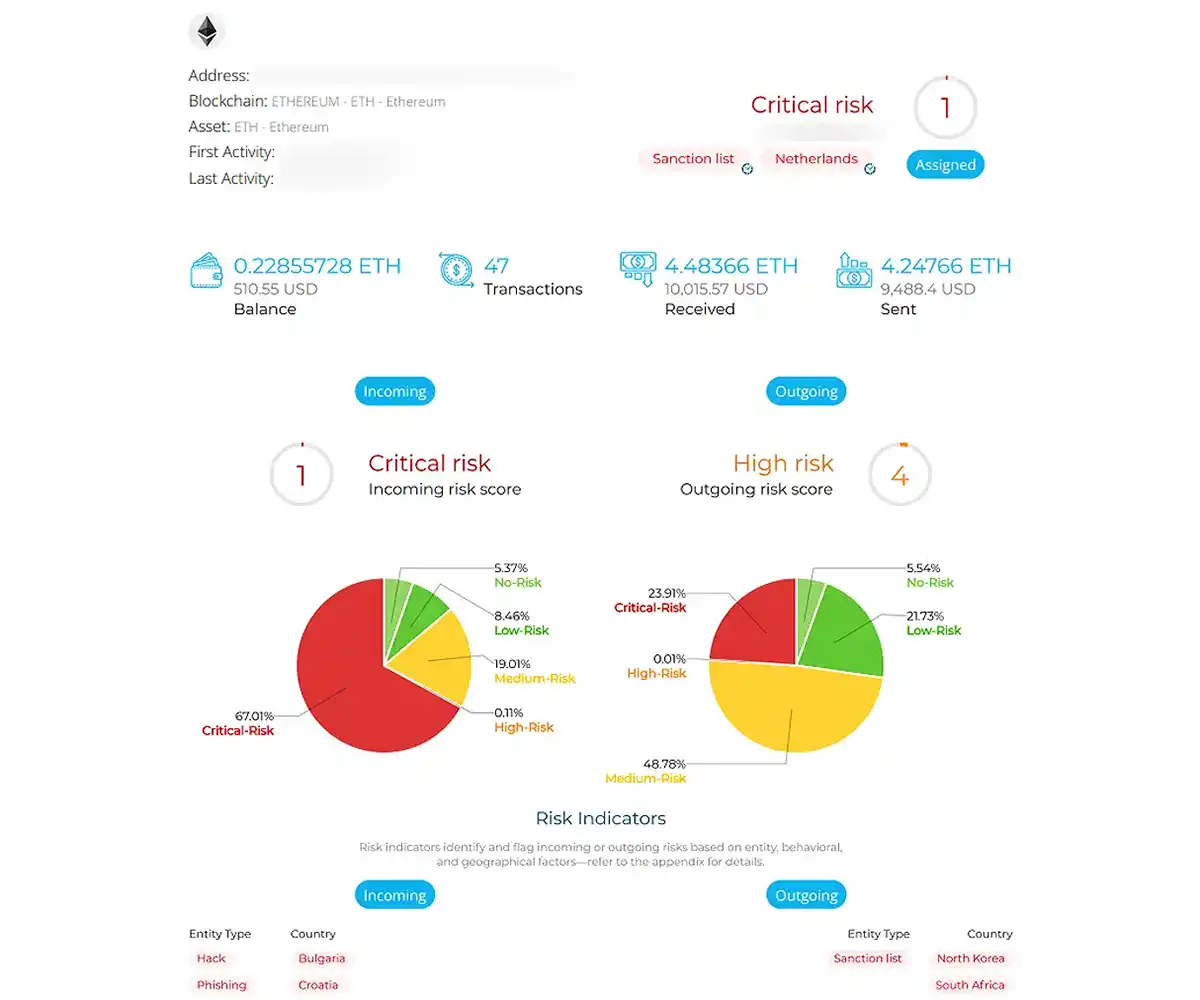
| Feature | Traditional KYC | KYT Graph Analytics | Cross-Chain Risk |
|---|---|---|---|
| Identity Verification | Static profile match | Dynamic behavior analysis | Low |
| Fund Tracing | Single-chain only | Multi-chain provenance | High |
| Sanction Detection | List-based blocking | Pattern recognition | Medium |
| Obfuscation Handling | Blind to bridges | Bridge-aware mapping | Critical |
Real-Time Monitoring for Sanctions Compliance
Real-time monitoring for sanctions compliance requires shifting from retrospective auditing to pre-settlement intervention. In a cross-chain environment, funds can move through multiple protocols and bridges in seconds, outpacing traditional batch-processing systems. To adhere to OFAC and EU regulations, compliance engines must evaluate transaction intent and counterparty risk before the block is finalized.
This approach relies on graph traversal algorithms that map wallet interactions in real time. Instead of checking a static blacklist, the system analyzes the graph structure to identify links between a source address and sanctioned entities. If a transaction traverses a "mixer" or a bridge known for facilitating illicit flows, the system flags the risk immediately. This prevents the settlement of transactions that would otherwise violate regulatory frameworks, reducing legal exposure for exchanges and service providers.
1. Pre-Settlement Risk Scoring
The first step is integrating risk scoring into the transaction mempool or pending state. Before a transaction is included in a block, the compliance engine queries the graph database to calculate a risk score based on the sender’s history and the counterparty’s profile. This score incorporates factors such as proximity to sanctioned addresses, interaction with high-risk protocols, and clustering patterns. If the score exceeds a predefined threshold, the transaction is flagged for review or blocked entirely. This step ensures that only compliant transactions proceed to settlement, aligning with the strict timelines of modern blockchain networks.
2. Cross-Chain Bridge Traversal
Cross-chain bridges are critical chokepoints where sanctions evasion often occurs. A transaction originating on Ethereum might be wrapped and moved to Solana via a bridge, obscuring its origin. Real-time monitoring must trace this path across chains using shared identifiers or atomic swap records. The system must recognize when a bridge is used to "clean" illicit funds by moving them through a less regulated chain. By mapping these cross-chain links, compliance teams can identify the original source of funds and apply sanctions consistently, regardless of the final destination chain. This requires a unified graph that connects disparate blockchain networks into a single entity resolution layer.
3. Dynamic Entity Resolution
Sanctioned entities do not remain static; they rotate addresses and use new wallets frequently. Dynamic entity resolution uses graph clustering to group addresses that likely belong to the same operator. If one address in a cluster is sanctioned, all addresses in that cluster are flagged. This is particularly important for decentralized exchanges (DEXs) and non-custodial wallets, where there is no central authority to enforce bans. By identifying these clusters in real time, the system can block interactions with sanctioned entities even if they use fresh addresses. This proactive approach reduces the burden on compliance teams to manually update blacklists and ensures continuous adherence to regulatory requirements.
4. Automated Reporting and Audit Trails
Finally, the system must generate immutable audit trails for every flagged transaction. These records must include the full graph path, the risk score, and the decision made (block, review, or approve). This documentation is essential for regulatory examinations and legal defense. The audit trail should be structured to allow quick retrieval of evidence in case of an inquiry from OFAC or EU authorities. By automating this process, organizations can demonstrate compliance efficiently and reduce the risk of penalties associated with manual errors or incomplete records.
Implementing KYT Graph Solutions in 2026
Integrating graph analytics into existing Anti-Money Laundering (AML) workflows requires a shift from transactional monitoring to network-based risk assessment. Compliance teams must map entity relationships across multiple blockchains to identify complex laundering structures that traditional rule-based systems miss. This approach allows for the detection of layering techniques, such as rapid cross-chain swaps designed to obscure fund origins.
The implementation process begins with data ingestion from diverse blockchain explorers and wallet providers. Graph databases then construct a real-time view of fund flows, linking addresses to known illicit entities. By visualizing these connections, analysts can spot suspicious patterns, like a cluster of new wallets receiving funds from a single mixers before dispersing them across several chains. This visibility is critical for meeting evolving regulatory expectations regarding beneficial ownership and source of funds.
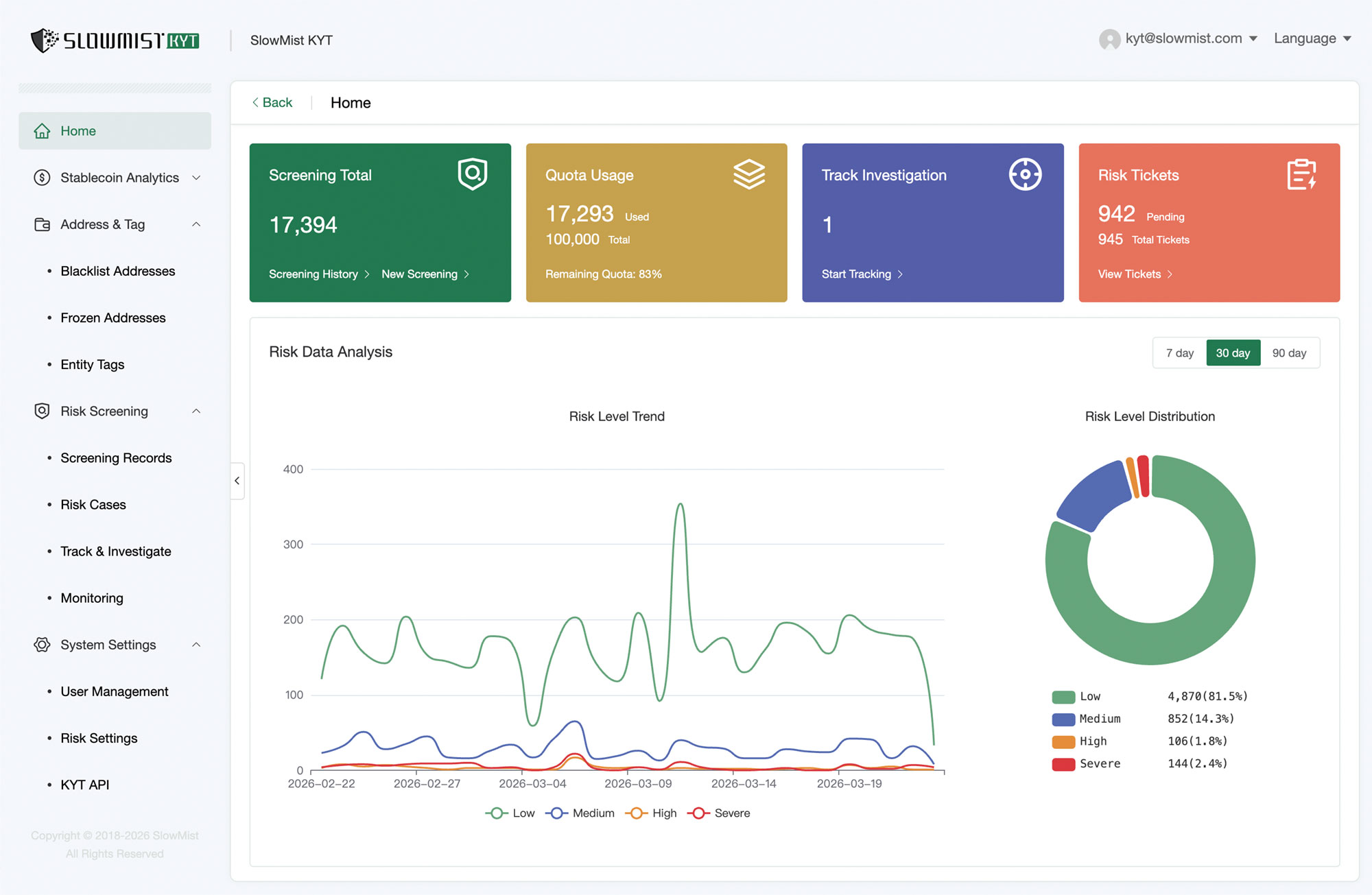
To ensure minimal disruption to user experience, integration should be non-blocking for low-risk transactions. KYT Graph solutions typically employ tiered risk scoring, where only high-risk interactions trigger enhanced due diligence. This balance prevents false positives from slowing down legitimate operations while maintaining strict compliance standards. The following image illustrates a professional AML engine interface designed for such institutional-grade monitoring.
Monitoring Cross-Chain Asset Flows
Real-time monitoring of asset movements is essential for identifying cross-chain risks. Graph analytics enable compliance teams to trace assets as they move between different blockchain networks, such as Ethereum to Solana or Polygon. This capability is vital for detecting bridge exploits or unauthorized transfers that exploit interoperability protocols.
By integrating live price data, compliance systems can also assess the financial impact of suspicious activities. Monitoring the value of assets in motion helps prioritize alerts based on potential financial loss and regulatory severity.
No comments yet. Be the first to share your thoughts!