
The 2026 Compliance Landscape
By 2026, the financial regulatory environment has shifted from periodic audits to continuous, real-time scrutiny. KYT Graph 2026 is no longer a speculative future state but the operational baseline for institutions managing cross-border flows. The primary driver is the tightening of global sanctions, which has rendered traditional batch-processing compliance methods obsolete. Regulators now expect financial entities to identify and block illicit transactions as they happen, rather than days after settlement.
This transition demands a fundamental change in infrastructure. Legacy systems that rely on static rule sets and delayed reporting create dangerous blind spots. In this high-stakes environment, graph analytics provides the necessary connectivity to trace funds across complex, multi-layered networks. The ability to visualize relationships between entities in real time allows compliance teams to detect subtle patterns of structuring, layering, and integration that isolated transaction data obscures.
The pressure to adopt real-time graph-based KYT solutions is not merely competitive; it is a regulatory imperative. Institutions that delay this shift face escalating fines and reputational damage as enforcement agencies prioritize speed and accuracy.
The 2026 landscape is defined by this urgency. Compliance is no longer a back-office function but a critical component of transaction integrity. As sanctions regimes become more fragmented and dynamic, the capacity to adapt instantly to new threats separates resilient institutions from those at risk. The focus has moved beyond simple data aggregation to intelligent, context-aware monitoring that keeps pace with the speed of modern finance.
Real-time monitoring vs traditional KYC
Use this section to make the KYT Graph decision easier to compare in real life, not just on paper. Start with the reader's actual constraint, then separate must-have requirements from details that are merely nice to have. A practical choice should survive normal use, maintenance, timing, and budget. If a recommendation only works in an ideal situation, call that out plainly and give the reader a fallback path.
| Factor | What to check | Why it matters |
|---|---|---|
| Fit | Match the option to the primary use case. | A good deal still fails if it does not fit the job. |
| Condition | Verify age, wear, and service history. | Hidden condition issues erase upfront savings. |
| Cost | Compare purchase price with likely upkeep. | The cheapest option is not always the lowest-cost option. |
Top KYT graph analytics tools for 2026
Selecting the right KYT graph analytics tool requires balancing detection accuracy with operational speed. In 2026, the market favors platforms that integrate real-time streaming with deep graph traversal, allowing compliance teams to spot complex laundering rings before funds move. The following tools represent the current standard for financial institutions and crypto exchanges seeking to meet regulatory demands without sacrificing user experience.
Chainalysis Reactor
Chainalysis Reactor remains the industry benchmark for visualizing transaction flows. Its graph database allows analysts to trace funds across multiple hops, identifying clustering patterns that linear ledgers miss. The platform’s sanctions screening engine updates dynamically, reducing false positives by cross-referencing public blockchain data with private intelligence. For teams needing to prove compliance to auditors, Reactor’s exportable reports provide a clear, immutable trail of every investigative step.
Elliptic
Elliptic distinguishes itself through its focus on institutional-grade risk scoring. Its graph analytics engine processes billions of transactions daily, offering pre-built compliance workflows for AML and sanctions screening. The tool excels in identifying entity-level risk, mapping relationships between wallets, exchanges, and darknet markets. Elliptic’s API-first approach makes it easier to integrate graph-based risk signals directly into customer onboarding and transaction monitoring systems.
TRM Labs
TRM Labs offers a robust graph database optimized for high-volume environments. Its platform provides granular visibility into DeFi protocols and smart contract interactions, which are increasingly used for layering illicit funds. TRM’s graph analytics can detect subtle anomalies in token swaps and bridge transactions that traditional heuristic models often overlook. The platform also includes strong attribution capabilities, helping investigators link on-chain activity to real-world entities with higher confidence.
GraphSense
GraphSense provides an open-source graph database that appeals to organizations prioritizing data sovereignty. While it lacks the polished UI of commercial alternatives, its flexibility allows developers to build custom graph queries tailored to specific laundering typologies. This tool is ideal for teams with strong engineering resources who want to maintain full control over their graph infrastructure and avoid vendor lock-in.

Compliance training and resources
While software tools handle the heavy lifting of detection, human expertise remains critical for interpreting graph data. The following resources can help compliance teams stay updated on the latest graph technology trends and regulatory expectations.

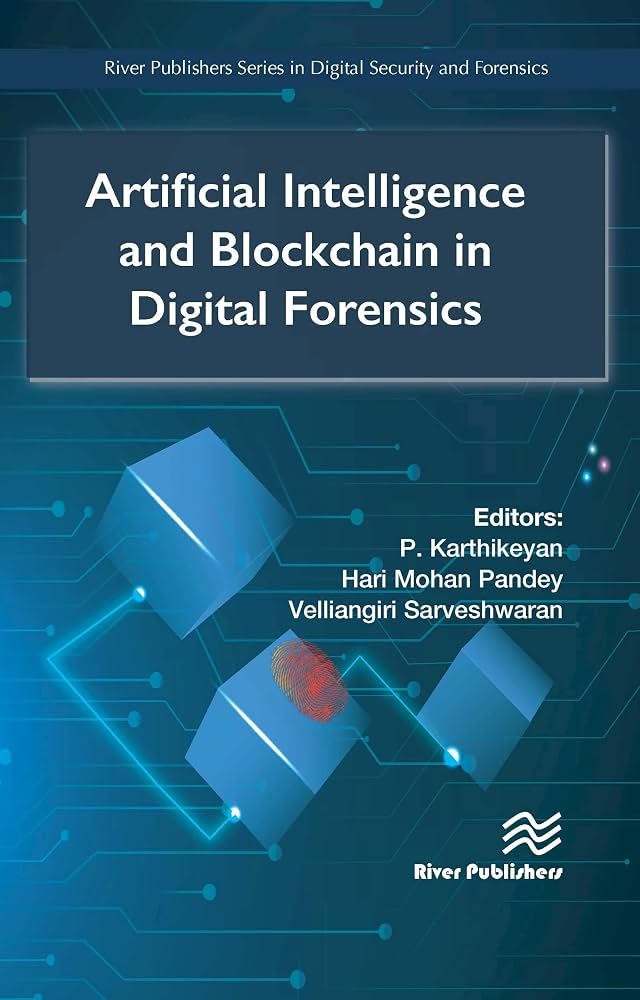

As an Amazon Associate, we may earn from qualifying purchases.
Implementing graph-based AML workflows
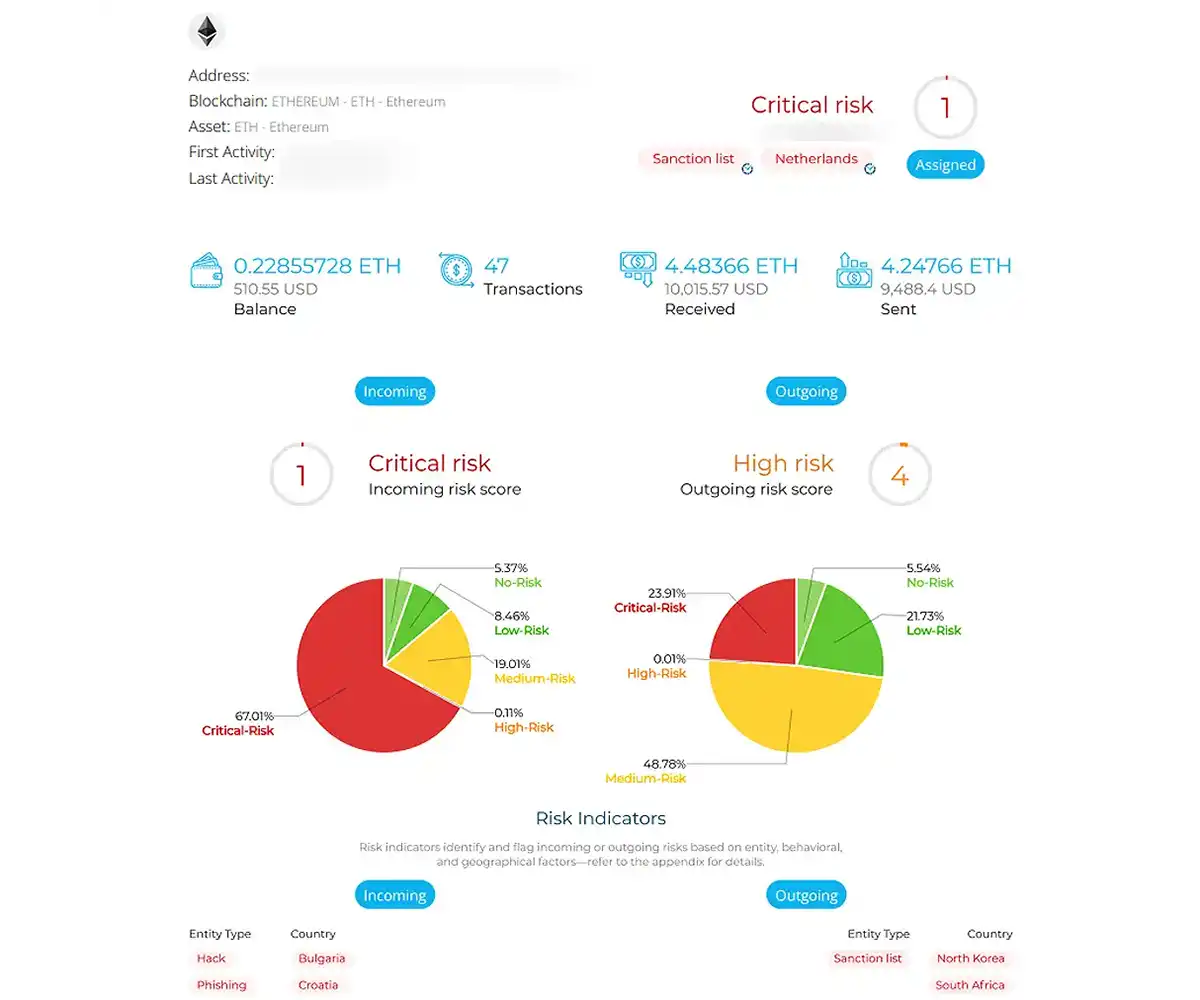
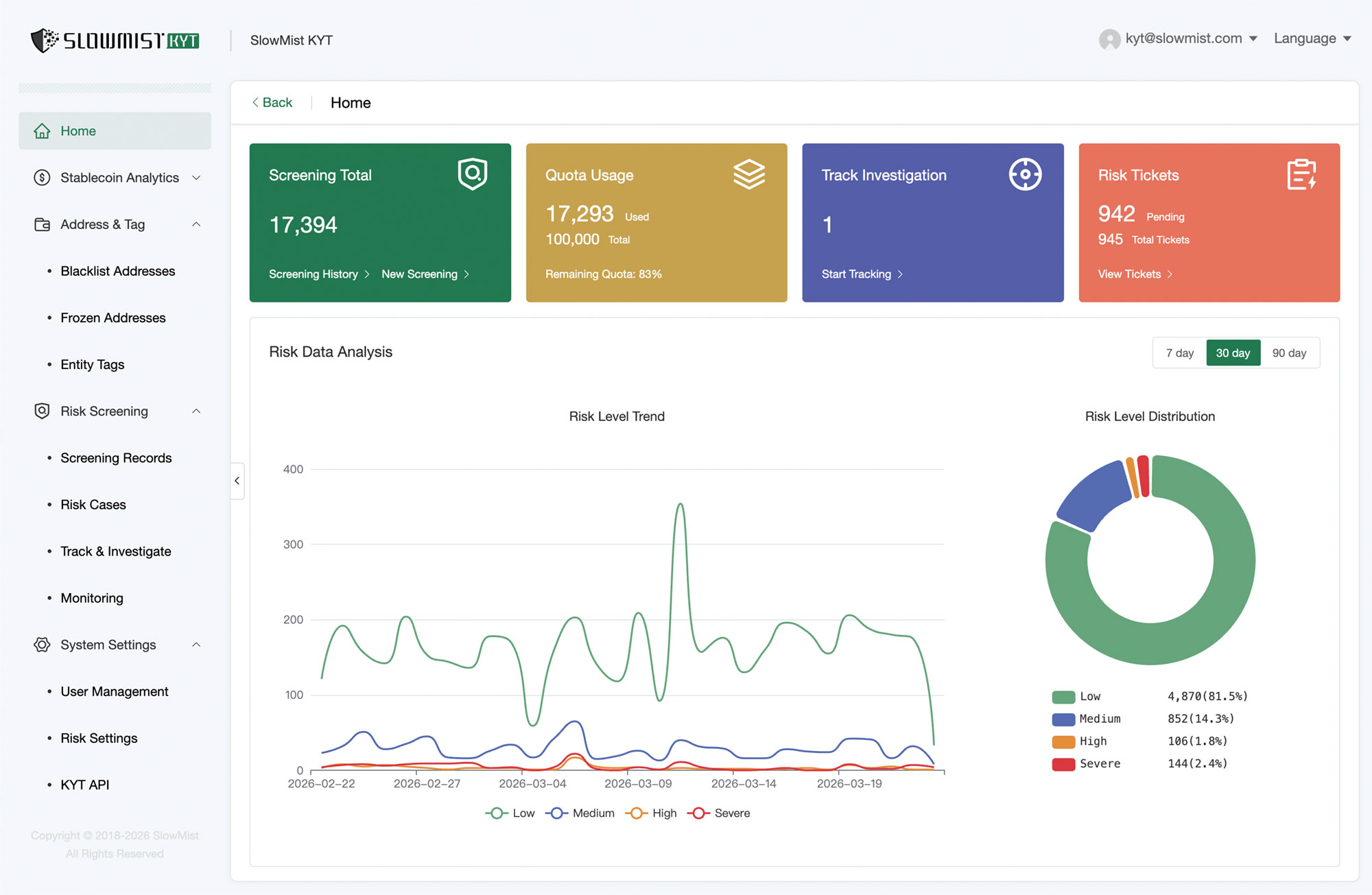
KYT Graph works best as a clear sequence: define the constraint, compare the realistic options, test the tradeoff, and choose the path with the fewest hidden costs. That order keeps the advice usable instead of decorative. After each step, pause long enough to check whether the recommendation still fits the reader's actual situation. If it depends on perfect timing, unusual access, or a best-case budget, include a simpler fallback.
Market trends and future outlook
Graph technology is shifting from a reactive compliance tool to a proactive intelligence engine. By 2026, the integration of AI-driven anomaly detection allows platforms to identify suspicious patterns in real-time, rather than flagging them after a transaction is complete. This shift is critical as blockchain ecosystems become increasingly complex, requiring systems that can understand context, not just rules.
Cross-chain analysis is another major frontier. As users move assets across multiple networks, traditional siloed monitoring fails. Graph databases map these connections seamlessly, providing a unified view of fund flows regardless of the underlying protocol. This holistic perspective reduces blind spots and helps compliance teams adhere to evolving global standards.
The impact on 2026 strategies is clear: compliance must be embedded into the transaction lifecycle. Platforms that adopt graph-based monitoring gain a significant advantage in risk management, ensuring they stay ahead of regulatory requirements while maintaining operational efficiency.
No comments yet. Be the first to share your thoughts!