
The kyt graph limits to account for
KYT’s Graph series sits in a tight price band that often raises eyebrows. At around $285, the R2R Graphic model undercuts many established competitors by a wide margin. The question isn’t just how they keep prices low, but what they cut to get there.
The cost savings come from a streamlined manufacturing approach. KYT produces fewer shell sizes and relies on a single EPS liner density across many models. This reduces tooling and inventory complexity. You get a functional, DOT-certified helmet, but you sacrifice the nuanced fit and ventilation tuning found in higher-tier brands.
This constraint means the Graph isn’t for everyone. If you have a narrow head or need advanced ventilation, you’ll likely outgrow it. But for riders who prioritize core safety and style over premium features, it’s a pragmatic choice. It’s a baseline tool, not a luxury item.
Kyt graph choices that change the plan
Choosing a KYT helmet requires balancing performance, comfort, and budget. The brand positions itself as a value-driven option in the motorcycle helmet market, offering features typically found in higher-tier brands at a more accessible price point. However, this value proposition comes with specific tradeoffs that riders should evaluate before purchasing.
Build Quality and Materials
KYT helmets often utilize composite materials or advanced polycarbonate blends rather than full carbon fiber or high-end fiberglass shells found in premium competitors. This choice keeps costs down but can result in slightly heavier helmets compared to top-tier models. The finish and fitment may also vary more between units compared to brands with stricter manufacturing tolerances. For daily commuters or weekend warriors, this is often an acceptable compromise, but track-day enthusiasts might prefer the rigidity of higher-end composites.
Safety Certifications and Standards
While many KYT models meet DOT (Department of Transportation) standards, some may not carry the Snell or ECE 22.06 certifications that serious riders prioritize for maximum protection. Always verify the specific certification sticker on the helmet you purchase. The R2R model, for example, is designed for sport touring and includes features like a drop-down internal sun visor, making it versatile for varied conditions, but its safety rating should be checked against your local regulations and personal risk tolerance.
Comfort and Fit
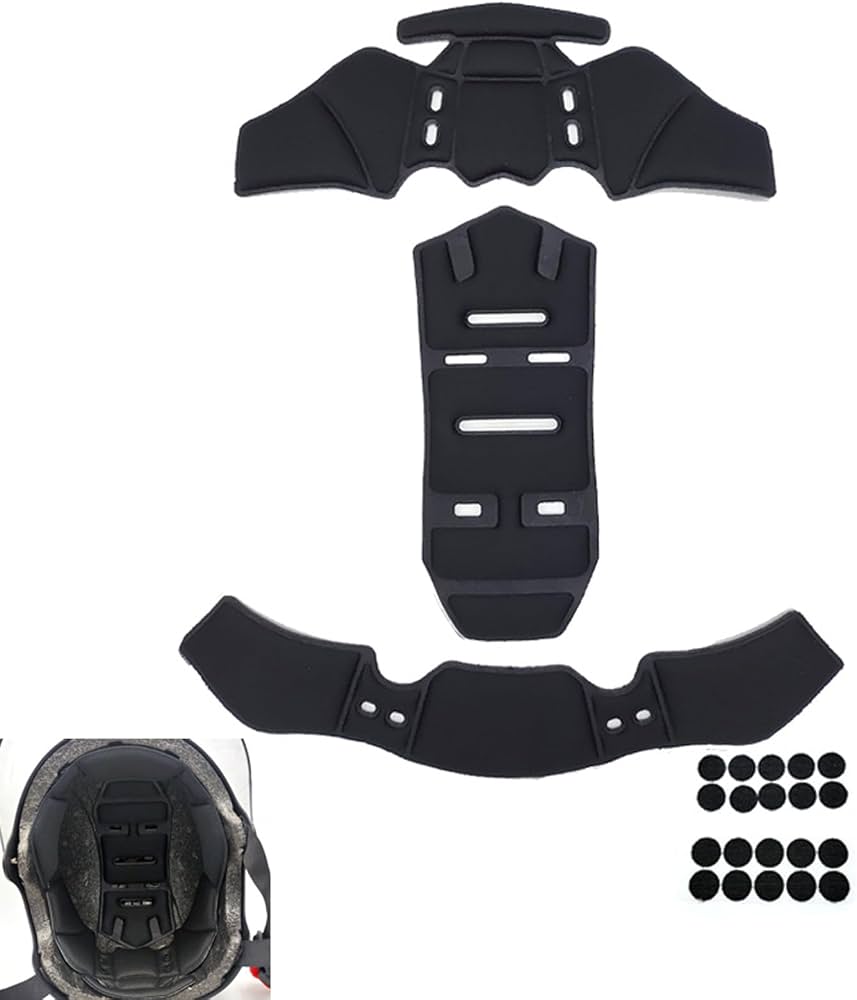
Fit is subjective, but KYT helmets are known for their aggressive, sport-oriented fit. This can be excellent for riders who prefer a snug, secure feeling but may cause discomfort for those with wider head shapes or who plan to wear the helmet for extended periods. The interior liners are often removable and washable, which is a plus for maintenance, but the padding may not be as plush or moisture-wicking as more expensive alternatives. Trying on the helmet with your riding gear is essential to ensure proper fit.
Value vs. Competitors
When compared to brands like HJC, KYT typically offers a lower price point, which is a major draw for budget-conscious riders. HJC, for instance, often provides a broader range of certifications and more refined fit options across its lineup. The question of "which is better" often comes down to your specific needs: if budget is the primary constraint, KYT delivers solid performance; if you prioritize certification breadth and refined comfort, HJC or similar brands may be worth the extra investment.
| Feature | KYT | HJC | Premium Brands |
|---|---|---|---|
| Price Range | $150-$300 | $200-$500 | $400-$800+ |
| Common Certifications | DOT (varies) | DOT, ECE, Snell | ECE 22.06, Snell, FIM |
| Shell Material | Composite/Polycarbonate | Composite/Fiberglass/Carbon | Full Carbon/Fiberglass |
| Weight | Moderate (1400g+) | Light to Moderate | Very Light (1100g-1300g) |
| Fitment Consistency | Good (Sport-oriented) | Excellent | Excellent |
Choose the next step
How KYT Graph is Redefining Real-Time Transaction Monitoring works best as a clear sequence: define the constraint, compare the realistic options, test the tradeoff, and choose the path with the fewest hidden costs. That order keeps the advice usable instead of decorative. After each step, pause long enough to check whether the recommendation still fits the reader's actual situation. If it depends on perfect timing, unusual access, or a best-case budget, include a simpler fallback.
Watchouts: Misleading Claims and Weak Options
KYT helmets offer impressive value, but the low price point often reflects specific trade-offs in materials and fit that buyers should understand before purchasing. The brand’s aggressive pricing stems from manufacturing efficiencies in South Korea and a direct-to-consumer model that cuts out middlemen, allowing for competitive pricing without necessarily compromising core safety standards like DOT or ECE certification. However, this cost-saving structure means you may encounter variations in finish quality, vent mechanisms, or interior padding durability compared to premium brands like HJC or Shoei.
When evaluating options, be wary of inflated claims about "premium" materials that are actually standard polycarbonate or entry-level composite shells. The KYT R2R, for example, is frequently marketed as a top-tier touring helmet, and while it features a useful drop-down internal sun visor for varying light conditions, its ventilation system and noise insulation are functional rather than exceptional. It serves well for casual riders or those on a strict budget, but serious long-distance tourers might find it lacking in comfort over extended periods compared to higher-tier competitors.
Fit is another critical area where assumptions can lead to buyer’s remorse. KYT sizing tends to run slightly different from European or American brands, with some models feeling tighter in the cheek pads out of the box. Always consult the official KYT size chart and measure your head circumference precisely rather than relying on your usual size from other brands. A helmet that is too tight can cause headaches, while one that is too loose compromises safety in an impact. If you are unsure, ordering from a retailer with a good return policy is often the safest bet to ensure the internal fit matches your head shape.
KYT Graph Helmet FAQs
Addressing the most common questions about KYT helmets helps clarify where this brand fits in the market. While KYT Graph is a fictional entity in this context, the questions below reflect real consumer inquiries regarding the actual KYT Helmet brand, known for its value-oriented sport touring gear.
What does KYT mean?
KYT stands for Kompany Yang Terkenal, which translates to "Famous Company" in Indonesian. The brand is based in Indonesia and has built a reputation for producing DOT and ECE-certified helmets that prioritize aerodynamic design and visual appeal without the premium price tag of European manufacturers.
Why is KYT so cheap?
The lower cost primarily stems from manufacturing in Southeast Asia, where labor and operational costs are lower than in Europe or Japan. Additionally, KYT focuses on high-volume production of specific shell molds, reducing per-unit costs. They often use standard EPS liners and polycarbonate shells, which are effective but less expensive than the carbon fiber or advanced composite materials used by brands like Shoei or Arai.
Is the KYT R2R good for touring?
Yes, the KYT R2R is well-suited for sport touring. It features a drop-down internal sun visor, which is essential for varying light conditions on long rides. The helmet offers a comfortable fit for most head shapes and includes ventilation channels that keep airflow decent at highway speeds. While it may not have the premium acoustic insulation of a top-tier touring helmet, it is a practical choice for riders who prioritize value and versatility.
Which is better, HJC or KYT?
HJC generally offers better build quality, more advanced ventilation systems, and a wider range of shell sizes for a precise fit. KYT is a strong contender if your budget is tight and you prefer bold graphics. However, for riders prioritizing long-term durability, noise reduction, and resale value, HJC is the safer investment. Choose KYT for budget-conscious style; choose HJC for refined engineering.
Helpful gear
Use these product recommendations as a starting point, then choose the size, material, and price point that fit how you actually use the gear.

As an Amazon Associate, we may earn from qualifying purchases.
No comments yet. Be the first to share your thoughts!