
Why real-time transaction monitoring matters now
The regulatory environment for digital assets has shifted from advisory guidance to strict enforcement. In 2026, compliance is no longer a post-transaction audit but a real-time requirement. Financial institutions and crypto service providers must identify illicit flows before they settle, not after regulators issue fines. This shift demands infrastructure capable of analyzing blockchain data at the speed of the network.
Traditional rule-based systems are failing to keep pace with the complexity of modern blockchain networks. Criminal actors leverage cross-chain bridges, privacy coins, and decentralized finance (DeFi) protocols to obscure fund trails. Static analysis tools cannot detect these evolving patterns. Real-time Know Your Transaction (KYT) graph analytics provide the necessary visibility by mapping relationships between addresses instantly.
The urgency is driven by both regulatory pressure and operational risk. Agencies like the FinCEN and FATF are mandating stricter travel rule compliance. Simultaneously, the volume of blockchain transactions has grown exponentially, making manual review impossible. Institutions need automated, graph-based monitoring to maintain liquidity while satisfying legal obligations.
This transition requires a fundamental change in how blockchain data is processed. Graph analytics allow compliance teams to see the "who, what, and where" of every transaction in milliseconds. By integrating real-time monitoring into the transaction flow, organizations can block suspicious activity before it impacts their balance sheet or reputation.
Core components of a KYT graph
A Know Your Transaction (KYT) graph functions as a digital ledger of financial movement, translating complex blockchain data into a structured network of relationships. At its foundation, the system relies on two primary elements: nodes and edges. Nodes represent discrete entities, such as wallet addresses, exchanges, or smart contracts, while edges denote the transactions that connect them. This architecture allows compliance teams to visualize the flow of funds across multiple hops, identifying patterns that isolated transaction reviews often miss.
The architecture processes data through a continuous ingestion pipeline. Real-time data feeds pull raw blockchain events and update the graph database instantly. This immediacy is critical; delays in data ingestion can allow illicit funds to move through mixing services or chain hops before a flag is raised. The graph engine then applies predefined rules and machine learning models to these incoming streams, scoring each new connection against known risk indicators.
To monitor market volatility alongside transactional risk, many KYT platforms integrate live asset data. This allows analysts to correlate price movements with sudden spikes in transaction volume, a common tactic in market manipulation or wash trading. The following widget provides a real-time view of a major asset's technical performance, helping teams contextualize transactional anomalies within broader market trends.
Real-time monitoring vs batch processing
For compliance teams, the difference between real-time graph analytics and traditional batch processing is the difference between stopping a crime and documenting it after the fact. Batch processing aggregates transaction data over set intervals—hourly, daily, or weekly—creating a lag that allows illicit flows to move through the financial system before detection.
Real-time monitoring uses graph databases to analyze transaction networks instantaneously. By mapping relationships between entities in milliseconds, these systems identify suspicious patterns, such as layering or rapid fund movement, as they happen. This immediacy is critical for preventing financial crime, not just reporting it.
The table below contrasts the operational differences between the two approaches.
Top KYT graph tools for 2026
Compliance teams need solutions that map complex transaction networks in real time. The following tools are selected for their ability to handle high-volume blockchain data while maintaining strict regulatory standards. Each option offers distinct capabilities for risk scoring and entity resolution.
SlowMist KYT
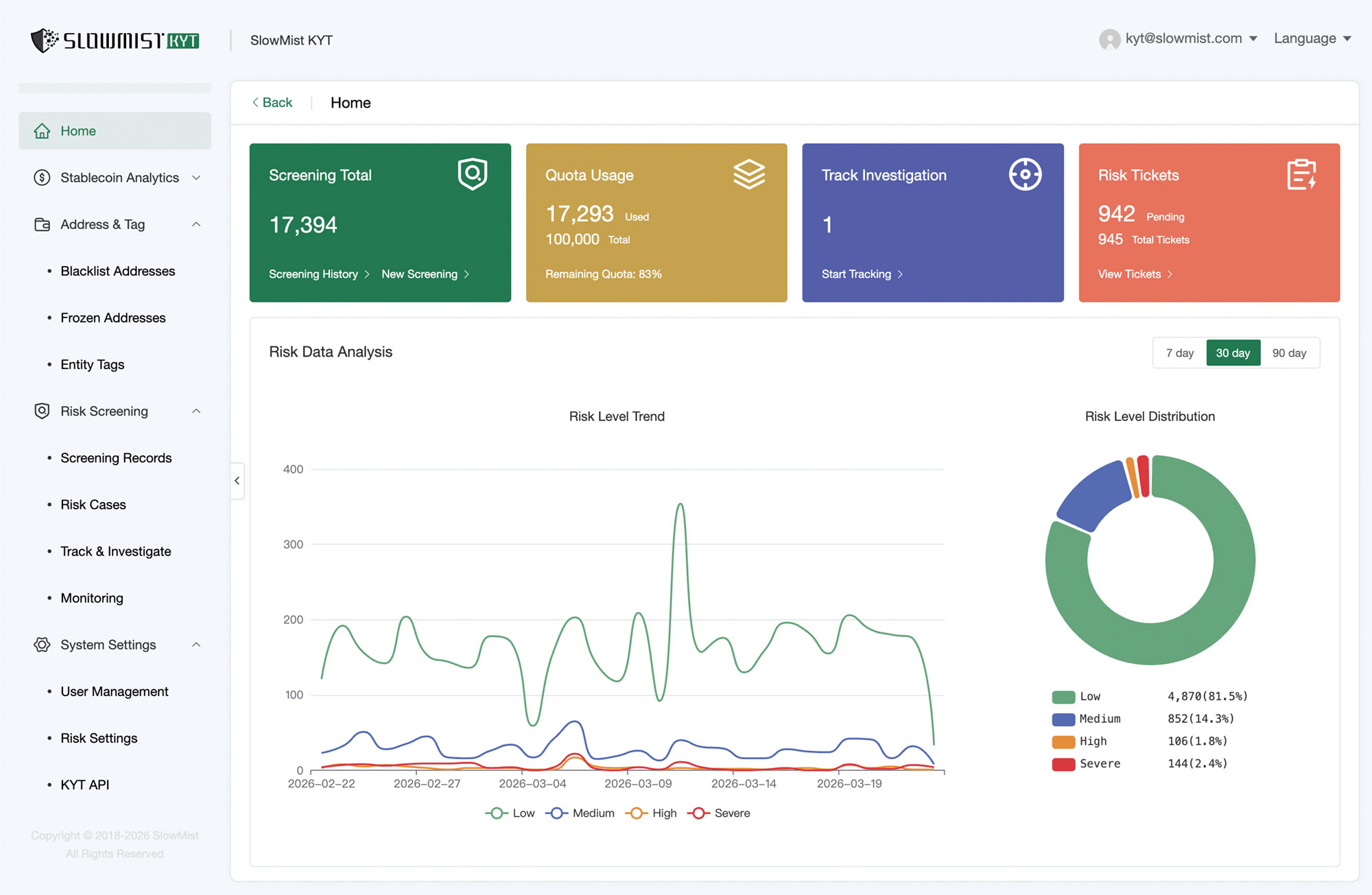
SlowMist KYT provides a configurable AML engine designed for large institutions. It focuses on real-time monitoring and offers granular control over risk thresholds, making it suitable for organizations with complex compliance requirements. The platform supports multiple blockchain networks and provides detailed transaction graph visualization.
TRM Labs
TRM Labs is widely recognized for its predictive analytics and threat intelligence. It excels at identifying high-risk entities and tracing illicit funds across mixed pools. The platform integrates deeply with existing compliance workflows and offers robust API support for automated decision-making.
Chainalysis
Chainalysis remains a standard in the industry for its comprehensive blockchain data and regulatory clarity. It provides clear visualizations of transaction flows and maintains an extensive database of known illicit addresses. Its tools are frequently used by law enforcement and major financial institutions for investigations and reporting.
Elliptic
Elliptic offers a strong focus on institutional compliance and regulatory reporting. It provides real-time transaction monitoring and detailed entity profiling. The platform is particularly effective for detecting complex money laundering schemes through its advanced graph analysis capabilities.
As an Amazon Associate, we may earn from qualifying purchases.
Implementing KYT in your compliance stack
Integrating Know Your Transaction (KYT) graph solutions requires more than just installing software; it demands a structural shift in how compliance data flows through your organization. The goal is to move from reactive, batch-based reviews to proactive, real-time monitoring that aligns with regulatory expectations. This section outlines the practical steps for embedding these tools into existing workflows.
Begin by cataloging every blockchain address, wallet, and exchange endpoint your team monitors. Define clear risk thresholds for each node in your graph. This foundational step ensures the KYT engine knows which transactions warrant immediate flagging and which can be processed with lower scrutiny, reducing alert fatigue for your compliance analysts.
Connect your KYT provider’s API directly to your transaction processing pipeline. This integration allows for synchronous or asynchronous screening of every outgoing and incoming transfer. By embedding the check at the source, you prevent high-risk funds from entering your custody layer, ensuring that your compliance stack acts as a gatekeeper rather than a post-mortem auditor.

Ensure your KYT implementation respects data minimization principles. While graph analysis requires extensive data, you must anonymize or pseudonymize sensitive user information where possible, in line with GDPR or other relevant privacy frameworks. Regularly audit your data retention policies to ensure you are not storing transaction history longer than necessary for compliance purposes.
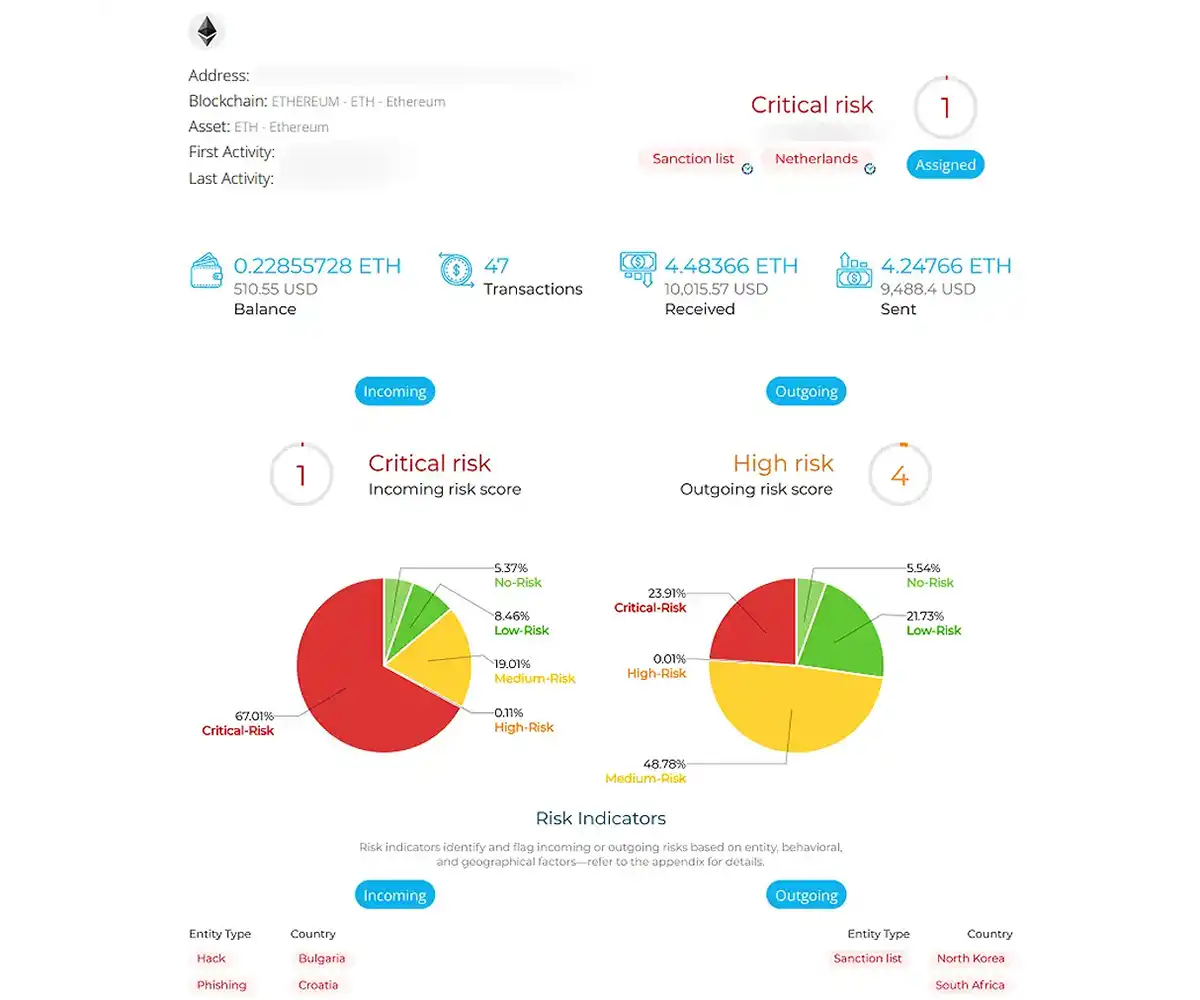
Traditional compliance teams are often trained to look at individual transactions in isolation. Graph-based KYT requires a shift in mindset, teaching analysts to trace connections across multiple hops and entities. Invest in training that focuses on visualizing these relationships, enabling your team to quickly identify complex layering schemes or hidden beneficial ownership structures.
By following these steps, you build a compliance stack that is not only robust but also adaptable to the evolving landscape of blockchain regulation. The integration of KYT graph tools transforms compliance from a cost center into a strategic advantage, providing clarity and confidence in every transaction.
Common KYT implementation: what to check next
When integrating Know Your Transaction (KYT) graph tools, teams often encounter specific hurdles regarding data integration, regulatory alignment, and operational impact. The following questions address the most frequent implementation challenges based on industry feedback and regulatory guidance.
Implementing these tools requires careful attention to API latency and data freshness. Real-time monitoring is only effective if the graph updates are near-instantaneous, allowing compliance teams to block or flag transactions before they settle. Regular audits of the graph’s accuracy against known threat intelligence feeds are essential to maintain regulatory compliance.
No comments yet. Be the first to share your thoughts!