
Kyt graph 2026 limits to account for
Use this section to make the KYT Graph decision easier to compare in real life, not just on paper. Start with the reader's actual constraint, then separate must-have requirements from details that are merely nice to have. A practical choice should survive normal use, maintenance, timing, and budget. If a recommendation only works in an ideal situation, call that out plainly and give the reader a fallback path.
The simplest way to use this section is to write down the must-have criteria first, then compare each option against those criteria before weighing nice-to-have features.
Kyt graph 2026 choices that change the plan
Use this section to make the KYT Graph decision easier to compare in real life, not just on paper. Start with the reader's actual constraint, then separate must-have requirements from details that are merely nice to have. A practical choice should survive normal use, maintenance, timing, and budget. If a recommendation only works in an ideal situation, call that out plainly and give the reader a fallback path.
| Factor | What to check | Why it matters |
|---|---|---|
| Fit | Match the option to the primary use case. | A good deal still fails if it does not fit the job. |
| Condition | Verify age, wear, and service history. | Hidden condition issues erase upfront savings. |
| Cost | Compare purchase price with likely upkeep. | The cheapest option is not always the lowest-cost option. |
How to choose the right KYT helmet in 2026
Selecting a KYT helmet for 2026 requires balancing budget constraints with safety certifications and fit. While KYT offers aggressive pricing, the 2026 lineup introduces new composite materials and updated venting systems that change how these helmets perform in extended rides. Use this framework to evaluate options before purchase.
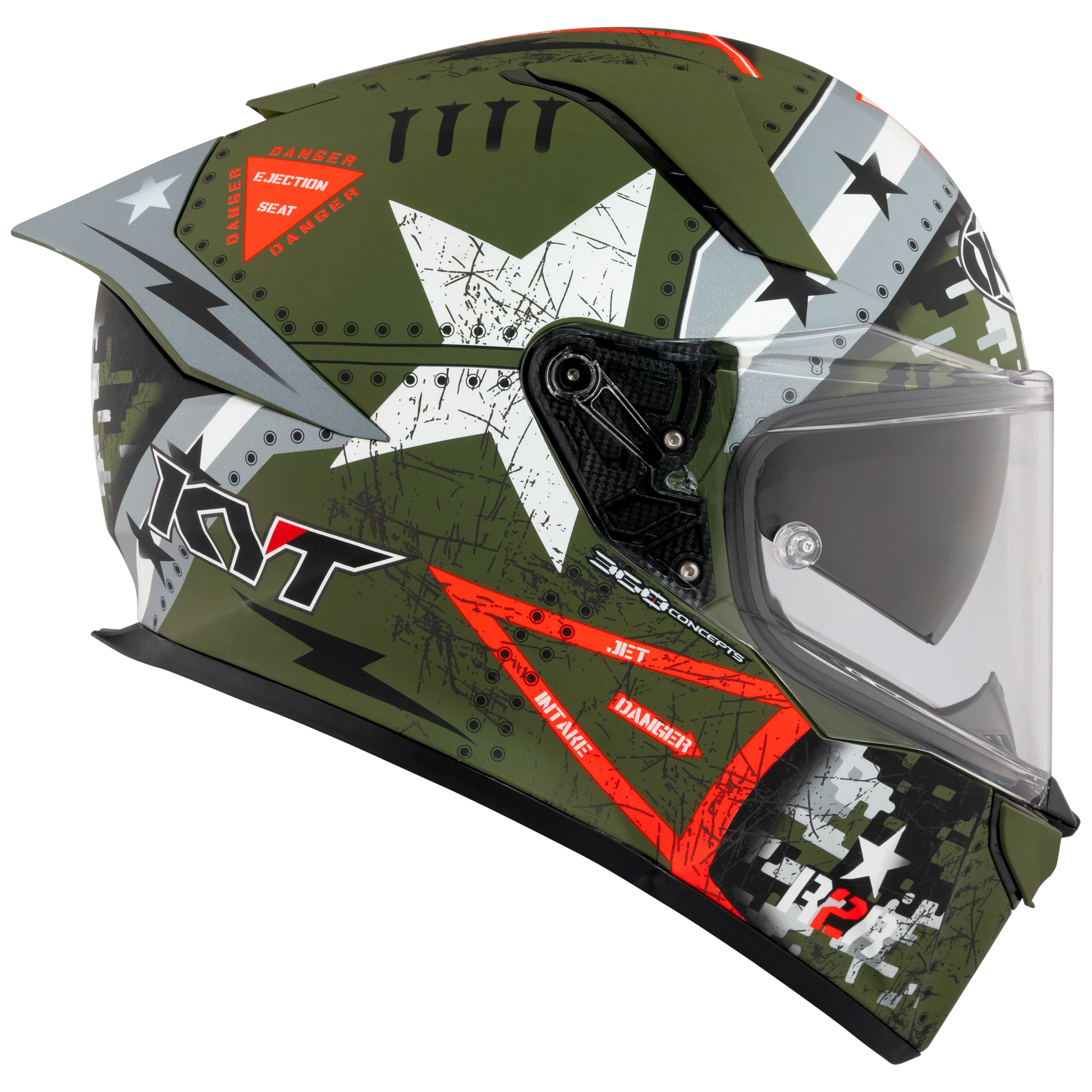
Ensure the helmet meets DOT, ECE 22.06, or Snell standards depending on your region. KYT’s 2026 models largely comply with ECE 22.06, the latest European standard. Check the interior label for the specific certification code. Avoid helmets that only claim "DOT compliant" if you ride in Europe or want higher impact protection.
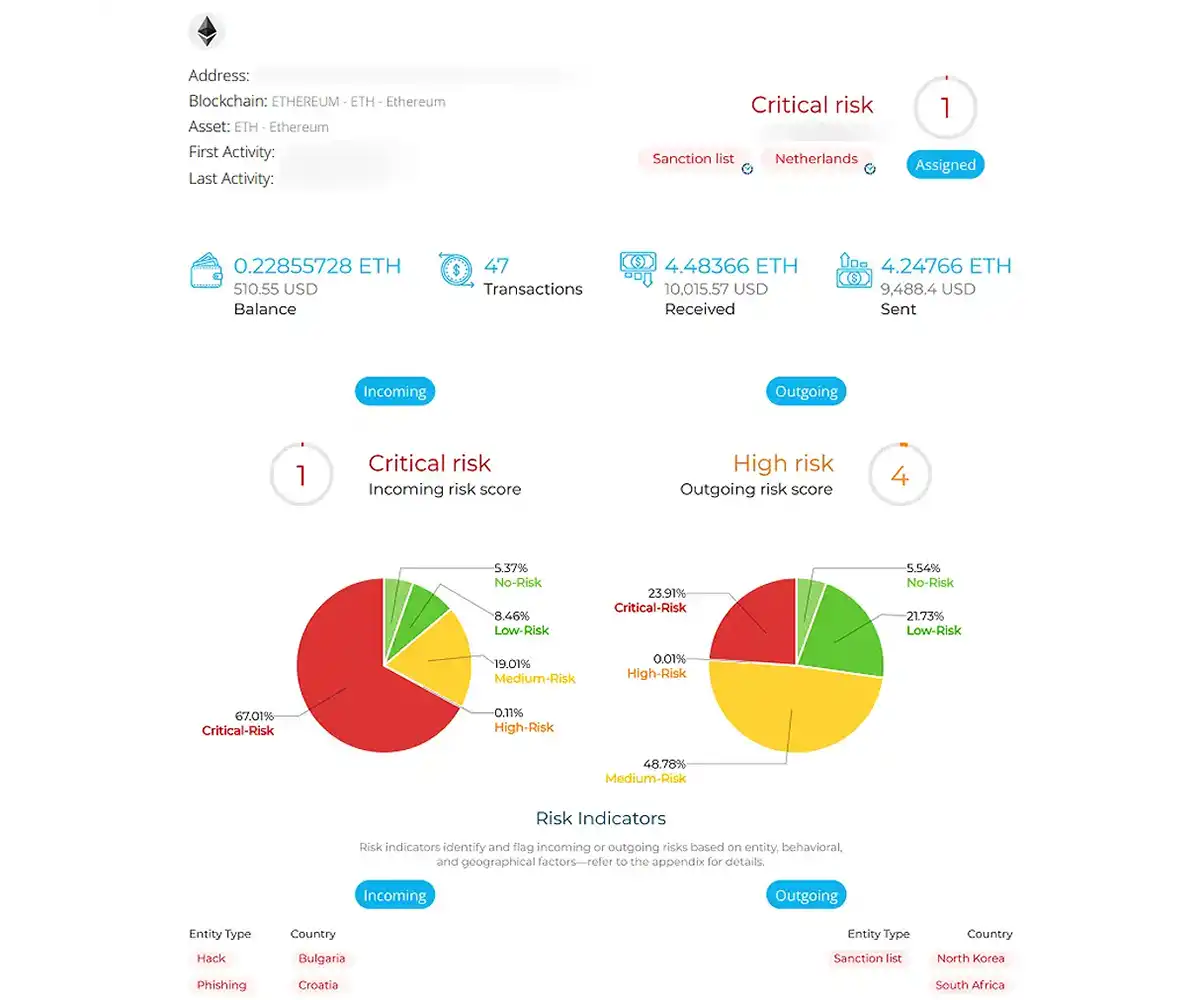
KYT shells tend to run slightly narrower than HJC or MT. Measure your head circumference and compare it to the brand’s specific size chart for the 2026 model year. Try the helmet on with your riding glasses to ensure no pressure points. A proper fit should feel snug but not painful, with the cheek pads compressing evenly.
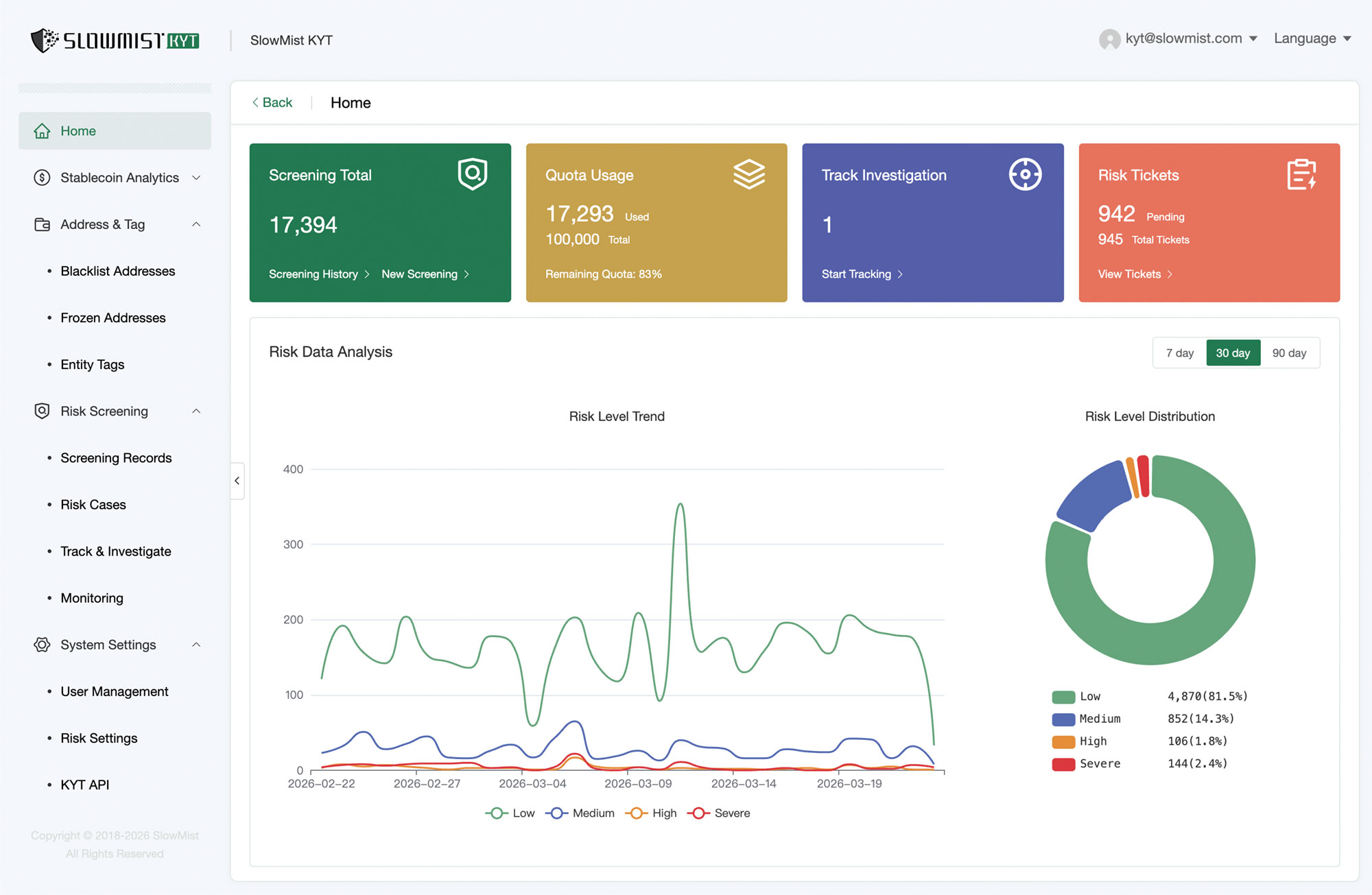
The 2026 collection features improved air intake channels in the chin bar and exhaust ports at the rear. Heavier composite shells offer more durability but add neck strain over long distances. Lighter polycarbonate options are better for track days or hot climates. Weigh the trade-off between cooling efficiency and structural rigidity for your typical ride conditions.
Check if the model supports Pinlock inserts to prevent fogging. KYT visors are generally easy to swap, but verify the mechanism type (quick-release vs. screw) for your preference. Some 2026 models come with integrated sun visors, while others require aftermarket add-ons. Ensure the interior padding is removable and washable for long-term hygiene.
Watchouts: Misleading Claims and Weak Options
KYT Americas positions its 2026 lineup around "racing DNA" and professional-level performance, but buyers should check the fine print. While the brand offers solid entry-level protection, claims of "top tier safety" often refer to basic DOT certification rather than the stricter Snell or ECE 22.06 standards found in premium competitors. Always verify the specific certification sticker inside the helmet shell, as marketing language can blur the line between standard compliance and advanced safety.
The 2026 collection introduces new graphic designs, but the core shell materials remain largely unchanged from previous years. When comparing KYT to brands like HJC or MT Helmets, the price difference is stark. KYT’s lower cost stems from manufacturing efficiencies and simpler internal padding systems, not inferior safety. However, this trade-off often shows up in ventilation design and visor mechanisms, which can feel less refined than mid-range options.
Avoid assuming that a lower price point means compromised structural integrity. KYT helmets meet or exceed mandatory safety regulations. The real watchout is fit and finish. If you prioritize long-haul comfort or advanced aerodynamic features, a KYT helmet might feel sparse compared to HJC’s Iso-Core technology. For casual riders or those on a strict budget, KYT remains a viable option, but verify that the specific model fits your head shape before purchasing.
Kyt graph 2026: common: what to check next
Here are answers to the most frequent questions about KYT helmets, the 2026 lineup, and how they compare to other brands.
No comments yet. Be the first to share your thoughts!