
Kyt graph analytics 2026 limits to account for
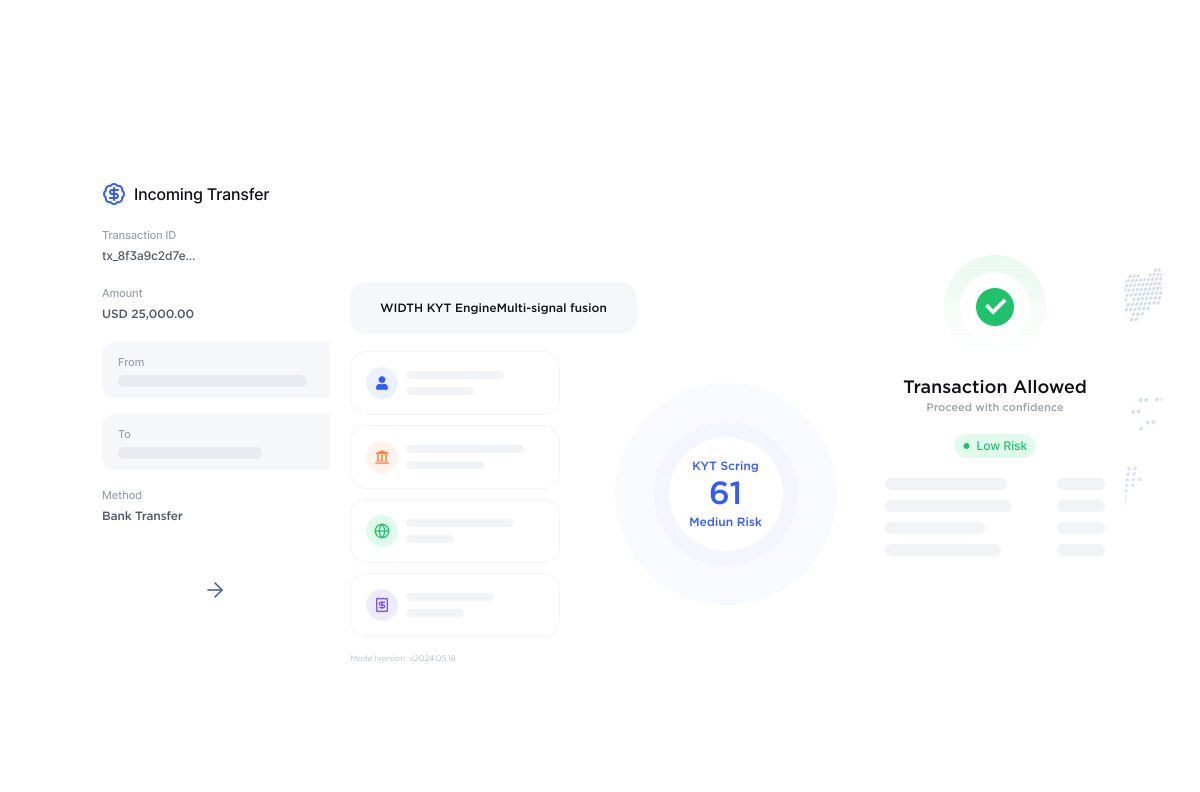
KYT Graph analytics 2026 introduces stricter data retention policies and higher compute costs for real-time node traversal. When planning your implementation, distinguish between hard constraints—such as regulatory data residency—and flexible requirements like query latency tolerance. A robust architecture must account for these limits during the design phase to avoid costly refactoring later.
Start by mapping your expected query volume against the new pricing tiers. If your use case involves high-frequency lookups, consider caching strategies or pre-aggregated views to stay within budget. Always verify the latest API rate limits, as they can change based on your subscription tier. For instance, the 2026 update caps concurrent connections at 500 for standard tiers, requiring load balancing for higher throughput.
Kyt graph analytics 2026 choices that change the plan
The 2026 update shifts focus from simple pathfinding to complex community detection algorithms. This change impacts how you structure your data models. You must decide whether to prioritize write throughput or read consistency, as the new indexing mechanisms favor one over the other depending on your configuration.
Consider the tradeoffs carefully. A configuration optimized for real-time fraud detection may struggle with batch historical analysis. Conversely, a setup built for deep historical queries might introduce unacceptable delays for live user interactions. Evaluate your primary workload before committing to a schema. For example, if you need sub-100ms responses for transaction monitoring, avoid full-graph traversals and use materialized views instead.
| Factor | What to check | Why it matters |
|---|---|---|
| Fit | Match the option to the primary use case. | A good deal still fails if it does not fit the job. |
| Condition | Verify age, wear, and service history. | Hidden condition issues erase upfront savings. |
| Cost | Compare purchase price with likely upkeep. | The cheapest option is not always the lowest-cost option. |
Choose the next step
Implementing KYT Graph in 2026 requires a clear sequence: define the constraint, compare the realistic options, test the tradeoff, and choose the path with the fewest hidden costs. This order keeps the advice usable instead of decorative.
After each step, pause to check whether the recommendation still fits your actual situation. If your plan depends on perfect timing or a best-case budget, include a simpler fallback. For example, if real-time graph traversal exceeds your budget, consider asynchronous batch processing for non-critical reports. This approach reduces immediate compute load while maintaining data integrity for later analysis.

Avoid the weak options
Many teams fall into the trap of over-engineering their graph queries. Avoid complex subgraph traversals unless absolutely necessary, as they significantly increase latency and resource consumption. Instead, start with simple node-property filters and expand only when the data doesn't fit your initial criteria.
Another common mistake is ignoring the impact of schema changes on existing indexes. In 2026, adding new edge types can invalidate precomputed paths, leading to sudden performance drops. Always test schema migrations in a staging environment before applying them to production. For example, if you add a new "transaction_type" property, verify that existing indexes on "user_id" do not need rebuilding, which could take hours for large datasets.
No comments yet. Be the first to share your thoughts!