
Kyt graph analytics limits to account for
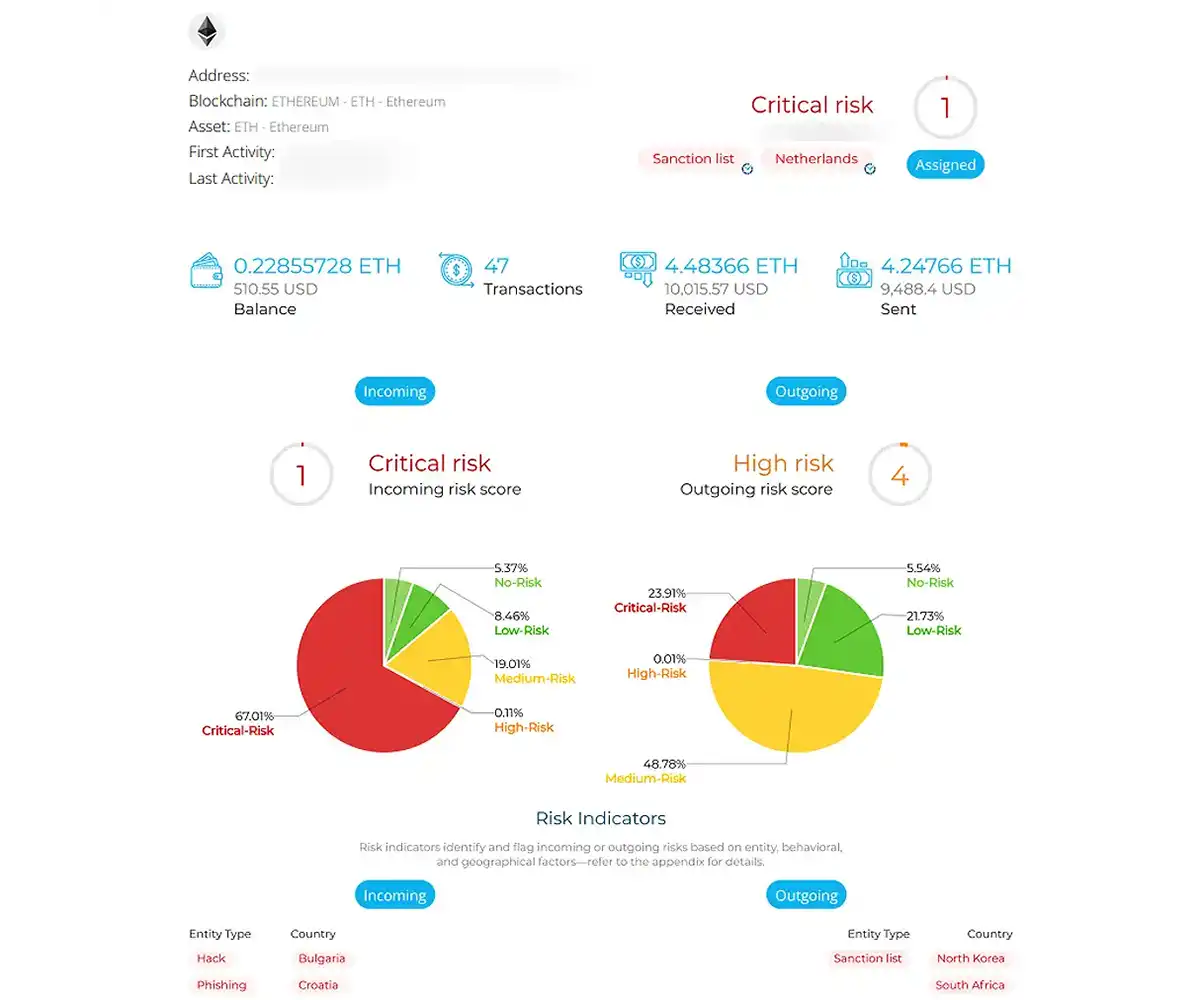
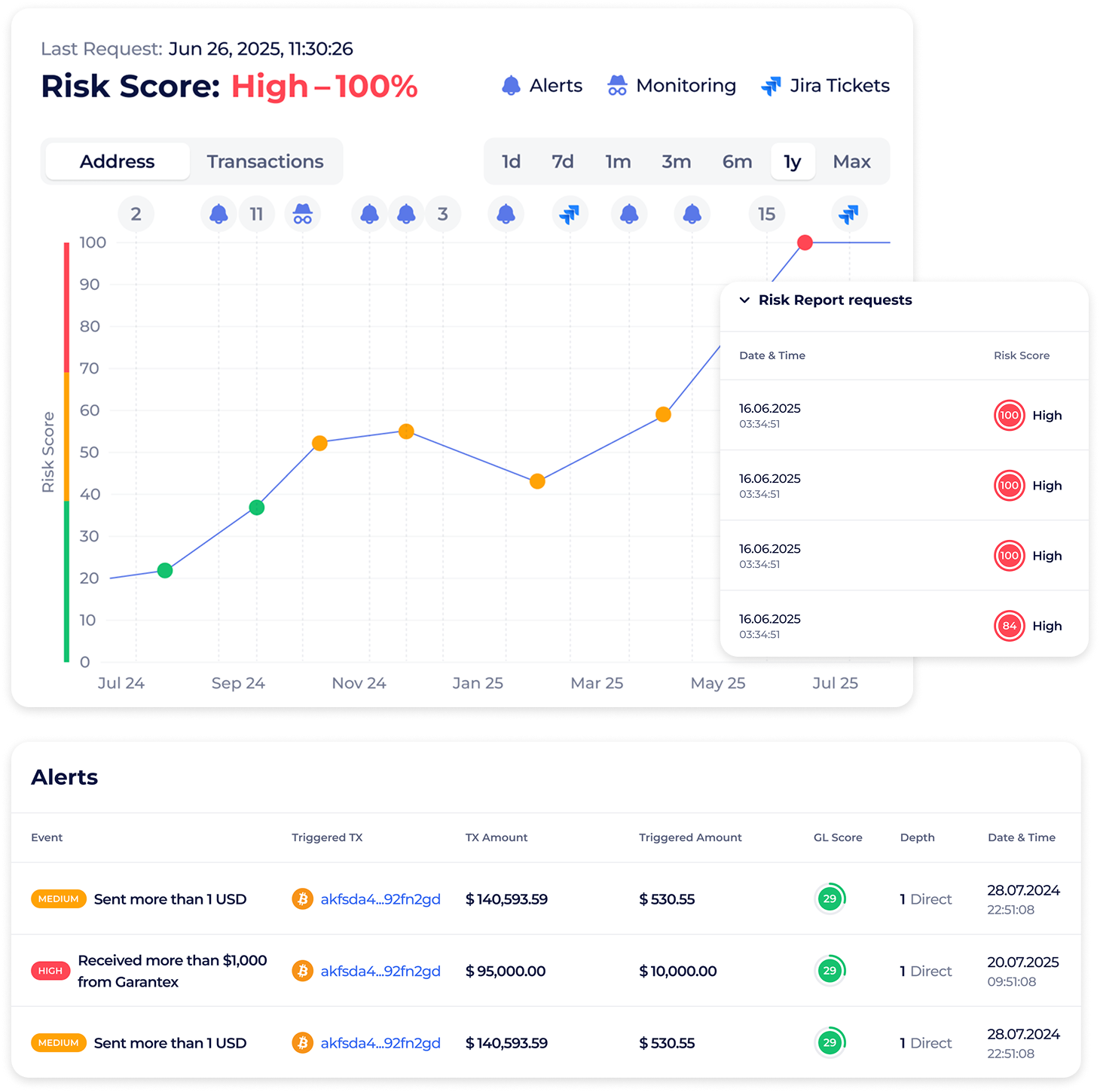
KYT (Know Your Transaction) graph analytics identifies suspicious patterns by mapping relationships between entities, such as wallets, accounts, or users. The primary constraint is usually the scale of data and the need for real-time processing. Unlike relational databases, graph databases excel at traversing multi-hop connections, making them ideal for detecting complex fraud rings or money laundering networks.
When evaluating solutions, distinguish between must-have capabilities—such as sub-second query latency for high-volume transactions—and nice-to-have features like advanced visualization tools. A system that cannot handle your peak transaction volume will fail regardless of its analytical depth. Always verify that the chosen platform supports the specific graph algorithms you need, such as PageRank for influence detection or community detection for clustering suspicious activities.
Kyt graph analytics choices that change the plan
The decision often hinges on whether you prioritize scalability, ease of use, or specialized security features. Some platforms offer managed services that reduce operational overhead but limit customization, while open-source options provide flexibility at the cost of maintenance burden. Consider the total cost of ownership, including infrastructure, developer time, and potential licensing fees.
| Factor | What to check | Why it matters |
|---|---|---|
| Fit | Match the option to the primary use case. | |
| Condition | Verify age, wear, and service history. | |
| Cost | Compare purchase price with likely upkeep. |
Choose the next step
Implementing KYT graph analytics requires a structured approach to ensure accuracy and efficiency. Begin by defining the specific risk scenarios you aim to detect, such as layering in money laundering or synthetic identity fraud. Then, compare realistic options based on their ability to handle your data volume and query complexity. Finally, choose the path that offers the best balance of performance, cost, and maintainability.

Avoid the weak options
Many organizations fall into the trap of selecting graph databases based solely on popularity or initial setup ease. This often leads to performance bottlenecks when handling large-scale transaction graphs. Avoid solutions that do not support efficient indexing for common traversal patterns, as this can result in slow query times and increased computational costs. Additionally, steer clear of platforms that lack robust security features, such as role-based access control and encryption, which are critical for protecting sensitive financial data.
No comments yet. Be the first to share your thoughts!