
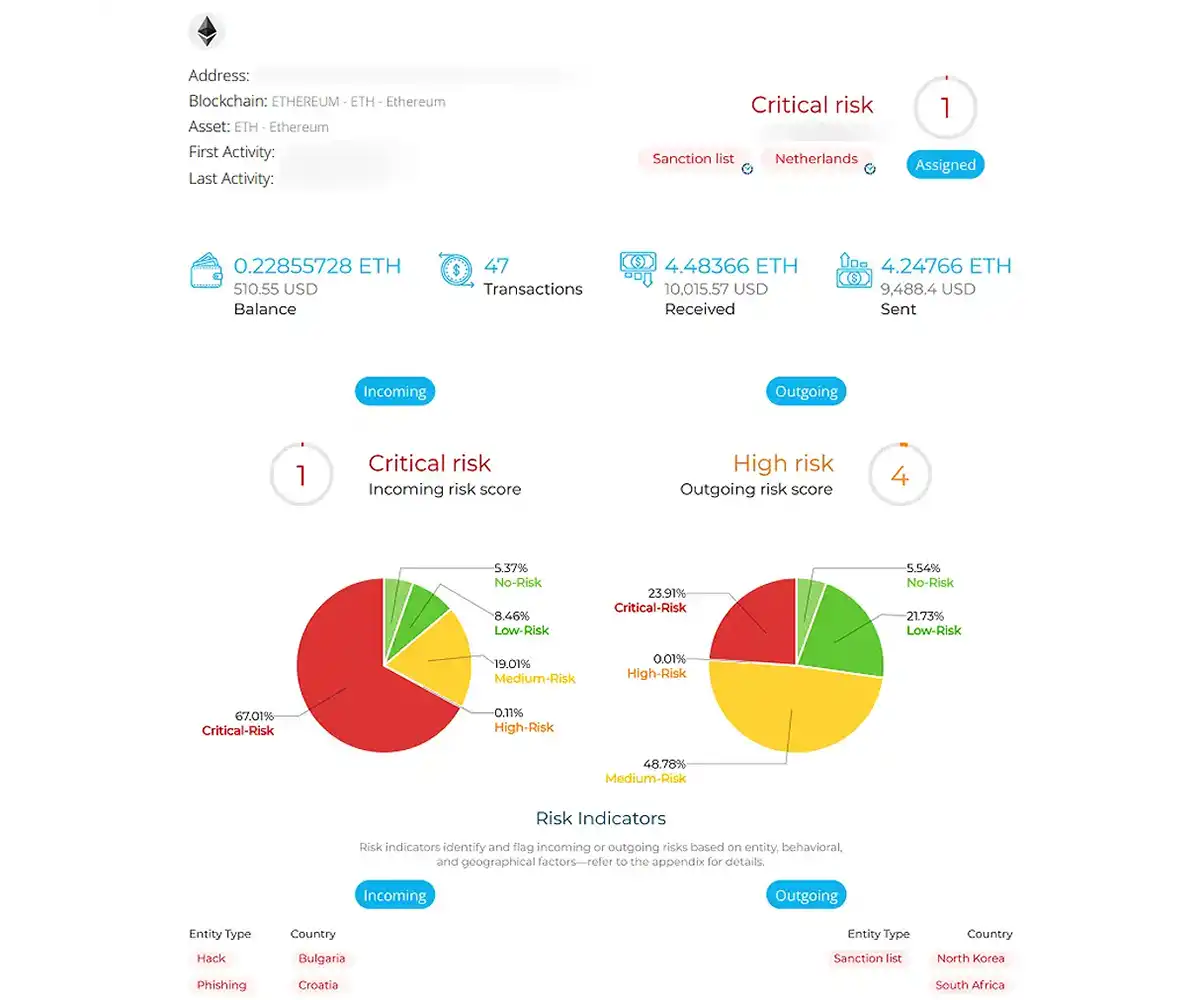
What is KYT Graph Analytics?
KYT Graph is a blockchain analytics platform built by TRM Labs to track transaction flows in real time. Instead of relying on static labels, it uses graph theory to map the relationships between wallet addresses, exposing how funds move across DeFi protocols, mixers, and centralized exchanges.
Think of it as a forensic map for digital assets. Where a traditional ledger shows you a single transaction, the graph reveals the entire journey. This allows compliance teams to identify high-risk entities—such as sanctioned addresses or illicit mixers—before they interact with your platform.
For DeFi projects and Web3 businesses, this level of visibility is no longer optional. Regulatory bodies increasingly expect platforms to perform ongoing monitoring rather than one-off checks. KYT Graph provides the infrastructure to meet these expectations by flagging suspicious patterns as they happen.
Kyt graph choices that change the plan
When selecting a KYT (Know Your Transaction) graph analytics solution, you are balancing detection depth against operational friction. The right tool depends on how your team handles alerts and how much latency your DeFi or Web3 protocols can tolerate. Below is a comparison of the primary tradeoffs to consider.
| Factor | Real-Time Speed | Infrastructure Cost | False Positive Rate | Integration Depth |
|---|---|---|---|---|
| Pre-trade screening | High | Medium | High | API-first |
| Post-trade analysis | Low | Low | Medium | Batch processing |
| Manual review queues | N/A | High | Variable | UI/dashboard |
| Automated blocking | High | High | Low | Smart contract hooks |
Real-time screening offers the highest security but demands significant infrastructure investment. If your protocol processes thousands of transactions per second, pre-trade checks can introduce unacceptable latency. In these cases, post-trade analysis is more viable, though it exposes you to risk during the window between execution and review.
Cost is another major divider. Graph analytics engines that maintain deep, immutable histories of blockchain data require substantial storage. Providers that offer shallow, recent-only graphs are cheaper but less effective at tracking long-term laundering patterns. You must decide if the cost of missing a sophisticated chain-hopping attack outweighs the monthly fee for deep historical data.
The accuracy of any KYT tool is measured by its false positive rate. High false positives drown compliance teams in noise, forcing them to manually review legitimate users. Tools that rely on simple heuristic rules often have higher false positive rates than those using machine learning models trained on specific DeFi behaviors, such as cross-chain bridge interactions or mixer usage.
Finally, consider integration depth. Some solutions offer seamless API integration for real-time blocking, while others require manual uploads of transaction hashes. For high-stakes environments, automated blocking via smart contract hooks is ideal, but it requires rigorous testing to avoid accidentally locking user funds. Always test the integration in a sandbox environment before deploying to mainnet.
Choosing the right KYT graph analytics tool
Selecting a KYT (Know Your Transaction) solution requires matching your specific compliance workload with the right technical capabilities. The market is crowded with providers offering varying degrees of graph analytics, risk scoring, and regulatory reporting. A generic approach often leads to integration debt or missed regulatory signals. Instead, evaluate tools based on three practical dimensions: data coverage, real-time latency, and ease of integration.
1. Verify blockchain coverage and depth
Not all KYT platforms support the same set of blockchains or the depth of transaction history you need. If your DeFi protocol operates across multiple L2s or emerging chains, ensure the provider has established indexing for those networks. Look for tools that offer historical data tracing, not just current address tagging. This depth is critical for investigating past transactions during audits or compliance reviews. Prioritize providers that explicitly list support for the specific chains your users frequent.
2. Assess real-time latency and API reliability
In a high-stakes DeFi environment, compliance checks must happen in milliseconds, not minutes. Evaluate the API response times of potential tools under load. A tool that provides accurate risk scores but takes ten seconds to respond will bottleneck your user onboarding or transaction flow. Check for SLA guarantees and uptime records. Real-time graph analytics should integrate seamlessly into your existing transaction verification pipeline without introducing noticeable delays for the end user.
3. Evaluate integration complexity and developer experience
The best analytics tool is useless if your engineering team struggles to implement it. Review the SDK documentation, API clarity, and available code samples. Tools that offer pre-built connectors for common wallets, exchanges, or DeFi protocols reduce development time significantly. Consider whether the provider offers sandbox environments for testing. A smooth developer experience accelerates your path to compliance and reduces the risk of implementation errors that could leave your platform vulnerable to regulatory scrutiny.
Spotting Weak Options in KYT Graph Analytics
KYT graph analytics platforms promise real-time compliance for DeFi, but many tools fall short. You need to separate the robust solutions from the weak options that claim functionality without delivering. This section identifies misleading claims and common mistakes to help you choose wisely.
The "Real-Time" Myth
Many platforms advertise real-time monitoring, but latency often lags behind transaction speed. In 2026, true real-time means sub-second detection. If a tool takes minutes to flag a suspicious address, it is too slow for high-stakes compliance. Check their documentation for latency metrics, not just marketing slogans.
Over-Reliance on Static Rules
Weak options rely on static rule sets that fail against evolving DeFi strategies. Strong analytics use machine learning to adapt to new patterns. If a platform requires manual rule updates for every new protocol, it is not scalable. Look for adaptive engines that learn from global threat data.
Ignoring Cross-Chain Nuances
Many tools only monitor Ethereum or Bitcoin, ignoring the complexity of cross-chain bridges. A comprehensive solution must track assets across multiple chains. If your analytics miss transactions on Solana or Polygon, you have blind spots. Ensure the platform supports all chains in your portfolio.
The Cost of False Positives
High false-positive rates waste compliance resources. Weak tools flag legitimate transactions as suspicious, causing delays and friction. Strong platforms balance sensitivity with accuracy. Evaluate their false-positive rate during trials. A tool that blocks 20% of clean transactions is more harmful than helpful.
Kyt graph analytics: frequently asked: what to check next
KYT graph analytics tools track transaction flows across blockchain networks by mapping entities to addresses and identifying patterns of suspicious activity in real time. These systems use graph theory to visualize connections between wallets, exchanges, and smart contracts, allowing compliance teams to spot money laundering or sanction violations before funds move further down the chain.
How do KYT graph analytics differ from simple address screening?
Address screening checks a single wallet against static blacklist databases. KYT graph analytics go deeper by analyzing the entire transaction history and relationships surrounding that address. If a wallet interacts with a tainted source, the graph tool flags the downstream transactions, providing context that simple screening misses.
Can these tools detect mixing services and privacy coins?
Yes, modern graph analytics can trace funds through mixers like Tornado Cash or privacy-focused coins like Monero by analyzing transaction patterns and timing. While absolute anonymity is difficult to break, graph tools can often identify the entry and exit points of mixed funds, linking them back to known entities.
What is the typical latency for real-time compliance alerts?
Most enterprise-grade KYT platforms provide alerts within seconds of a transaction being broadcast to the mempool. This near-instantaneous detection is critical for DeFi protocols and exchanges that need to freeze assets or trigger manual reviews before a withdrawal is confirmed on-chain.
No comments yet. Be the first to share your thoughts!