
The KYC Graph 2026: Moving from Static Checks to Continuous Monitoring
The KYC graph in 2026 is no longer a static snapshot of who you are; it is a living, event-driven model. Traditional roles focused on one-time verification are being replaced by Perpetual KYC (pKYC), a system that treats identity as a continuous stream of data rather than a single entry event. This shift is driven by the need for real-time risk assessment as regulatory pressures intensify globally.
In this new landscape, the "graph" represents the interconnected web of relationships, transactions, and behavioral signals that define a customer's risk profile over time. Instead of relying solely on initial document checks, institutions now monitor for changes in beneficial ownership, sanctions status, and transaction patterns. This approach reduces false positives and allows compliance teams to focus on genuine threats rather than routine data entry.
The transition to pKYC requires robust data infrastructure that can ingest and analyze signals in real-time. Leading providers are integrating advanced analytics to map these complex relationships, ensuring that high-risk customers are identified instantly. This move from periodic review to continuous monitoring is becoming the standard for financial institutions aiming to balance security with customer experience.
As regulations evolve, the ability to visualize and interpret these dynamic identity graphs will be critical. Institutions that fail to adopt this continuous model risk falling behind in both compliance efficiency and fraud prevention.
Kyc graph 2026 choices that change the plan
Choosing a KYC infrastructure for 2026 requires balancing real-time verification capabilities against operational overhead. The shift toward graph-based identity verification introduces specific tradeoffs that impact compliance accuracy, cost, and implementation speed. Decision-makers must evaluate these factors before committing to a provider or internal build.
Graph databases excel at mapping complex ownership structures and detecting hidden relationships that traditional relational databases miss. This capability significantly reduces false positives in AML screening but demands higher computational resources and specialized expertise to maintain. Smaller institutions may find the infrastructure cost prohibitive compared to cloud-based SaaS solutions that offer pre-built graph models.
Real-time verification reduces customer friction but increases the risk of system failures during peak traffic. Providers must demonstrate high availability and low-latency response times. The following table compares the primary tradeoffs between graph-native KYC systems and legacy hybrid approaches.
| Factor | Graph-Native KYC | Legacy Hybrid KYC |
|---|---|---|
| Relationship Detection | High: Maps multi-hop connections instantly | Low: Requires complex joins and external tools |
| Implementation Speed | Medium: Requires schema design and data migration | Fast: Integrates with existing databases |
| False Positive Rate | Low: Contextual risk scoring reduces noise | High: Rule-based systems generate excess alerts |
| Maintenance Cost | High: Requires specialized graph engineers | Medium: Uses standard SQL and IT staff |
| Scalability | High: Handles billions of relationships efficiently | Low: Performance degrades with data volume |
The choice between these models depends on your institution’s risk profile and technical maturity. Institutions handling complex corporate structures benefit most from graph-native solutions despite higher initial costs. Those with simpler customer bases may achieve adequate compliance with hybrid approaches while preserving budget for other critical areas.
Choose the right KYC verification tool
Selecting a KYC verification platform requires matching your volume, risk profile, and integration capabilities. The landscape has shifted from static document checks to perpetual, real-time monitoring. A mismatched tool creates compliance gaps or unnecessary friction for low-risk users.
1. Verify real-time graphing capabilities
Traditional KYC checks one document at a time. Modern graphing solutions map relationships between entities, flags, and historical data points instantly. This allows you to detect complex fraud rings that static checks miss. Look for platforms that update risk scores continuously, not just at onboarding.
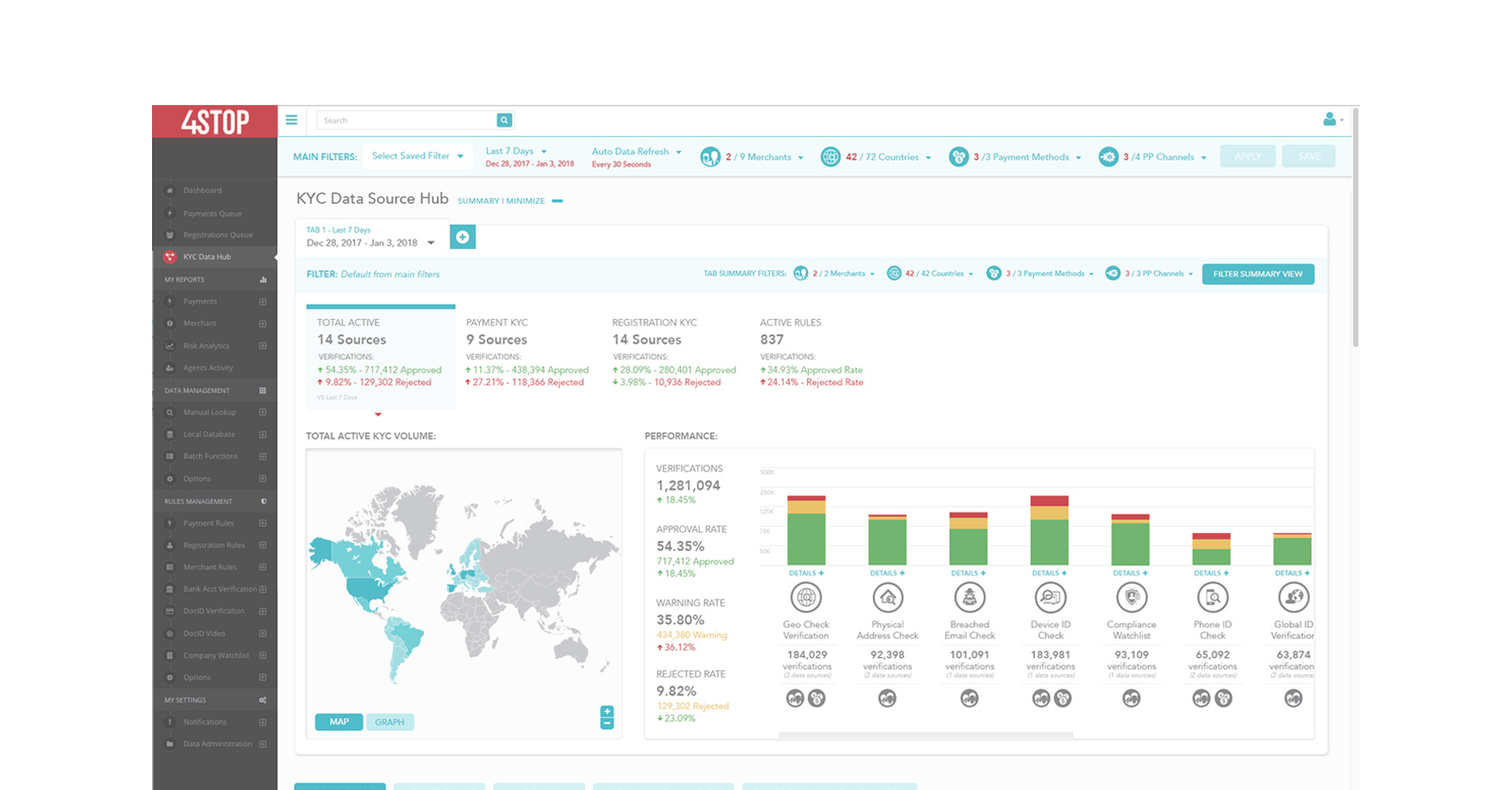
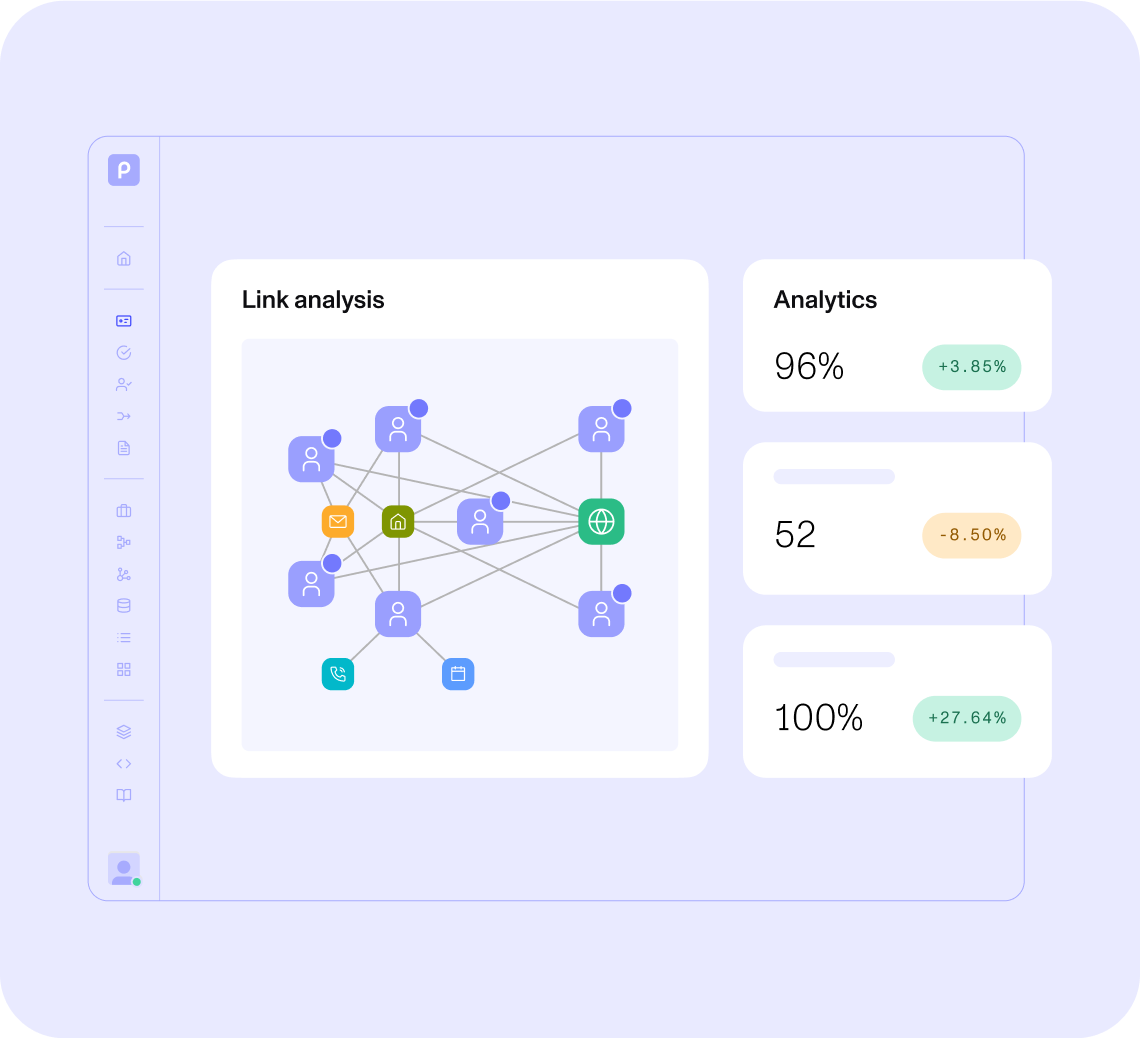
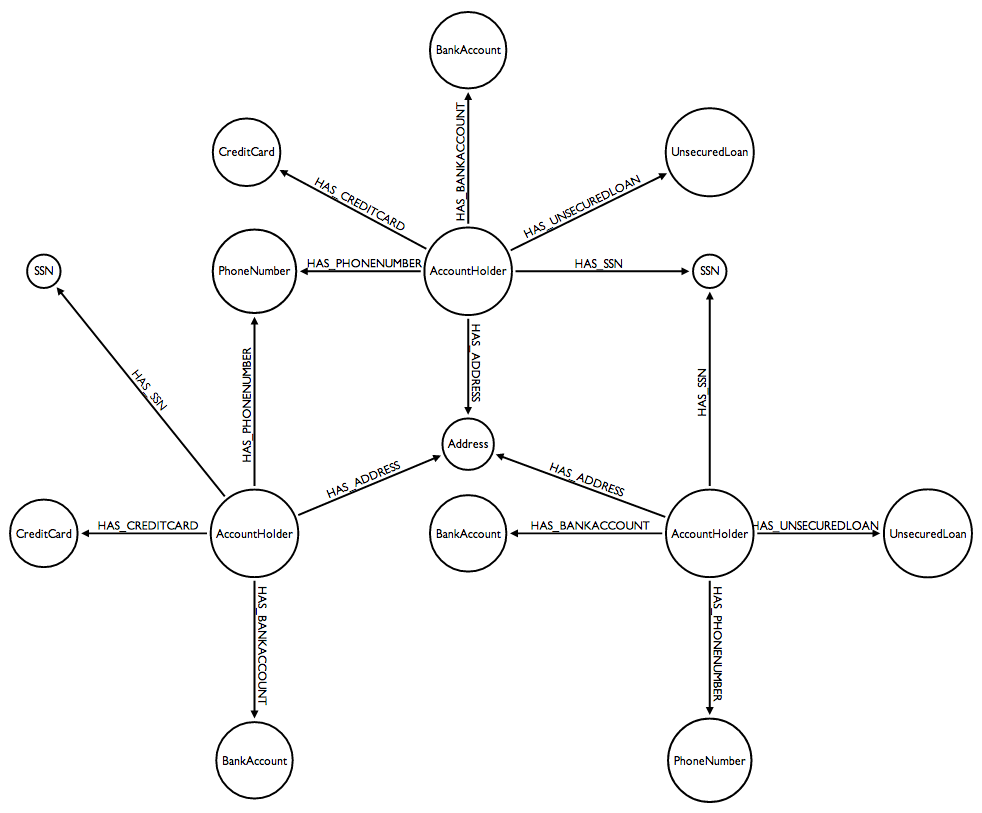
Verify that the vendor uses graph databases to link identities, devices, and transactions. This visual mapping is essential for identifying high-risk networks in real time.
2. Check regulatory alignment
Compliance rules evolve faster than software updates. Ensure your provider explicitly supports current 2026 standards, including the latest AML directives and regional privacy laws. A vendor stuck on 2023 protocols will leave you exposed to fines.
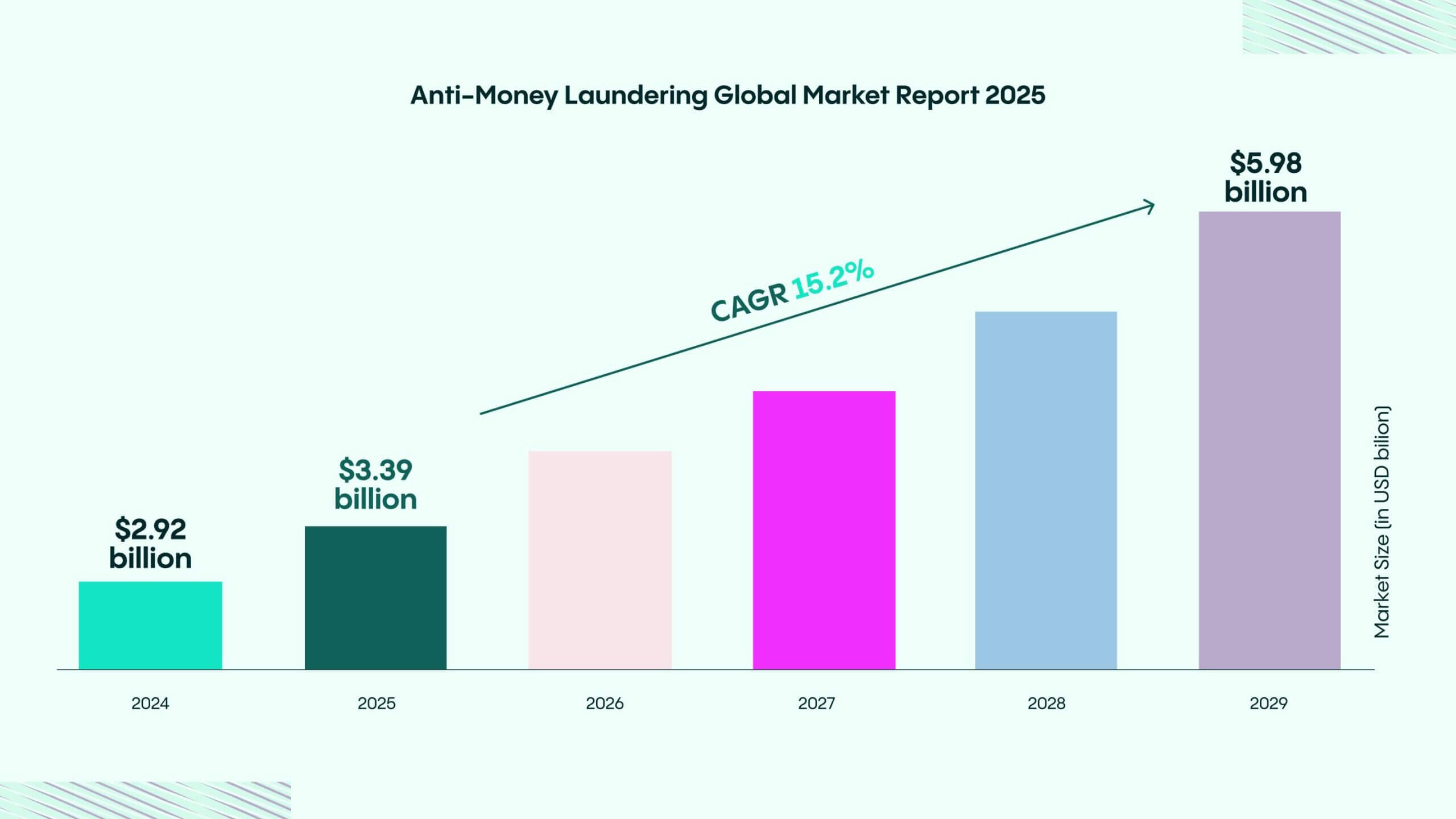
Ask for a compliance matrix covering your specific jurisdictions. Leading providers like LSEG World Check offer global coverage, but verify they include your target markets.
3. Assess integration complexity
Your KYC tool must speak to your existing tech stack. API documentation should be clear, with sandbox environments for testing. Avoid platforms requiring heavy custom development; this slows time-to-market and increases maintenance costs.
Run a quick integration test. If it takes more than a few hours to process a single identity, the tool may be too cumbersome for high-volume onboarding.
4. Review false positive rates
High false positive rates frustrate legitimate users and overwhelm compliance teams. Request recent performance data from similar-sized clients. A good tool balances security with user experience, catching threats without blocking innocent customers.
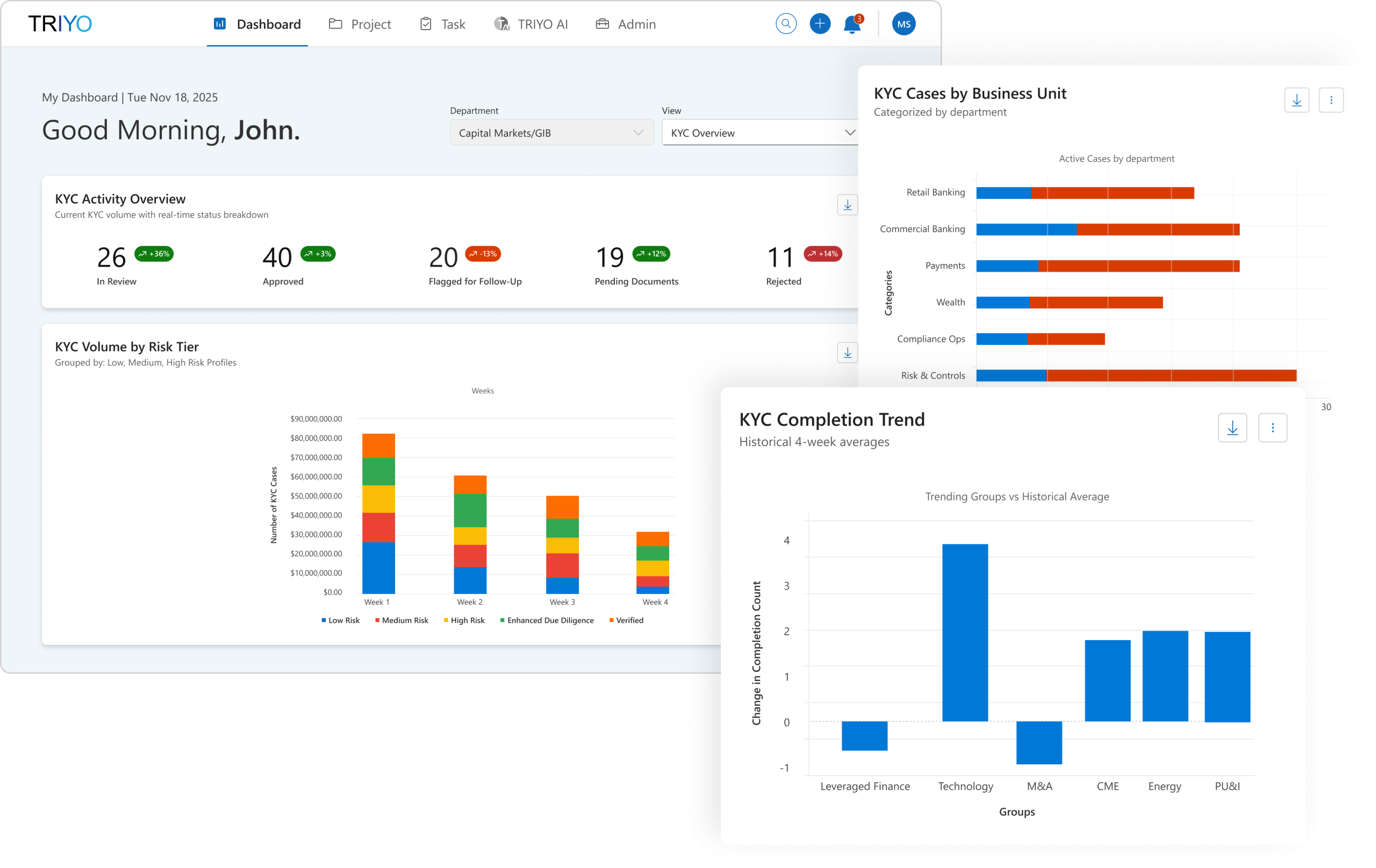
Look for vendors who publish independent audit results. Transparency in false positive and false negative rates is a strong indicator of reliability.
5. Plan for perpetual KYC (pKYC)
Static checks are becoming obsolete. The 2026 standard is pKYC: continuous, event-driven monitoring that updates customer risk profiles in real time. Choose a vendor that supports this shift, ensuring your compliance posture remains current without manual re-verification.
Confirm the platform offers real-time alerting and automated risk recalibration. This proactive approach is essential for managing evolving threats.
Spotting misleading KYC claims in 2026
The shift toward perpetual KYC (pKYC) is real, but marketing often exaggerates its immediate reach. By 2026, traditional static verification roles are being replaced by event-driven models, yet many vendors still sell "real-time" solutions that require manual review for edge cases. Look for providers that explicitly detail their automation thresholds rather than vague promises of full automation.
Common mistakes include ignoring the five major elements of KYC: customer identification, beneficial ownership, risk assessment, ongoing monitoring, and record-keeping. A solution that skips beneficial ownership verification is incomplete, regardless of how fast it processes IDs. High-risk customers, such as those from high-risk jurisdictions or politically exposed persons (PEPs), require enhanced due diligence that simple AI scoring often misses.
When evaluating vendors, check if they support the 2026 bank KYC rules, which increasingly mandate continuous monitoring rather than one-time checks. Avoid tools that treat KYC as a linear process. Instead, look for platforms that integrate seamlessly with transaction monitoring systems. The best providers, like LSEG World Check, offer comprehensive data layers that reduce false positives without sacrificing compliance rigor.
Kyc graph 2026: what to check next
These questions reflect the immediate concerns driving 2026 compliance strategies. The move toward graph-based identity verification allows institutions to handle these complexities at scale, reducing false positives and improving the customer experience simultaneously.
No comments yet. Be the first to share your thoughts!