
Kyt graph 2026: the compliance limits to account for
The term "KYT Graph 2026" often surfaces in search results, but it rarely refers to a single software platform. Instead, it describes a shifting landscape where anti-money laundering (AML) standards are being rewritten by AI-driven compliance tools. For financial institutions and crypto exchanges, the "graph" is the network of transactional relationships that these new systems map in real-time to flag suspicious activity before it settles.
This isn't just about faster checks; it's about depth. Traditional rule-based systems miss complex layering schemes. The 2026 standard demands graph-based analysis that connects disparate wallet addresses, shell companies, and transaction hashes into a single visual narrative. When regulators ask for proof of due diligence, a simple "clean" status is no longer enough. You need to show the path.
The constraint for 2026 is clear: compliance can no longer be a post-transaction audit. It must be predictive. AI models are now trained to recognize behavioral patterns across the entire graph, not just isolated nodes. This means a transaction that looks benign on its own might be flagged because of its position in a larger, hidden network. The goal is to reduce false positives while catching the subtle signals that human analysts would miss in millions of daily transactions.
The phrase "KYT Graph 2026" is largely a conceptual marker for the next generation of compliance infrastructure, rather than a specific product name. Focus on tools that offer real-time graph analysis and AI integration.
As we evaluate the tools that meet these new standards, we look for platforms that don't just list risks but visualize them. The best solutions provide a clear, interactive graph that allows compliance officers to trace funds through multiple hops instantly. This visual clarity is what separates modern compliance from legacy reporting systems.
Choosing the Right KYT Graph Tool for 2026
Selecting an anti-money laundering (AML) solution requires moving beyond generic features to assess how well a tool handles specific blockchain risks. The 2026 landscape favors platforms that integrate real-time graph analysis with automated compliance workflows. Use this framework to evaluate options based on integration ease, detection accuracy, and operational cost.
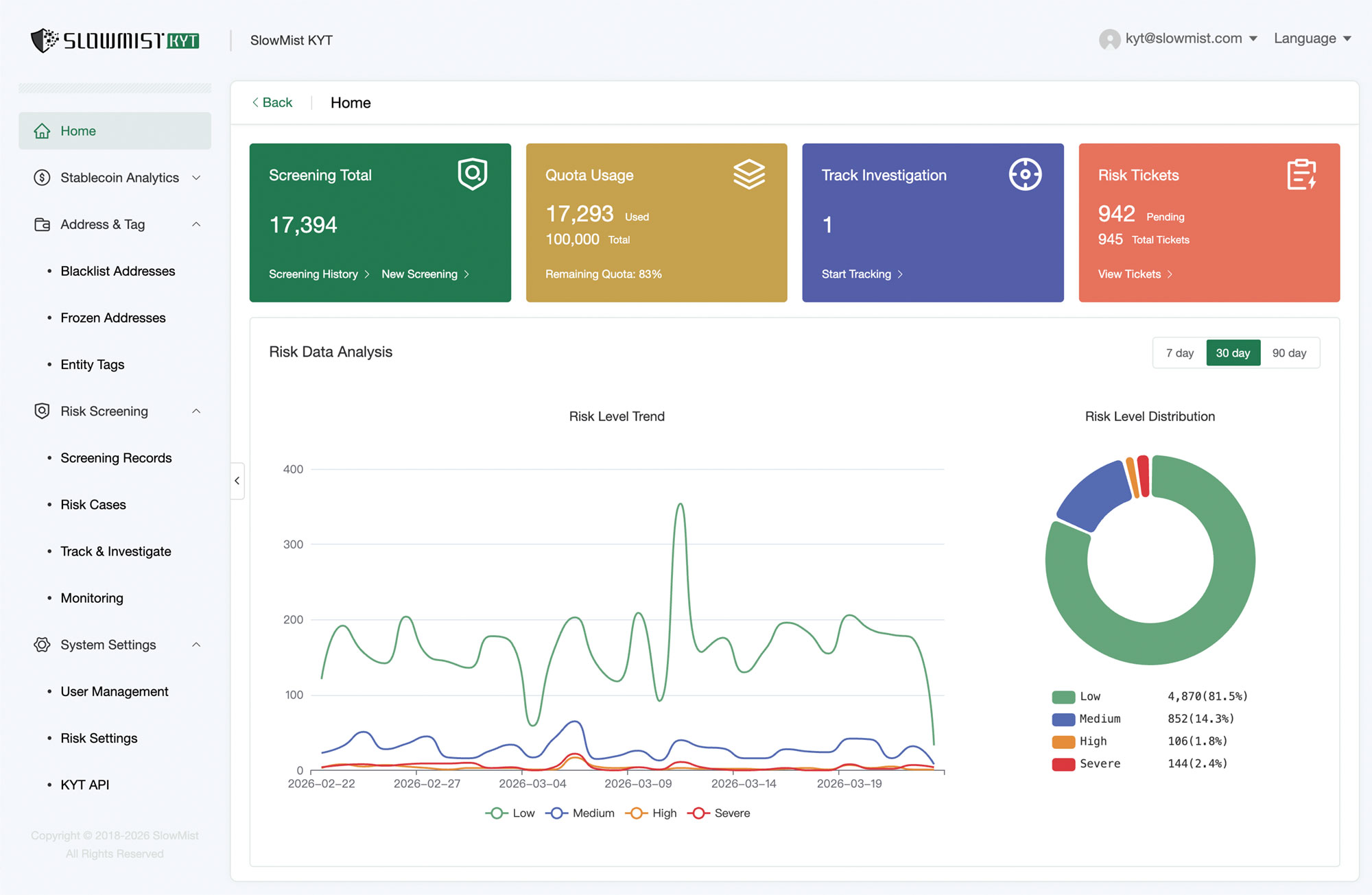
Ensure the platform updates risk scores instantly. Static data misses emerging laundering patterns. Real-time graphing allows you to trace funds across multiple hops as they happen, not after the fact. This is critical for stopping transactions before they clear.
Look for built-in tools that generate SARs (Suspicious Activity Reports) and other required filings. Manual reporting is slow and error-prone. A good KYT system should auto-populate these documents with transaction data, reducing your compliance team’s workload significantly.
Review the API documentation and SDK support. You need a solution that fits into your existing tech stack without requiring a full rebuild. Prioritize platforms with robust REST APIs and clear developer resources to ensure a smooth deployment.
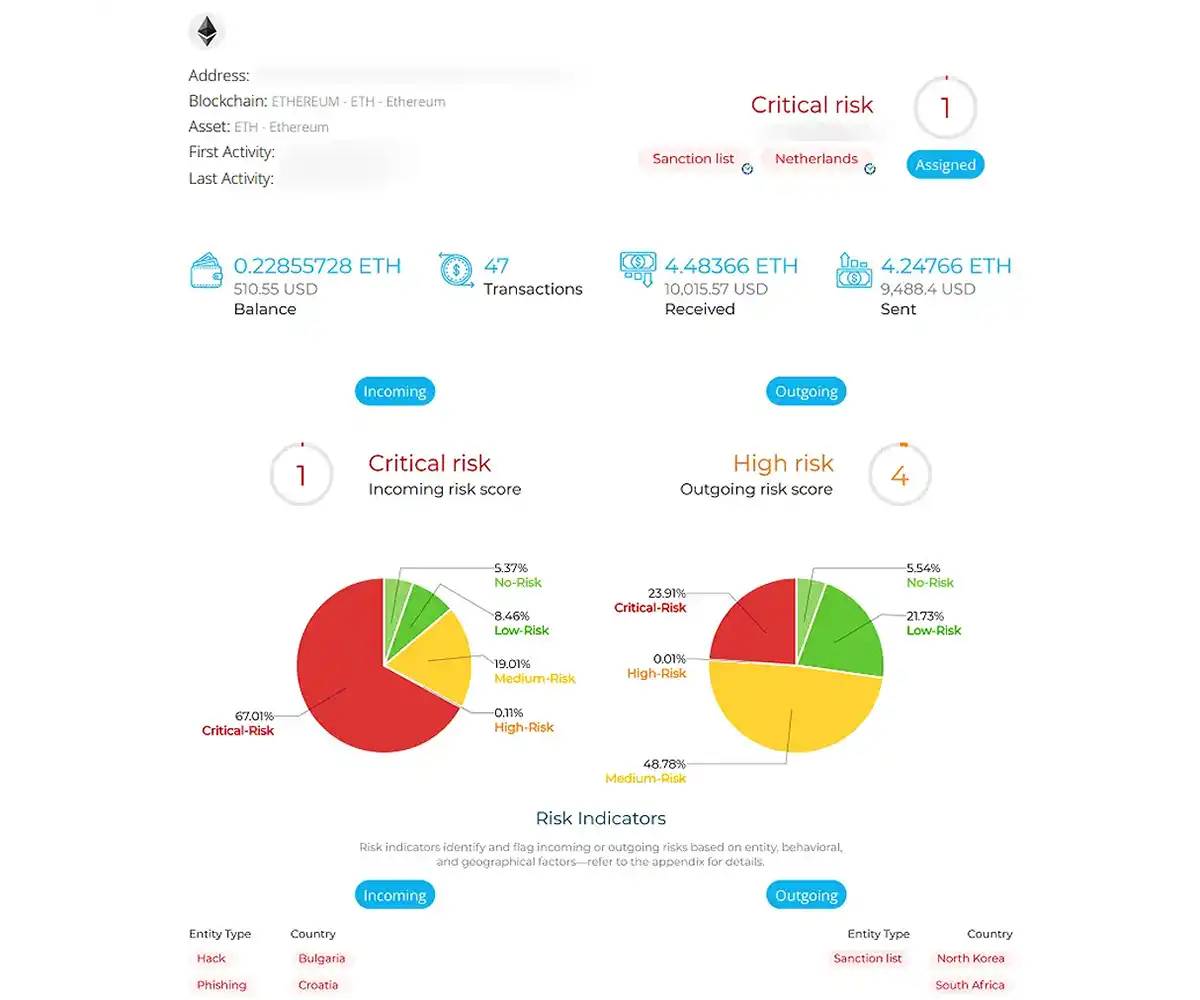
Test the platform’s ability to identify high-risk entities without generating excessive false positives. High false positives waste resources. Ask for case studies or demo data that show how the tool handles complex obfuscation techniques used by sophisticated money launderers.
Avoid the weak options
The simplest way to use this section is to write down the must-have criteria first, then compare each option against those criteria before weighing nice-to-have features.
Kyt graph 2026: common: what to check next
Is KYT Graph 2026 compatible with existing AML systems? The 2026 technical roadmap emphasizes multi-service blockchain data infrastructure on Horizon. This design allows developers to integrate new knowledge graph capabilities directly into legacy compliance stacks without replacing core infrastructure. The protocol is built to serve as a layer that enhances existing data flows rather than forcing a full system overhaul.
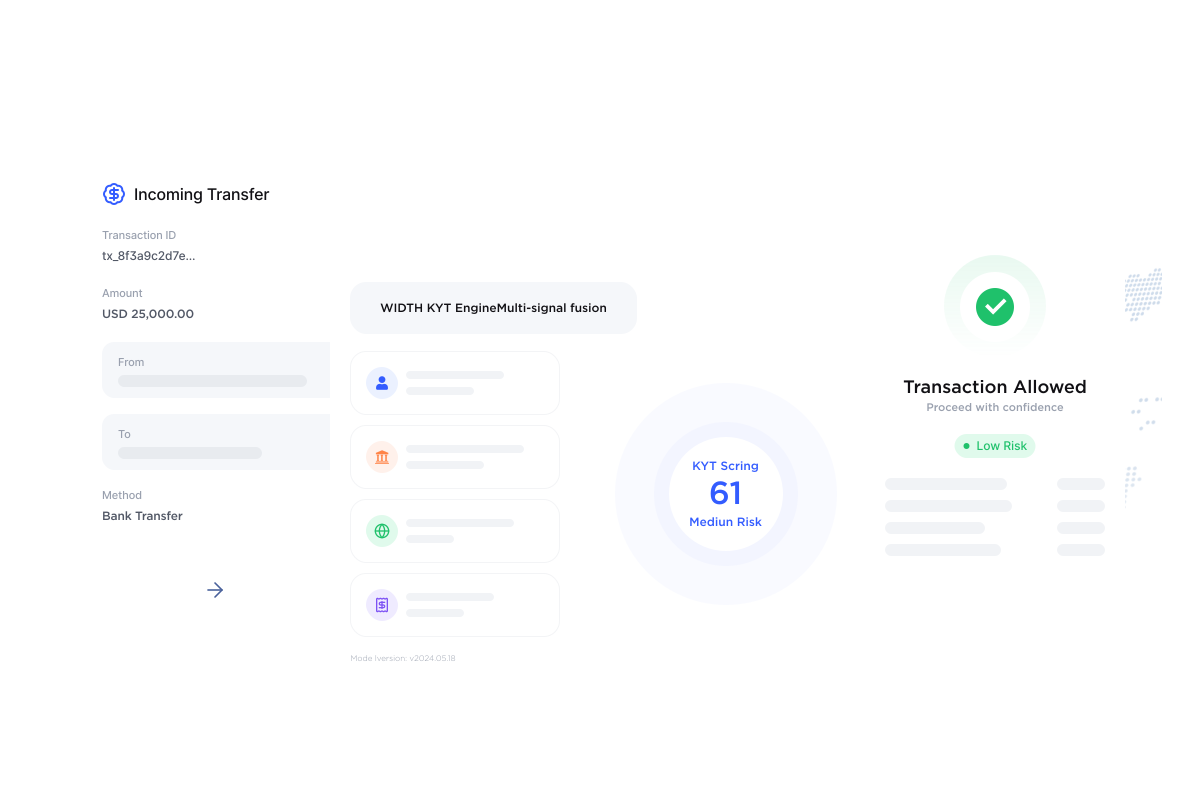
How does AI improve risk scoring accuracy? AI-driven compliance moves beyond static rule sets by analyzing complex transaction patterns in real time. This approach reduces false positives by understanding the context of asset movements. Instead of flagging every high-value transfer, the system identifies genuine anomalies based on behavioral baselines, allowing compliance teams to focus on actual threats.
What are the implementation costs for 2026? Implementation costs vary based on the scale of your operation and the depth of integration required. While initial setup involves technical configuration, the long-term value comes from reduced manual review hours. Many firms find that the efficiency gains from automated graph analysis offset the initial investment within the first year.
Is KYT Graph 2026 secure against data breaches? Security is a primary concern in regulatory compliance. The 2026 standards prioritize data privacy through encrypted data sharing and decentralized verification methods. By keeping sensitive user data localized while sharing only necessary risk indicators, the system minimizes exposure to centralized attack vectors.
No comments yet. Be the first to share your thoughts!