
Kyt monitoring 2026 choices that change the plan
Use this section to make the KYC vs. KYT decision easier to compare in real life, not just on paper. Start with the reader's actual constraint, then separate must-have requirements from details that are merely nice to have. A practical choice should survive normal use, maintenance, timing, and budget. If a recommendation only works in an ideal situation, call that out plainly and give the reader a fallback path.
| Factor | What to check | Why it matters |
|---|---|---|
| Fit | Match the option to the primary use case. | A good deal still fails if it does not fit the job. |
| Condition | Verify age, wear, and service history. | Hidden condition issues erase upfront savings. |
| Cost | Compare purchase price with likely upkeep. | The cheapest option is not always the lowest-cost option. |
Where each option wins
Use this section to make the KYC vs. KYT decision easier to compare in real life, not just on paper. Start with the reader's actual constraint, then separate must-have requirements from details that are merely nice to have. A practical choice should survive normal use, maintenance, timing, and budget. If a recommendation only works in an ideal situation, call that out plainly and give the reader a fallback path.
The simplest way to use this section is to write down the must-have criteria first, then compare each option against those criteria before weighing nice-to-have features.
Details Worth Checking
Real-time transaction monitoring reduces friction but introduces specific blind spots. Before integrating KYT into your compliance stack, verify how these tools handle edge cases that standard screening misses.
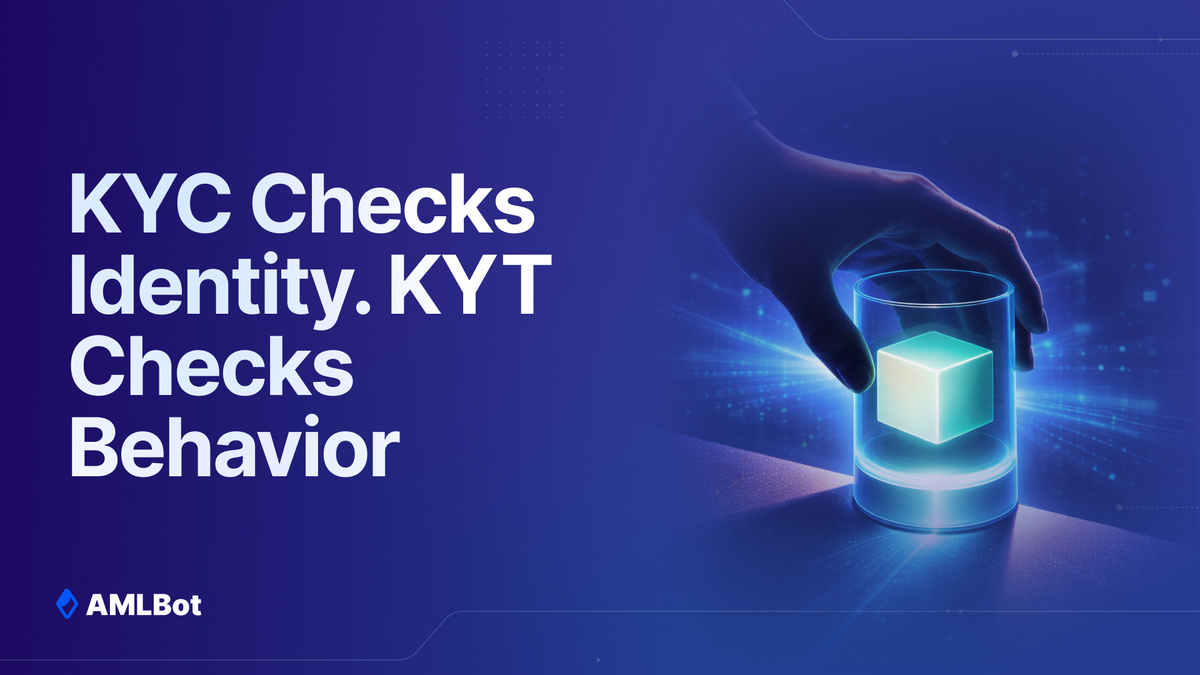
Most KYT platforms maintain a "watchlist" of sanctioned addresses, but they often exclude jurisdictions with weak AML laws. If your users operate in regions with limited regulatory oversight, ensure your provider updates its risk scoring models to reflect emerging threats from those areas rather than relying solely on static lists.
KYT solutions assign risk scores to wallets, but the frequency of these updates varies. Some providers score transactions only after they are confirmed on-chain, leaving a window where illicit funds can move through mixers or privacy coins before detection. Confirm whether your solution offers pre-transaction screening or real-time alerts to prevent exposure.
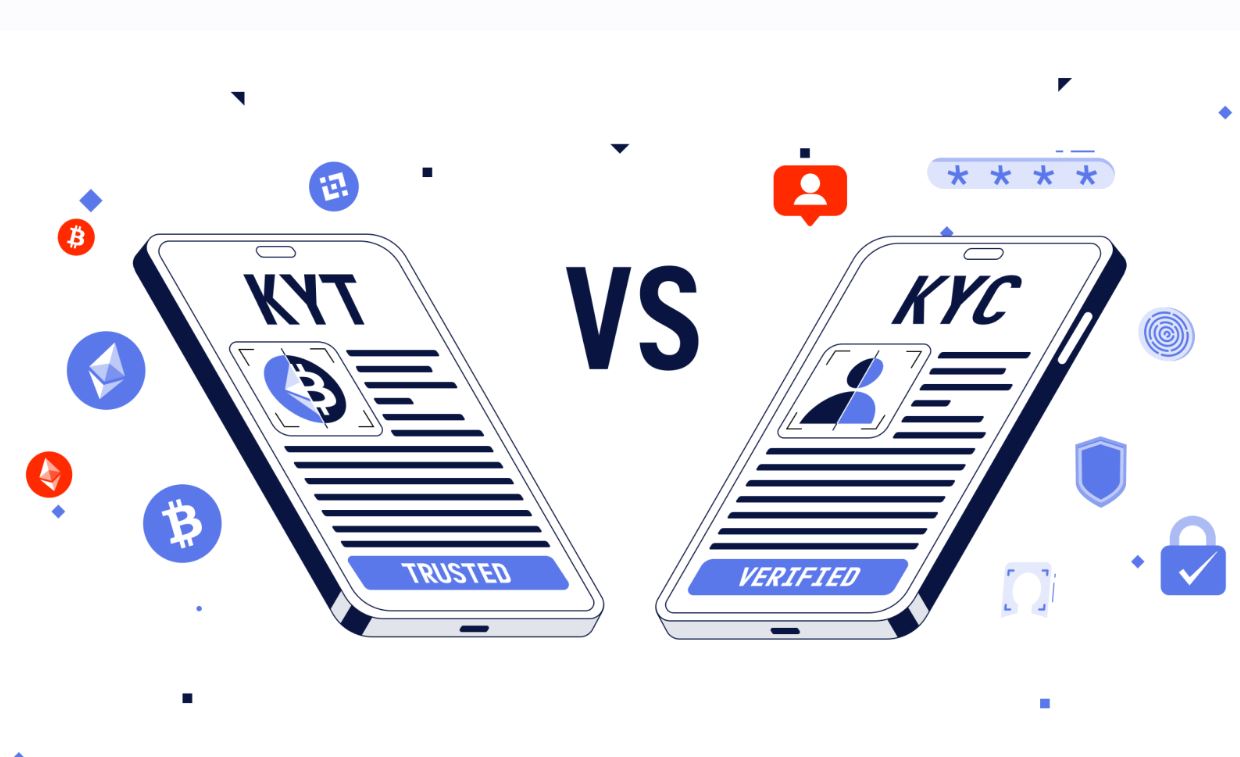
High-volume exchanges often flag legitimate activity as suspicious due to complex transaction patterns. Ask your vendor about their false positive rate and how their machine learning models distinguish between legitimate high-frequency trading and money laundering. A poor signal-to-noise ratio will slow down customer support and frustrate users.
KYT systems ingest vast amounts of blockchain data. Ensure your provider complies with GDPR and local data protection laws, particularly regarding the retention of transaction histories. Verify that sensitive user data is anonymized where possible and that you have clear controls over how long this data is stored.
Kyt monitoring 2026: what to check next
Addressing practical objections helps teams choose the right compliance layer. Here are the most common questions about Know Your Transaction (KYT) monitoring in 2026.
The shift from static checks to continuous monitoring is the primary driver for adoption. Teams that rely only on KYC often miss post-onboarding risks. KYT fills that gap by watching every transaction.
Helpful gear
Use these product recommendations as a starting point, then choose the size, material, and price point that fit how you actually use the gear.


As an Amazon Associate, we may earn from qualifying purchases.
No comments yet. Be the first to share your thoughts!