
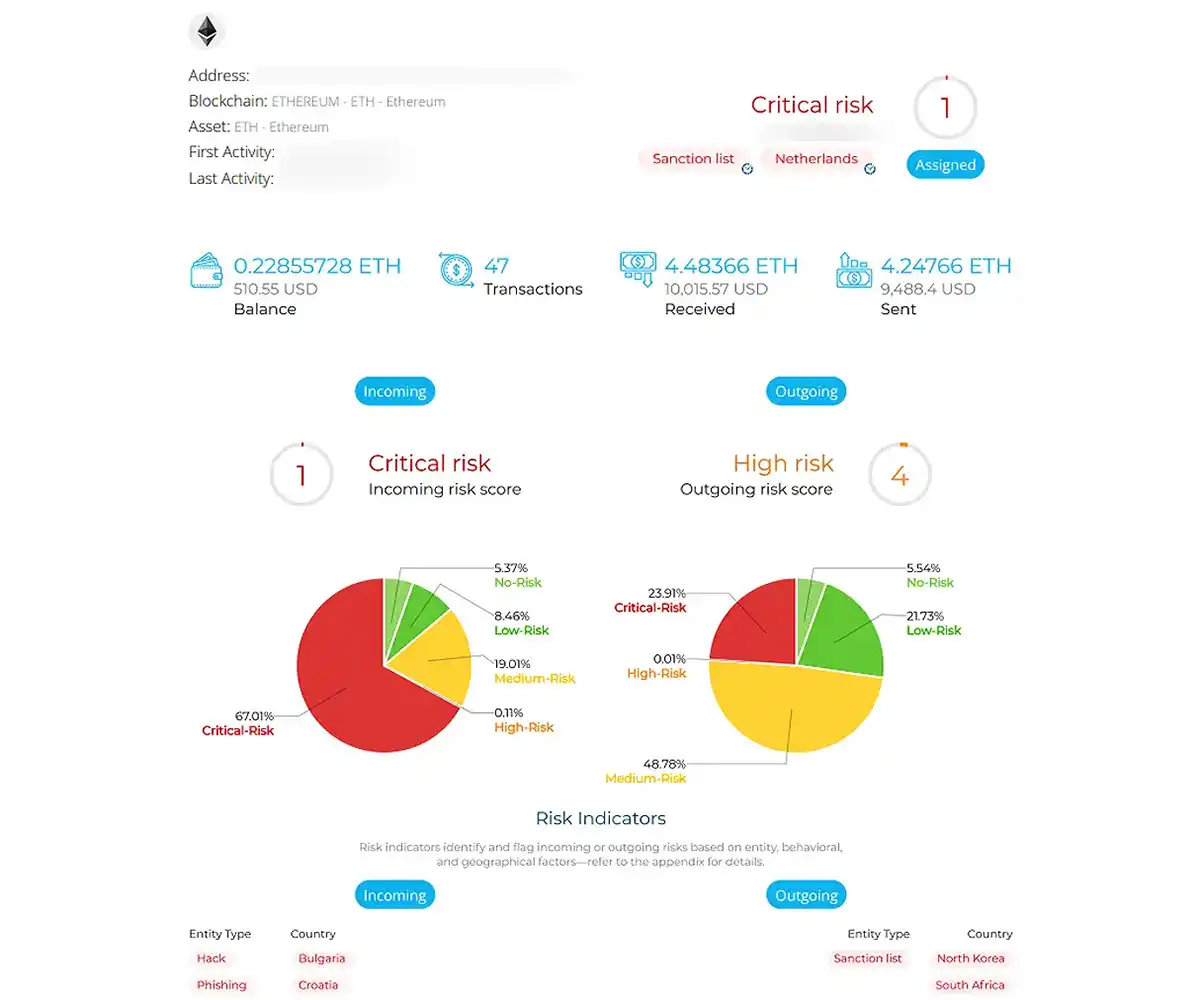
The KYT graph compliance landscape in 2026
Know Your Transaction (KYT) graph analytics has moved from a niche investigative tool to a core component of financial compliance infrastructure. In 2026, the primary driver for this adoption is the increasing complexity of global sanctions regimes. Regulators are no longer satisfied with static address screening; they require dynamic monitoring that can trace funds through layered corporate structures and decentralized finance protocols in real time.
The shift from reactive reporting to proactive risk mitigation is defined by the use of graph databases. Traditional relational databases struggle to map the non-linear relationships inherent in money laundering networks. Graph technology, by contrast, maps entities and their connections directly. This allows compliance teams to identify shell companies, beneficial ownership layers, and suspicious transaction patterns that would remain hidden in standard ledger reviews. As experts note, the current landscape is shaped by the need to integrate these graph-based insights with AI-driven anomaly detection to handle the volume of daily transactions.
This evolution is not merely technological but regulatory. Financial action task force (FATF) recommendations and local enforcement actions increasingly mandate the ability to trace fund flows beyond immediate counterparties. Institutions that fail to implement graph analytics risk significant penalties for failing to detect sanctioned entity interactions. The focus is now on reducing false positives through contextual data, allowing analysts to prioritize genuine threats rather than sifting through thousands of benign alerts.
AI tools for real-time monitoring
The integration of artificial intelligence into Know Your Transaction (KYT) graphs has shifted compliance from a reactive audit to a proactive defense mechanism. Traditional rule-based systems struggle with the complexity of modern money laundering, which often involves layered transactions across multiple jurisdictions and asset types. AI-driven models analyze these graph structures in real-time, identifying subtle patterns that indicate sanctions evasion or structuring before funds are settled.
These systems reduce false positives by learning the specific behavioral baselines of individual users. Instead of flagging every high-value transfer, the graph engine evaluates the context of the transaction within the broader network. It assesses the reputation of counterparties, the velocity of funds, and the geographic risk associated with the nodes involved. This contextual awareness allows compliance teams to focus on genuine threats rather than investigating benign activity.
The effectiveness of these tools is particularly evident during periods of high market volatility. As seen in the Bitcoin price chart above, rapid price movements often trigger increased transaction volumes and complex trading behaviors. AI models can distinguish between speculative trading noise and coordinated attempts to obscure illicit flows, maintaining accurate risk scores even when market conditions shift abruptly.
By embedding these AI capabilities directly into the KYT graph, financial institutions can achieve a higher degree of precision in their monitoring. This approach not only enhances regulatory compliance but also protects the integrity of the financial network by preventing the infiltration of sanctioned entities and criminal organizations.
Mapping hidden risks with knowledge graphs
Knowledge graphs transform raw transaction data into structured relationship maps, allowing compliance teams to visualize connections between entities that traditional rule-based systems miss. By modeling entities—such as individuals, accounts, and shell companies—as nodes and their interactions as edges, these systems reveal complex networks of illicit activity. This structural clarity is essential for identifying hidden clusters of suspicious behavior, such as layering in money laundering schemes or coordinated fraud rings.
The power of graph analytics lies in its ability to traverse multiple degrees of separation. While a single transaction might appear benign, a graph can trace the flow of funds through dozens of intermediate accounts to uncover the ultimate beneficial owner. This capability supports regulatory audits by providing a clear, auditable trail of relationships. Regulators increasingly expect institutions to demonstrate not just that they detected a suspicious event, but that they understand the broader context of the entity’s network.
Implementing these systems requires a shift from isolated data points to holistic entity profiles. Legal and compliance professionals must ensure that the graph schema captures all relevant attributes and relationship types to maintain accuracy. As regulatory expectations evolve, the ability to quickly generate comprehensive relationship reports becomes a critical component of effective risk mitigation.

Comparing KYT Solution Providers
Selecting a Know Your Transaction (KYT) provider requires evaluating how well graph analytics integrate with existing compliance workflows. Leading vendors differentiate themselves through AI-driven detection capabilities, real-time processing speeds, and the breadth of their sanctions list coverage. This comparison focuses on three primary market leaders to assist legal and regulatory teams in making evidence-based procurement decisions.
Provider Comparison
The following table outlines the core technical specifications of top-tier KYT solutions. These metrics reflect standard enterprise offerings as of early 2026.
| Provider | AI Capabilities | Real-Time Speed | Sanctions Coverage |
|---|---|---|---|
| Elliptic | Graph Neural Networks for entity resolution | < 100ms transaction analysis | Global OFAC, UN, EU, and HMT lists |
| Chainalysis | Supervised learning for pattern recognition | Sub-second risk scoring | Comprehensive global sanctions and PEP databases |
| TRM Labs | Deep graph analytics for fund tracing | Real-time API integration | Multi-jurisdictional sanctions and watchlists |
Integration and Compliance Depth
When comparing these providers, integration flexibility is as critical as detection accuracy. Most enterprise-grade KYT platforms offer RESTful APIs and webhooks that allow seamless integration with existing transaction monitoring systems. This ensures that risk signals are fed directly into compliance dashboards without manual data entry.
Sanctions coverage also varies in depth. While all major providers cover primary OFAC and UN lists, some offer more granular data on secondary sanctions and politically exposed persons (PEPs). For high-stakes compliance environments, verifying that a provider’s sanctions database is updated in real-time is essential to avoid regulatory penalties.
Recommendation
For organizations requiring deep fund tracing and complex entity resolution, TRM Labs and Elliptic provide robust graph analytics. For teams prioritizing rapid integration and broad, standardized sanctions coverage, Chainalysis remains a strong candidate. Evaluate each vendor against your specific risk appetite and existing tech stack before finalizing a contract.
Common compliance: what to check next
Implementing Know Your Transaction (KYT) systems often raises specific operational concerns for financial institutions. The following answers address frequent inquiries regarding cost structures, integration timelines, and regulatory expectations.
Institutions should evaluate vendors based on accuracy rates, false positive reduction capabilities, and support for real-time monitoring rather than relying solely on price. Regulatory bodies increasingly expect continuous monitoring rather than periodic reviews.
Helpful gear
Use these product recommendations as a starting point, then choose the size, material, and price point that fit how you actually use the gear.



As an Amazon Associate, we may earn from qualifying purchases.
No comments yet. Be the first to share your thoughts!