
Defining KYT Graph Analytics
Know Your Transaction (KYT) represents a shift from verifying identity to monitoring the movement of value. While Know Your Customer (KYC) focuses on who is behind an account, KYT examines the flow of funds themselves. This distinction is critical for compliance teams operating under 2026 regulatory frameworks, where the origin and destination of assets often matter more than the account holder's static profile.
Basic transaction monitoring relies on rule-based flags for predefined suspicious patterns. It acts like a security camera watching a single door. In contrast, graph-based KYT analytics maps the entire network of transactions. It visualizes relationships between addresses, revealing how funds cluster, mix, or move through layered intermediaries. This approach identifies illicit activity that simple threshold checks miss, such as structuring or complex mixing services.
The technical foundation of KYT lies in its ability to trace funds across multiple hops. By analyzing the graph structure of blockchain data, compliance systems can assign risk scores to transaction flows in real time. This allows financial institutions to intercept high-risk assets before they enter their custody, aligning with the continuous monitoring standards required by regulators.
The 2026 Regulatory Landscape
The crypto compliance environment in 2026 is defined by a decisive shift from retrospective reporting to proactive, real-time monitoring. Regulators globally are moving away from accepting periodic transaction logs, demanding instead that financial institutions and virtual asset service providers (VASPs) detect illicit activity as it occurs. This transition is driven by the implementation of the Financial Action Task Force (FATF) Travel Rule standards and the European Union’s Markets in Crypto-Assets (MiCA) regulation, which set strict timelines for compliance.
Under this new framework, KYT solutions are no longer optional enhancements but mandatory infrastructure. The distinction between traditional anti-money laundering (AML) checks and real-time KYT is critical. While traditional methods review historical data, KYT integrates directly into the transaction flow, assessing risk scores for funds before confirmation. This real-time capability allows platforms to freeze suspicious transfers instantly, reducing exposure to regulatory penalties and reputational damage.
The regulatory pressure is intensifying as major jurisdictions enforce stricter penalties for non-compliance. The US Department of the Treasury and the European Securities and Markets Authority (ESMA) are increasingly coordinating their enforcement actions, creating a unified global standard. For crypto businesses, this means that legacy compliance tools are insufficient. The market is consolidating around providers that offer granular, block-level analytics and seamless integration with blockchain explorers.
As the regulatory net tightens, the cost of inaction rises sharply. Companies that fail to implement robust KYT systems face not only heavy fines but also the revocation of operating licenses. The 2026 landscape rewards those who treat compliance as a core operational feature rather than a backend obligation.
Graph technology in AML detection
Traditional anti-money laundering (AML) systems rely on static, rule-based monitoring that flags transactions based on isolated thresholds. These legacy methods often miss the complexity of modern crypto laundering, where assets are moved through dozens of hops to obscure their origin. Graph technology changes this by mapping the entire relational network of wallets, exchanges, and illicit entities, allowing compliance teams to see the full picture rather than just individual data points.
In a graph database, every wallet address is a node and every transaction is an edge. This structure reveals indirect connections that rule-based systems ignore. For example, a wallet might appear clean in isolation, but if it receives funds from a known mixer or a sanctioned entity three hops away, the graph flags the entire cluster. This depth of analysis is essential for meeting the stringent requirements of the 2026 regulatory landscape, where regulators expect firms to understand the source of funds, not just the immediate sender.
The shift from linear tracking to graph-based analysis significantly reduces false positives. Rule-based systems often flag legitimate business activities as suspicious because they lack context. Graph analytics provide that context by analyzing behavioral patterns across the network. By understanding how funds flow through a cluster, compliance teams can distinguish between legitimate high-volume trading and deliberate layering techniques used to launder money.
This approach aligns with the core principles of KYT monitoring, which requires continuous assessment of risk. As regulatory scrutiny increases, the ability to visualize and audit these complex relationships becomes a critical compliance asset. Graph technology does not just detect money laundering; it provides the evidentiary trail needed to demonstrate due diligence to regulators and law enforcement agencies.
Key compliance challenges in 2026
Firms deploying KYT analytics must navigate a regulatory environment defined by speed, fragmentation, and opacity. The primary hurdle is no longer just data collection, but the ability to process cross-chain interoperability and high-volume transaction streams in real time. As digital asset markets mature, the latency between transaction execution and risk assessment becomes a critical liability.
Cross-chain bridges and decentralized exchanges create complex transaction paths that traditional siloed monitoring tools often miss. A single illicit transfer may hop across five different blockchains before reaching a centralized exchange. KYT systems must now maintain synchronized graph data across these disparate ledgers to trace the full origin of funds. Without this cross-chain visibility, firms risk blind spots that regulators increasingly view as compliance failures.
Privacy coins and advanced mixing protocols present a second layer of difficulty. While some jurisdictions have explicitly banned certain privacy-focused assets, others rely on transaction monitoring to detect suspicious patterns even when anonymity features are active. KYT solutions are under pressure to distinguish between legitimate privacy usage and illicit obfuscation without generating false positives that disrupt legitimate business operations.
The volume of data also strains infrastructure. With millions of transactions occurring daily across multiple networks, real-time processing requires significant computational resources. Delays in risk scoring can lead to frozen assets or missed reporting windows. Firms must balance the need for instantaneous analysis with the accuracy required to withstand regulatory scrutiny. The cost of implementing robust, real-time KYT infrastructure remains high, creating a barrier to entry for smaller entities.
Essential KYT Graph Tools Overview
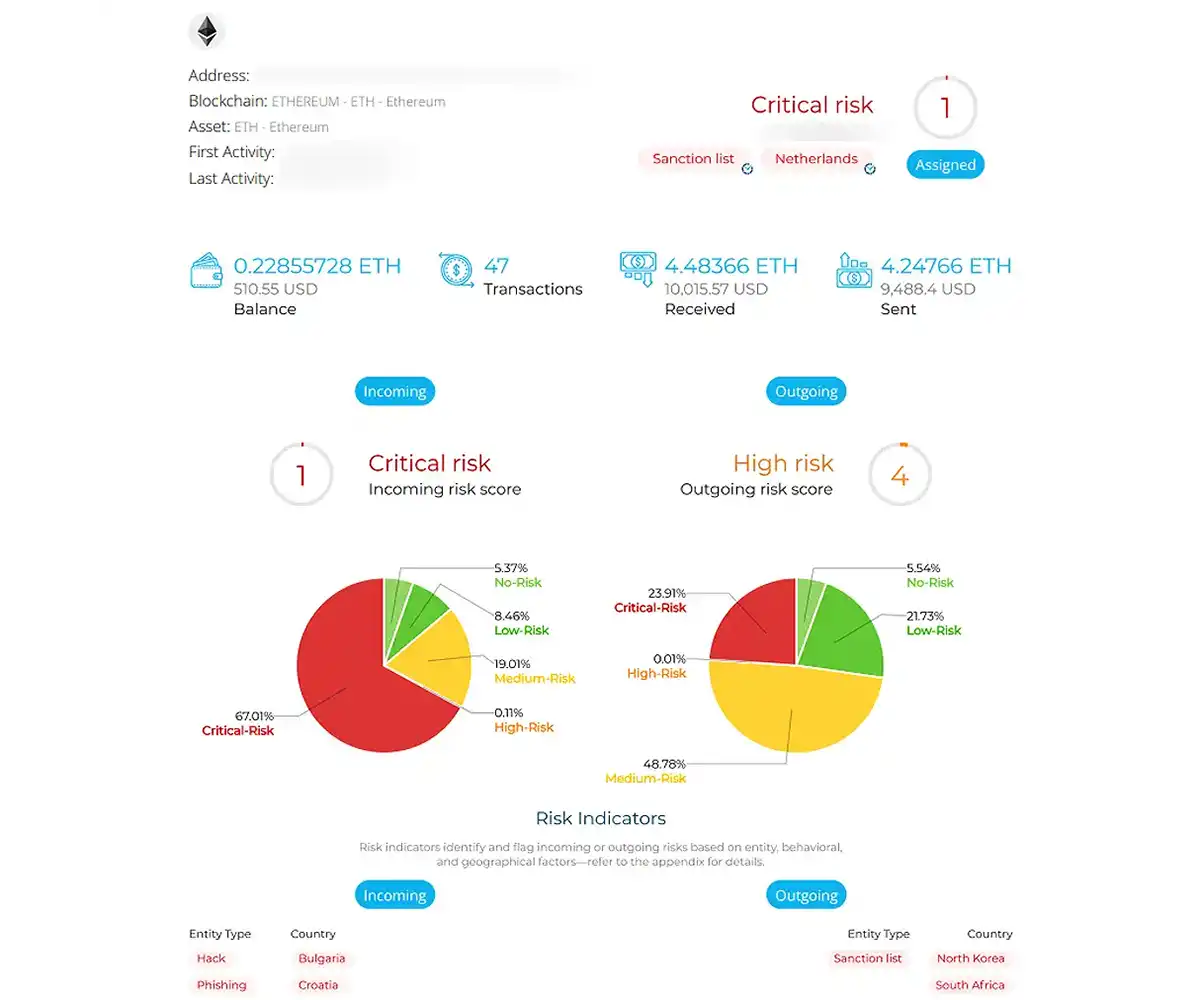
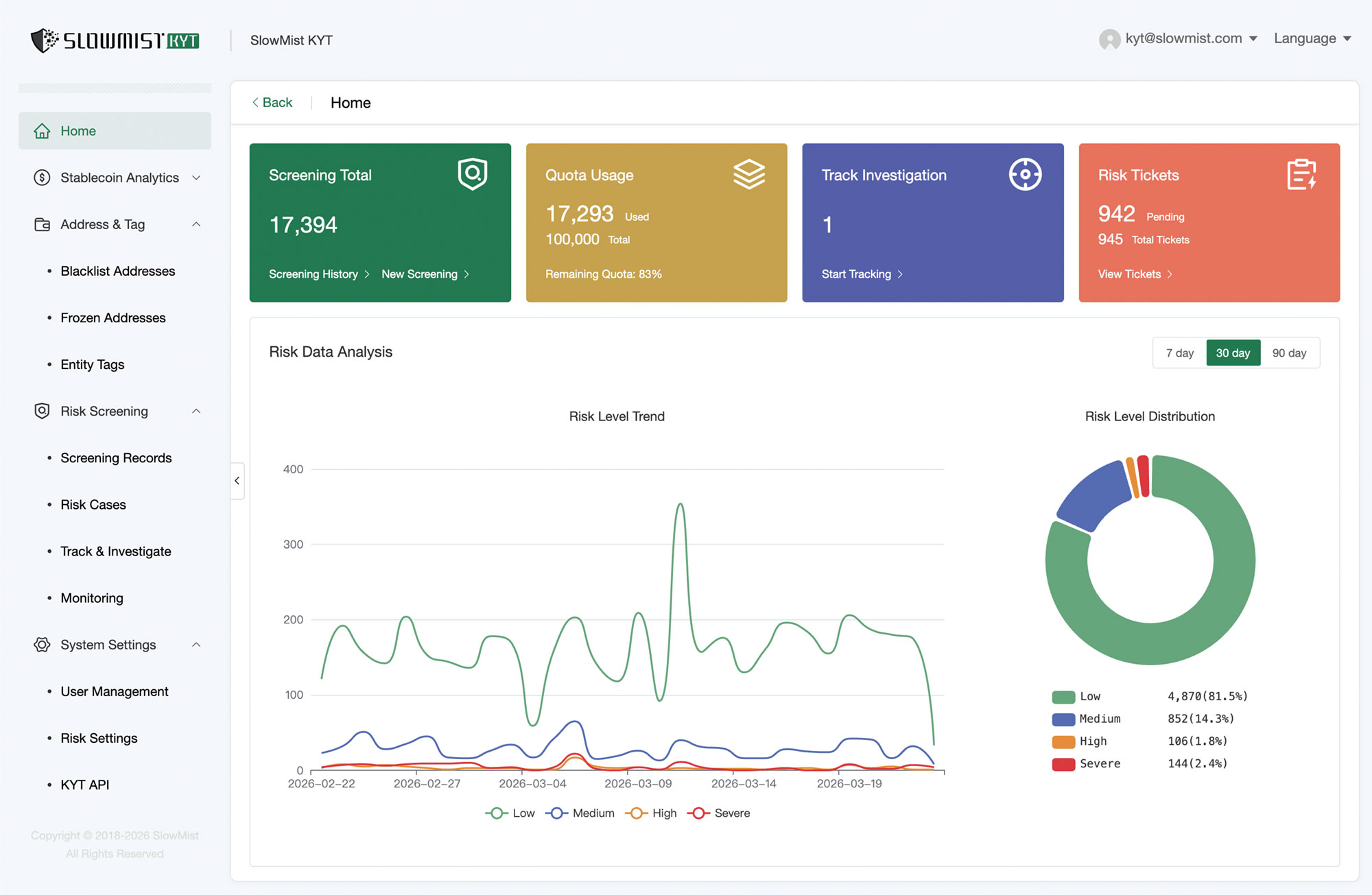
Regulatory compliance in 2026 requires more than simple address screening; it demands continuous, real-time analysis of the entire transaction graph. Leading platforms such as Chainalysis, Elliptic, and TRM Labs provide the infrastructure necessary to satisfy evolving legal standards. These tools map the flow of digital assets across blockchains, identifying clusters, mixers, and sanctioned entities with high precision.
Chainalysis Know-Your-Transaction (KYT) remains a standard for many institutional operators. The platform assesses the risk of transaction flows against a comprehensive database of illicit activity. Its strength lies in its ability to provide clear, actionable risk scores that integrate directly into existing compliance workflows. Similarly, Elliptic offers deep graph analytics that help financial institutions detect complex laundering schemes by tracing asset origins and destinations.
TRM Labs distinguishes itself with a focus on speed and coverage across a wide range of blockchains, including Layer 2 solutions and privacy-enhancing protocols. Its real-time monitoring capabilities allow compliance teams to intervene before funds are moved through multiple layers of obfuscation. For organizations managing high volumes of transactions, the choice often depends on specific blockchain coverage and integration depth rather than generic feature sets.
Market context for these compliance tools is tied to the broader crypto asset landscape. Regulatory scrutiny increases as market activity scales, making robust graph analytics a non-negotiable component of financial crime prevention.
Frequently Asked Questions About KYT
What is the difference between KYT and KYC?
KYC (Know Your Customer) verifies the identity of the user, while KYT (Know Your Transaction) monitors the flow of funds. KYC is a one-time or periodic identity check, whereas KYT is a continuous process that analyzes transaction history and real-time movement to detect illicit activity. Both are required for comprehensive compliance.
How does KYT detect money laundering?
KYT systems use graph analytics to trace the origin of funds across multiple blockchain hops. By mapping connections between wallets, exchanges, and known illicit entities (such as mixers or sanctioned addresses), KYT assigns risk scores to transactions. This allows compliance teams to identify layering and structuring techniques used to obscure the source of illicit assets.
What are the regulatory requirements for KYT in 2026?
Under 2026 frameworks like MiCA and enhanced FATF Travel Rule standards, VASPs are required to implement real-time transaction monitoring. This includes screening incoming and outgoing funds against sanctions lists and detecting suspicious patterns before completion. Failure to maintain these systems can result in heavy fines or license revocation.
Which KYT tools are recommended for institutional use?
Leading institutional providers include Chainalysis, Elliptic, and TRM Labs. These platforms offer granular graph analytics, real-time risk scoring, and deep integration with exchange infrastructure. Selection typically depends on specific blockchain coverage, including Layer 2 and privacy protocols, and the ability to integrate with existing compliance workflows.
No comments yet. Be the first to share your thoughts!