
Kyt compliance 2026 choices that change the plan
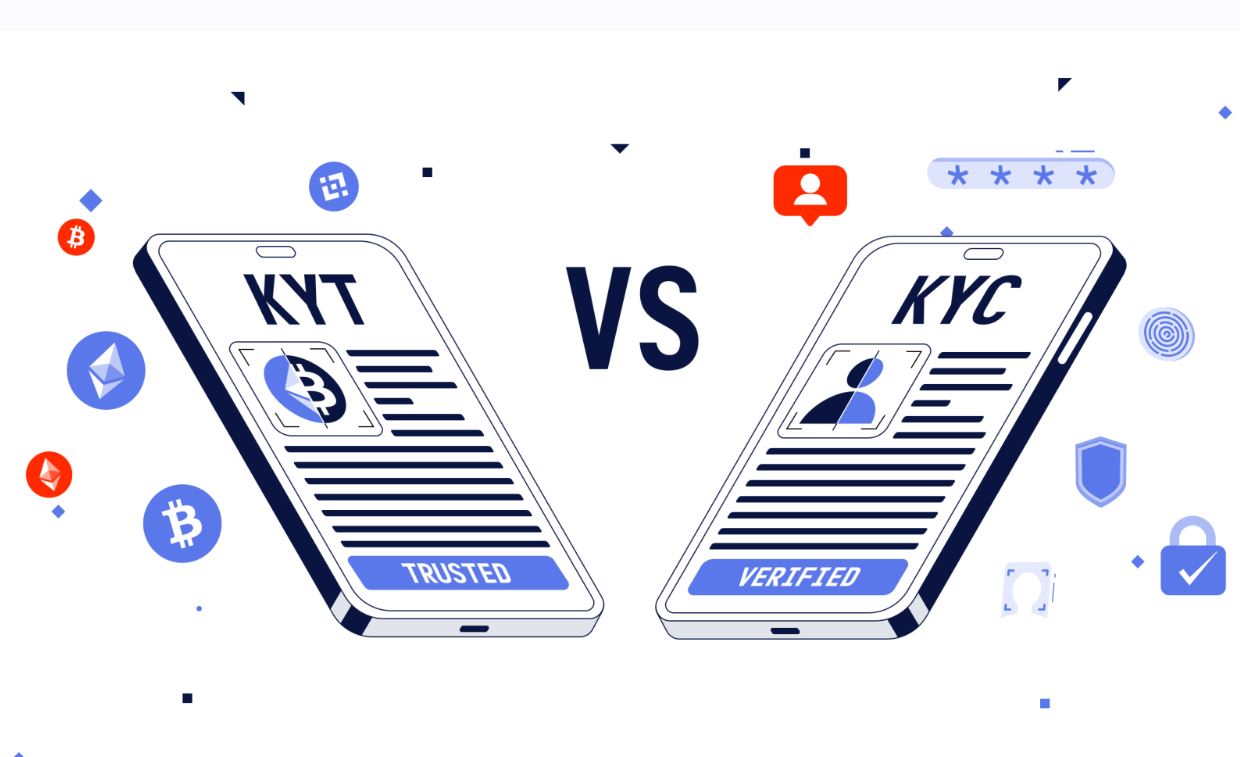
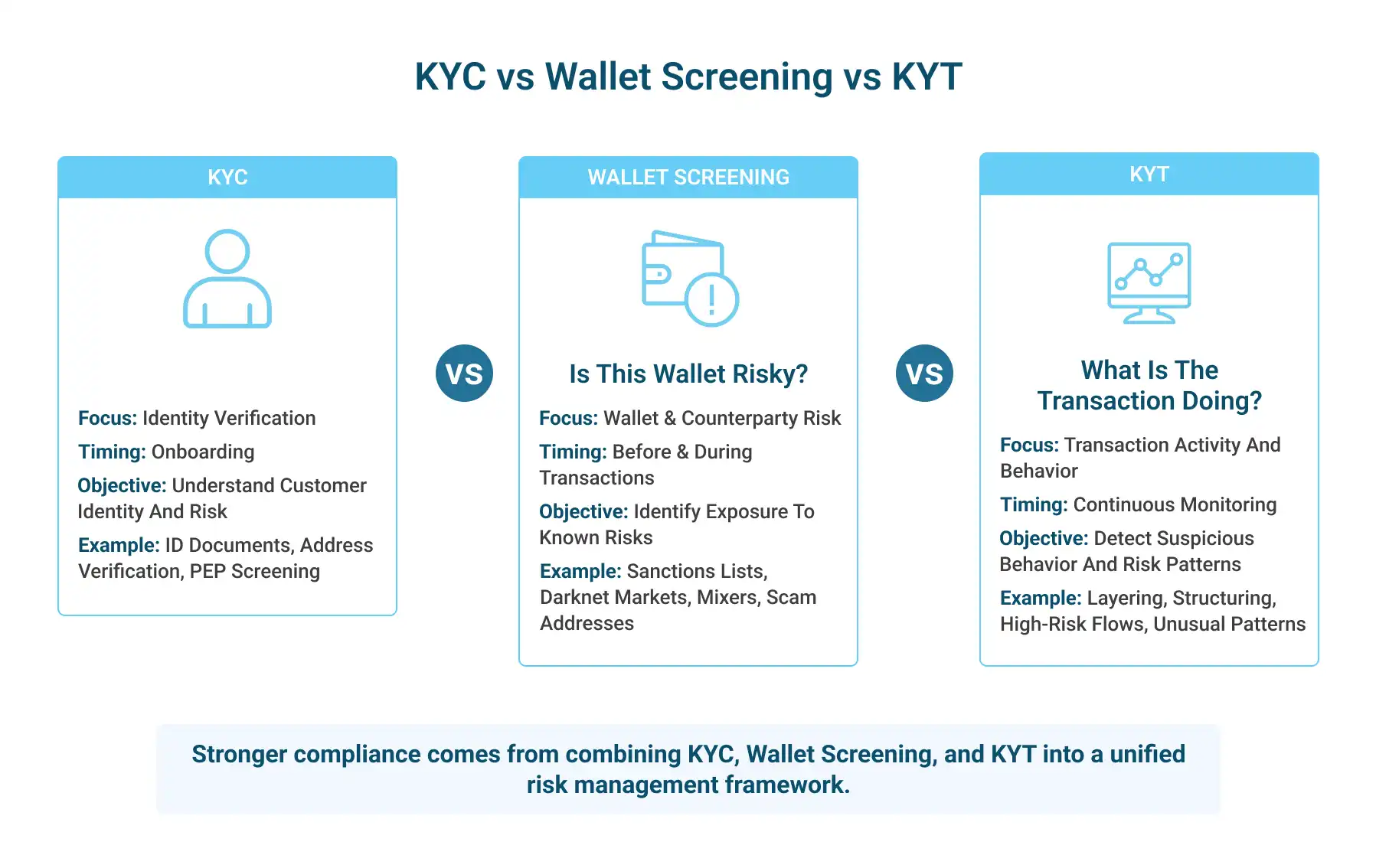
Use this section to make the KYC vs. KYT decision easier to compare in real life, not just on paper. Start with the reader's actual constraint, then separate must-have requirements from details that are merely nice to have. A practical choice should survive normal use, maintenance, timing, and budget. If a recommendation only works in an ideal situation, call that out plainly and give the reader a fallback path.
| Factor | What to check | Why it matters |
|---|---|---|
| Fit | Match the option to the primary use case. | A good deal still fails if it does not fit the job. |
| Condition | Verify age, wear, and service history. | Hidden condition issues erase upfront savings. |
| Cost | Compare purchase price with likely upkeep. | The cheapest option is not always the lowest-cost option. |
Where each option wins
Use this section to make the KYC vs. KYT decision easier to compare in real life, not just on paper. Start with the reader's actual constraint, then separate must-have requirements from details that are merely nice to have. A practical choice should survive normal use, maintenance, timing, and budget. If a recommendation only works in an ideal situation, call that out plainly and give the reader a fallback path.
The simplest way to use this section is to write down the must-have criteria first, then compare each option against those criteria before weighing nice-to-have features.
Watchouts: Details Worth Checking
Real-time transaction monitoring (KYT) is powerful, but it is not a silver bullet. Compliance teams often mistake automated alerts for full compliance, overlooking critical gaps in data coverage and regulatory scope. Before deploying new tools, verify the following exclusions and risks to avoid false confidence.
Most KYT platforms rely on blockchain analytics. Ensure the provider covers all relevant chains and stablecoins your business uses. Gaps in coverage mean illicit funds can move through unmonitored assets without triggering alerts.
The Travel Rule requires transaction details for transfers over specific limits (often $1,000 or €1,000). Verify that your KYT system automatically captures and shares this data. Failure to comply can result in significant regulatory fines, regardless of how advanced your screening is.

High false positive rates waste compliance resources. Ask vendors for their historical accuracy metrics. A tool that flags 90% of transactions as suspicious is as dangerous as one that misses them, as teams will eventually ignore the alerts.
Regulations change rapidly. Ensure the vendor’s risk engine is updated for the latest 2026 crypto rules in your jurisdiction. Static rule sets become obsolete quickly, leaving your business exposed to new money laundering vectors.
Kyt compliance 2026: what to check next
As crypto oversight tightens, knowing how to monitor transactions in real time is no longer optional. Here are the answers to the most common compliance questions for 2026.
No comments yet. Be the first to share your thoughts!