
What KYT Graph Means for 2026 Compliance
The term "KYT graph" is a misnomer that often confuses readers searching for regulatory compliance tools. In 2026, the acronym KYT still refers to Know Your Transaction, a regulatory framework used to monitor cryptocurrency flows for illicit activity. However, the search results for this specific phrase are dominated by KYT Americas, a manufacturer of motorcycle helmets.
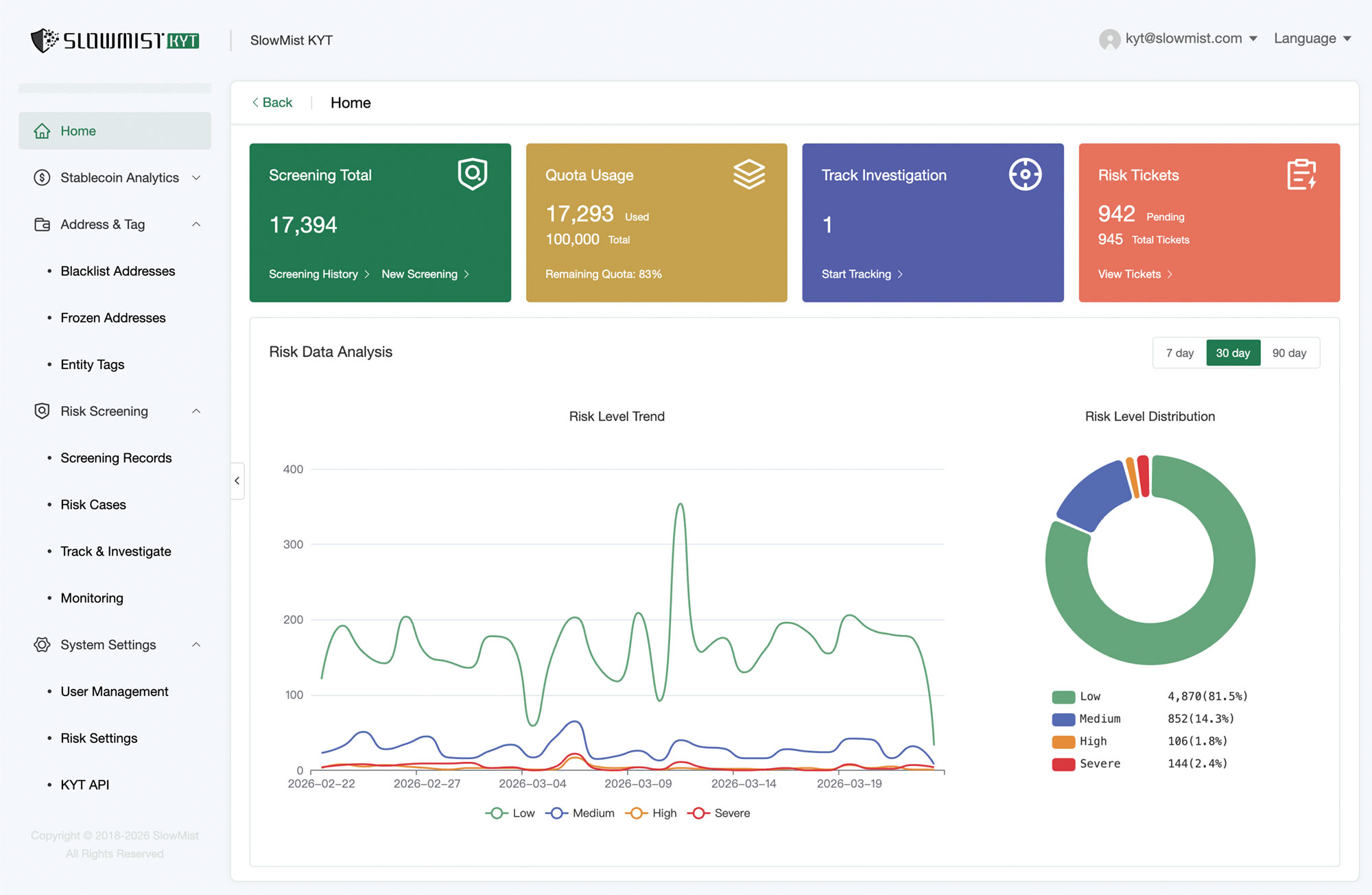
This discrepancy highlights a critical distinction for compliance officers and developers. When evaluating KYT solutions in 2026, you are looking for blockchain analytics platforms, not sporting goods. The "graph" in this context refers to the transaction graph—a visual representation of how funds move between wallet addresses. These graphs allow compliance teams to trace the origin and destination of assets in real-time, ensuring adherence to Anti-Money Laundering (AML) and Counter-Terrorist Financing (CTF) regulations.
Understanding this difference is vital before selecting a vendor. A robust KYT graph solution must integrate seamlessly with exchanges and wallets to provide instant risk scoring. It should flag high-risk addresses, such as those linked to darknet markets or sanctioned entities, before a transaction is finalized. This real-time monitoring capability is the cornerstone of effective regulatory compliance in the digital asset space.
Kyt graph 2026 choices that change the plan
Choosing a KYT helmet in 2026 requires balancing safety certifications, ventilation, and price. The "KYT Graph" refers to the performance curve where premium models offer marginal gains over budget options, but the jump from entry-level to mid-tier often yields the most significant safety and comfort improvements. Understanding these tradeoffs helps you avoid overpaying for features you won't use or underpaying for protection you need.
Shell Material: Fiberglass vs. Polycarbonate
Fiberglass and composite shells, found in models like the KYT TT REVO, are lighter and more impact-resistant than standard polycarbonate. This reduces neck fatigue during long rides. Polycarbonate shells, common in entry-level kits, are heavier but significantly cheaper. For track use, the weight savings of fiberglass justify the cost. For casual street riding, polycarbonate offers adequate protection at a fraction of the price.
Ventilation and Aerodynamics
High-speed stability and cooling are critical in 2026's hotter climate trends. Models with active venting systems and aerodynamic winglets, such as the KYT Samurai or TT REVO, manage airflow better than basic open-face designs. Poor ventilation leads to fogging and heat exhaustion. However, complex venting systems add weight and cost. If you ride primarily in urban traffic, simple venting is sufficient. For highway or track riding, advanced airflow management is non-negotiable.
Price and Certification Standards
KYT helmets range from $50 to $300. Entry-level models often meet DOT standards, which are minimal. Mid-range and premium models frequently carry ECE 22.06 or FIM certifications, offering superior impact absorption. The ECE 22.06 standard, introduced in 2024, tests for rotational impact, a leading cause of brain injury. Buying a helmet without ECE 22.06 or FIM certification in 2026 means accepting lower safety margins for a lower price.
| Model | Shell Material | Certification | Price Range |
|---|---|---|---|
| KYT TT REVO | Fiberglass Composite | ECE 22.06 / FIM | $250-$300 |
| KYT Samurai | Fiberglass Composite | ECE 22.06 | $150-$200 |
| KYT K-700 | Polycarbonate | DOT / ECE 22.05 | $80-$120 |
| KYT R-Series | Polycarbonate | DOT | $50-$80 |
How to choose the right KYT helmet for 2026
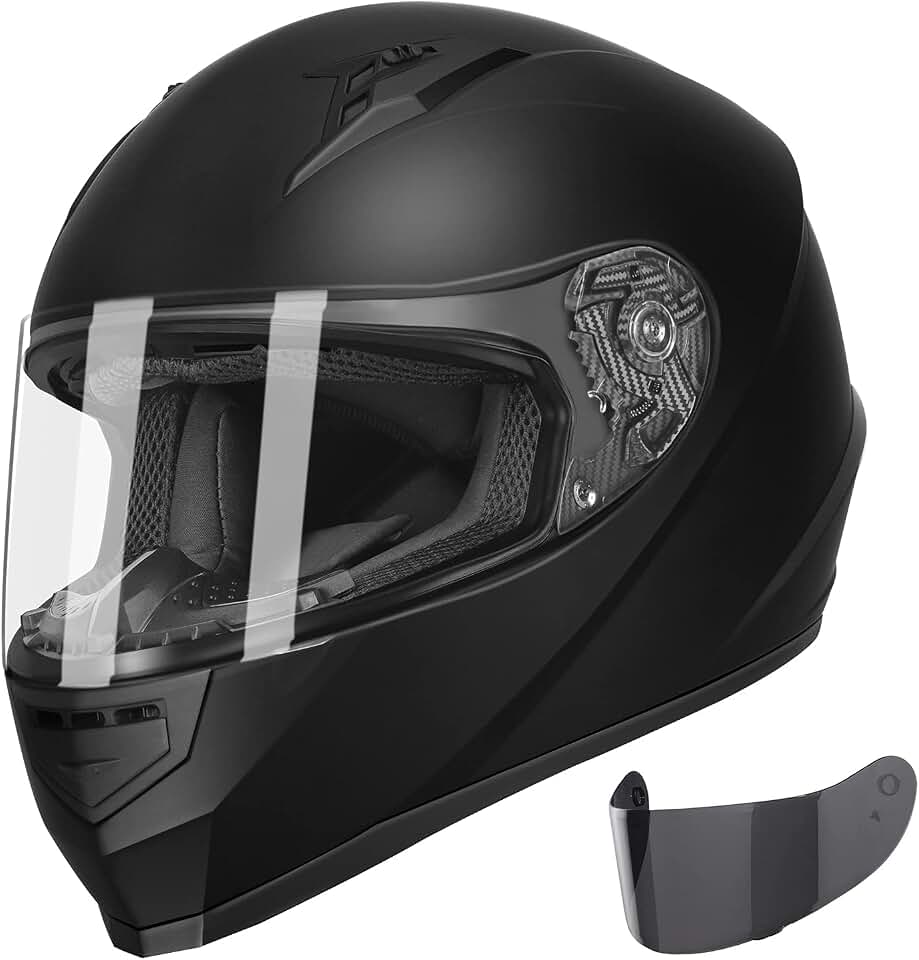
Selecting a KYT helmet requires balancing track performance with daily comfort. As a brand founded by Eddy Tedjakusuma, KYT has built a reputation for offering high-quality race-grade protection at accessible price points. For 2026, the decision framework hinges on three factors: certification standards, ventilation efficiency, and fit geometry.
Verify safety certifications first
Before evaluating aesthetics, confirm the helmet meets current safety standards. Look for DOT, ECE 22.06, or Snell certifications depending on your region and intended use. KYT helmets often feature Snell M2020i ratings, which provide a higher safety margin for track days. Do not compromise on certification for style; this is your primary defense in a crash.
Test ventilation and airflow
Good ventilation prevents fogging and reduces fatigue during long rides. KYT’s newer models typically include multi-channel intake systems and rear exhaust ports. When trying on a helmet, check if air flows freely through the chin bar and exits smoothly at the back. Poor airflow can lead to discomfort and distraction, negating the benefits of high-end materials.
Assess fit and comfort geometry
Helmet fit is personal and varies by head shape. KYT offers various shell sizes and liner shapes to accommodate different head profiles. Ensure the helmet sits level on your head without excessive pressure points. The cheek pads should be snug but not painful, and the chin strap must secure firmly without slipping. A proper fit is the difference between a safe ride and a dangerous one.


As an Amazon Associate, we may earn from qualifying purchases.
Compare features and value
KYT helmets often underprice competitors while offering similar specs. Compare features like pinlock-ready lenses, quick-release buckles, and emergency cheek pad removal systems. While budget-friendly, KYT maintains rigorous quality control. Read recent owner reviews to gauge real-world durability and customer service experiences.
Watchouts: Misleading Claims and Weak Options
Real-time transaction monitoring (KYT) promises instant compliance, but the market is flooded with weak options that miss the mark. Many providers overstate their detection capabilities, offering superficial screening that misses complex obfuscation techniques used in money laundering. Before committing to a platform, verify the depth of their on-chain analytics and whether they provide actual risk scoring or just basic address flags.
Common mistakes include ignoring the total cost of ownership. Some vendors advertise low entry fees but charge exorbitantly for API calls or data storage. Additionally, ensure the KYT solution integrates seamlessly with your existing tech stack; manual exports create bottlenecks and increase human error. Finally, check for regulatory updates. A system that isn't regularly updated with new sanctions lists and typologies will leave your compliance team exposed to significant fines and reputational damage.
Frequently asked: what to check next
Who owns KYT?
KYT was founded by Mr. Eddy Tedjakusuma, who established the brand as a "Racing Idea Project." Since 1980, he has led PT TARA Group, transforming it into one of the world's largest helmet manufacturers. This Indonesian heritage drives the brand's focus on high-impact protection and innovative design standards.
What is KYT Graph in 2026?
KYT Graph refers to the advanced data visualization and real-time transaction monitoring tools emerging in the 2026 regulatory landscape. These systems help compliance teams track complex financial flows, ensuring adherence to anti-money laundering (AML) regulations through clearer, more actionable insights.
How does KYT help with regulatory compliance?
By leveraging real-time analytics, KYT Graphs allow financial institutions to detect suspicious patterns instantly. This proactive approach reduces the risk of regulatory fines and helps organizations maintain strict adherence to evolving global compliance standards without manual bottlenecks.
Are KYT Graphs easy to integrate?
Yes, most modern KYT Graph solutions are designed for seamless integration with existing compliance platforms. They typically offer API support and standardized data formats, allowing teams to deploy monitoring capabilities quickly without disrupting current operational workflows.
No comments yet. Be the first to share your thoughts!