
KYT graph technology in 2026
Know Your Transaction (KYT) graph analytics have become the structural backbone of modern compliance. By 2026, regulatory frameworks no longer accept simple wallet screening as sufficient proof of due diligence. Compliance teams must now demonstrate a deep understanding of transaction flows, moving beyond isolated address checks to map the complex relationships between entities.
Graph analytics function like a forensic map of financial activity. Instead of viewing transactions as discrete events, this technology visualizes the connections between wallets, exchanges, and mixers. It identifies hidden connections and high-risk clusters that traditional rule-based systems consistently miss. This shift from linear tracking to network analysis allows institutions to spot laundering patterns that span multiple hops and jurisdictions.
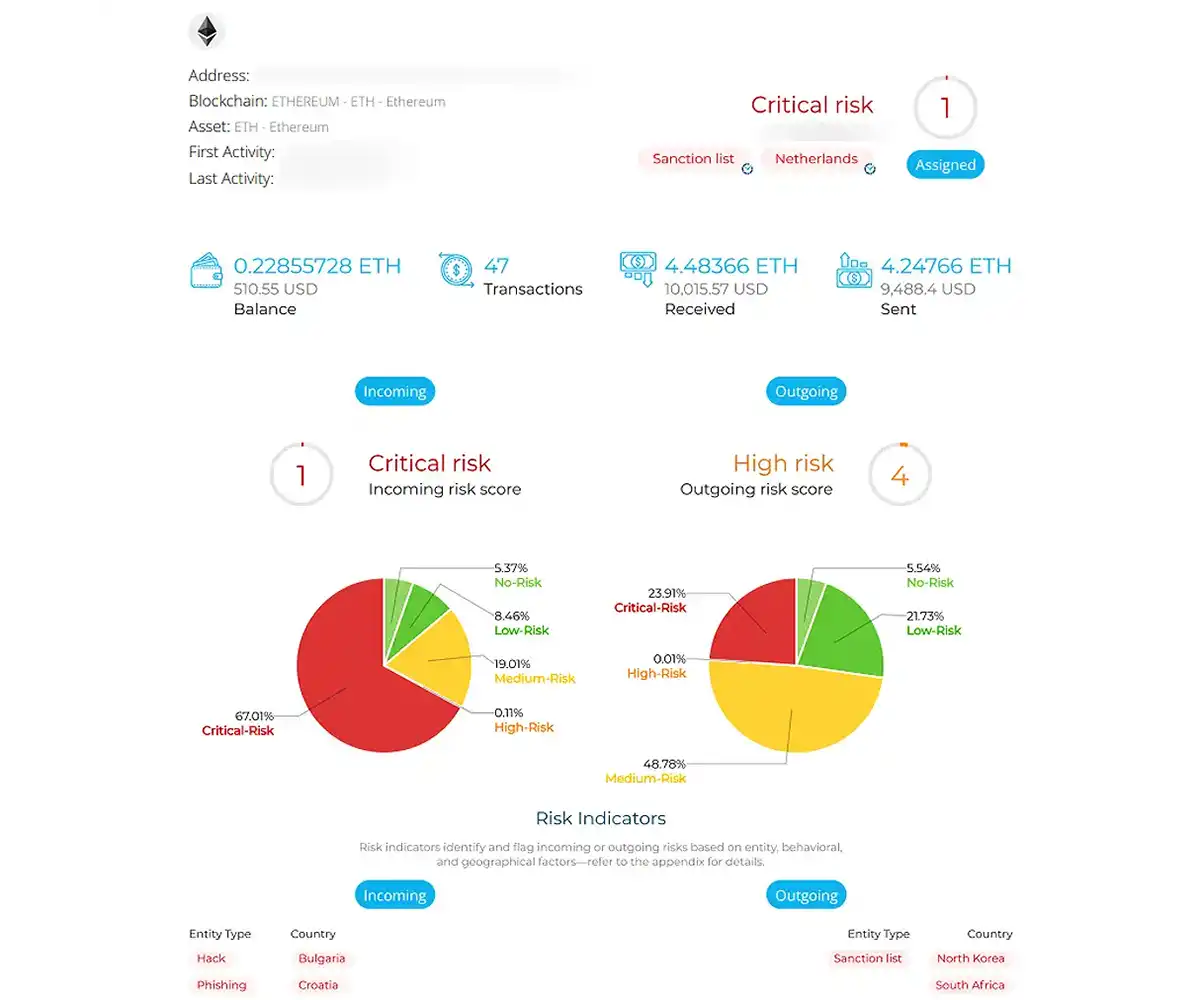
KYT graph analytics map transaction flows between wallets, identifying hidden connections and high-risk clusters that traditional rule-based systems miss.
The enforcement landscape has hardened accordingly. Regulators expect compliance programs to detect and report suspicious activity based on behavioral patterns, not just static blacklists. Graph technology provides the necessary depth to meet these expectations, offering a clear view of how funds move through an ecosystem. This capability is no longer optional; it is the baseline requirement for operating in a regulated crypto environment.
Regulatory shifts driving adoption
The compliance landscape for digital assets in 2026 has shifted from voluntary best practices to mandatory enforcement. Global regulators are closing loopholes that previously allowed decentralized exchanges and private wallets to operate without transparent oversight. For financial institutions and crypto-native businesses, this means that real-time graph analytics are no longer a competitive advantage but a fundamental requirement for legal operation.
The Financial Action Task Force (FATF) has tightened the interpretation of the Travel Rule, requiring virtual asset service providers (VASPs) to share originator and beneficiary information for transactions above specific thresholds. Manual compliance processes cannot keep pace with the volume of crypto transactions. Graph analytics provide the only scalable method to trace fund flows across multiple hops, ensuring that VASPs can identify and report suspicious activity in real time rather than after a breach has occurred.
In the United States, the Treasury Department’s Office of Foreign Assets Control (OFAC) has increased penalties for sanctions violations, targeting entities that use privacy coins or mixers to evade restrictions. The EU’s Markets in Crypto-Assets (MiCA) regulation further standardizes these requirements across member states, creating a unified but stringent framework. Non-compliance with these evolving standards carries severe financial and reputational risks. Real-time graph monitoring allows organizations to screen every transaction against updated sanctions lists and high-risk addresses instantly, preventing accidental violations before funds move.
Top KYT Graph Platforms for 2026
Selecting the right Know Your Transaction (KYT) graph platform requires matching specific compliance capabilities with your operational infrastructure. In 2026, the primary differentiator is not just data coverage, but the ability to process real-time screening against evolving global sanctions lists without introducing latency into transaction flows.
The following platforms represent the current market leaders for institutional-grade compliance. They are selected based on their ability to handle high-throughput screening, integrate with existing blockchain analytics, and provide audit-ready reporting for regulatory bodies.
Platform Comparison
The table below outlines the core capabilities of the leading KYT graph solutions. These metrics reflect current industry standards for throughput, coverage, and integration complexity.
| Platform | Throughput | Sanctions Coverage | Integration |
|---|---|---|---|
| Chainalysis | High | Global (OFAC, UN, EU) | API & GUI |
| Elliptic | High | Global (OFAC, UN, EU) | API & GUI |
| Scorechain | Medium-High | Global (OFAC, UN, EU) | API |
| TRM Labs | High | Global (OFAC, UN, EU) | API & GUI |
Key Selection Criteria
When evaluating these platforms, focus on three areas: real-time screening speed, the breadth of sanctions list coverage, and the ease of API integration. Real-time screening ensures that suspicious transactions are flagged before they are confirmed on-chain. Sanctions coverage must include all relevant global lists, including OFAC, UN, and EU sanctions. Integration ease determines how quickly your compliance team can deploy the tool and start monitoring transactions.
Compliance Hardware and Software
For organizations requiring additional security layers, hardware security modules (HSMs) and dedicated compliance workstations can enhance the integrity of your KYT operations. These tools help secure private keys and ensure that compliance data is processed in a secure environment.


As an Amazon Associate, we may earn from qualifying purchases.
Integrating KYT Graphs into Compliance Workflows
Compliance teams are shifting from batch processing to real-time API calls that block suspicious transactions before they settle. This transition is no longer optional; it is a structural requirement for navigating the 2026 regulatory landscape. Legacy systems, which typically analyze transaction history after the fact, leave institutions exposed to the rapid propagation of illicit funds across decentralized networks. Real-time graph analysis closes this window by evaluating risk at the point of initiation.
Implementing KYT graphs requires embedding risk scoring directly into the transaction lifecycle. When a user initiates a transfer, the system queries the graph database to trace the source and destination wallets against known threat indicators. If the risk score exceeds the institution’s threshold, the transaction is halted immediately. This proactive approach prevents the contamination of the institution’s balance sheet and satisfies the "travel rule" requirements mandated by bodies like the Financial Action Task Force (FATF). The goal is not just detection, but prevention.
The technical architecture for this integration relies on low-latency API endpoints that can process complex graph traversals in milliseconds. Compliance officers must configure these endpoints to align with their specific risk appetite. For high-risk corridors, the system can flag transactions for manual review while allowing low-risk activity to proceed. This balance ensures that regulatory scrutiny does not stifle legitimate business operations. The result is a compliance framework that is both robust and responsive to the dynamic nature of crypto assets.
Measuring compliance effectiveness
To validate a real-time KYT graph investment, compliance teams must move beyond simple uptime metrics and focus on operational efficiency. The primary indicator of success is the reduction of false positives. By leveraging graph analytics to distinguish between legitimate high-frequency trading and suspicious layering, firms can significantly lower the volume of alerts requiring manual review.
Time-to-screen is the second critical metric. Regulators expect immediate response to suspicious activity reports (SARs). A robust KYT graph reduces the latency between transaction detection and analyst review, ensuring that funds are frozen or reported within regulatory windows. This speed is not just about efficiency; it is a direct measure of audit readiness.
Finally, audit readiness should be measured by the completeness of the investigative trail. A successful implementation provides a clear, immutable record of all entity relationships and transaction paths. This ensures that when regulators request documentation, the firm can produce a comprehensive narrative of the investigation, demonstrating due diligence and adherence to global standards.
No comments yet. Be the first to share your thoughts!