
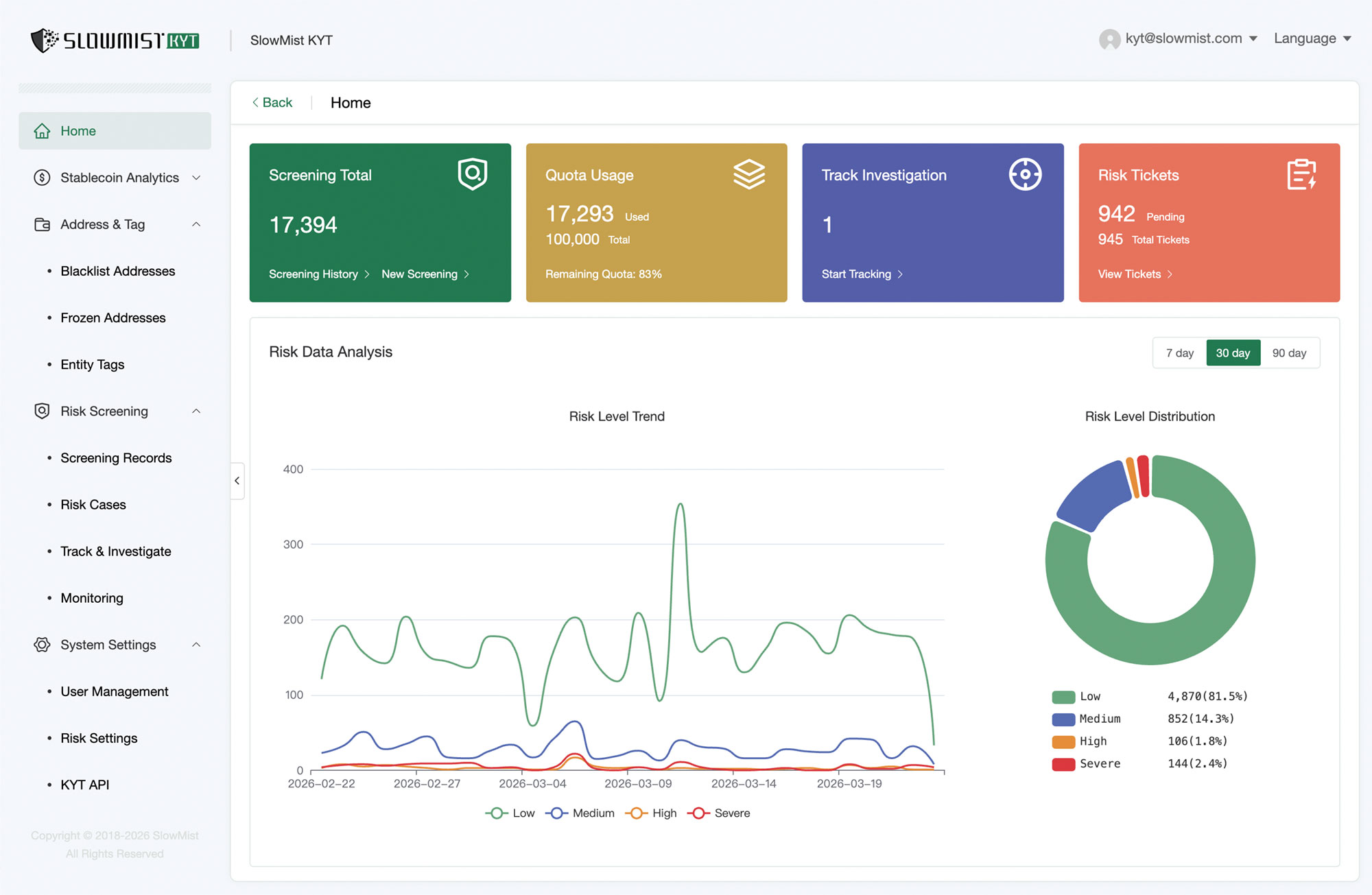
KYT Graph 2026 Market Overview
The shift toward graph-based analytics in 2026 marks a structural change in how financial institutions approach Anti-Money Laundering (AML) compliance. Traditional rule-based screening systems are increasingly insufficient against sophisticated crypto laundering techniques that rely on complex transaction networks and rapid asset fragmentation. KYT Graph tools address this by mapping relationships between wallet addresses, enabling compliance teams to visualize the flow of funds across multiple hops rather than evaluating isolated transactions.
This evolution is driven by the growing complexity of blockchain data. As DeFi protocols, mixers, and cross-chain bridges proliferate, the volume of suspicious activity has outpaced manual review capabilities. Graph databases allow for real-time analysis of these interconnected nodes, identifying patterns such as layering and integration that are often invisible to linear screening tools. The market is now consolidating around providers who can offer both high-fidelity graph rendering and regulatory-grade reporting standards.
Regulatory pressure from bodies like the Financial Action Task Force (FATF) has accelerated this adoption. Institutions are no longer just screening for known bad actors; they are required to assess the risk exposure of their entire customer base against evolving threat intelligence. KYT Graph solutions provide the necessary infrastructure to monitor these dynamic networks continuously, reducing the latency between a suspicious transaction and the compliance response.
The competitive landscape reflects this demand for deeper analytical depth. Leading providers are integrating machine learning models with graph theory to predict potential illicit pathways before they are fully executed. This proactive approach is becoming a standard requirement for exchanges and custodians seeking to maintain their operating licenses in an increasingly scrutinized market.
Top KYT tools for 2026 compared
Selecting a KYT provider in 2026 requires balancing real-time transaction monitoring with deep graph analytics capabilities. For institutions managing high-stakes compliance, the choice between Chainalysis, Elliptic, TRM Labs, and emerging alternatives like Merkle Science or Didit hinges on specific regulatory coverage and latency requirements. This comparison evaluates these platforms based on their ability to detect illicit flows, their integration depth, and their adherence to global AML standards.
The following table outlines the core technical and operational differences between the leading KYT providers. Each tool offers distinct advantages depending on whether your primary focus is exchange compliance, institutional onboarding, or forensic investigation.
| Provider | Real-Time Latency | Graph Analytics Depth | Regulatory Coverage | Primary Use Case |
|---|
Choosing the right KYT solution
Selecting a KYT platform requires aligning technical capabilities with specific regulatory obligations and budget constraints. The landscape is defined by a trade-off between comprehensive, high-cost enterprise suites and specialized, agile screening tools. Your decision should prioritize the types of assets you monitor, the volume of transactions, and the depth of forensic detail required for your compliance team.
Assessing Regulatory Scope and Asset Coverage
Not all KYT tools cover the same regulatory frameworks or asset classes. Enterprise leaders like Chainalysis and Elliptic offer broad coverage across major blockchains and extensive sanction list integration, suitable for institutions facing strict global compliance mandates. However, if your operation focuses on emerging DeFi protocols or niche L2s, specialized providers like Merkle Science or Didit may offer more accurate labeling for these specific environments. Verify that the tool’s database includes the specific tokens and networks you transact on, as gaps in coverage can create blind spots in your AML program.
Evaluating Technical Infrastructure and Integration
The integration complexity of a KYT solution directly impacts your operational efficiency. Most enterprise tools require API integration with your existing transaction monitoring systems or blockchain explorers. Consider the latency requirements of your real-time screening needs. Some platforms offer instant API responses for high-frequency trading environments, while others may be better suited for batch processing of historical data. Ensure the tool provides robust documentation and SDK support to minimize engineering overhead during implementation.
Budget and Scalability Considerations
Pricing models vary significantly, ranging from flat annual licenses to usage-based fees per transaction or wallet screened. For high-volume operations, usage-based pricing can become prohibitive, making flat-fee enterprise contracts more predictable. Conversely, startups or smaller exchanges may benefit from tiered pricing that scales with transaction volume. Always request a demo that mirrors your actual transaction patterns to estimate costs accurately. Remember that the cheapest option may lack the forensic depth needed to defend against regulatory audits, making total cost of ownership a more relevant metric than initial price.
Helpful gear
Use these product recommendations as a starting point, then choose the size, material, and price point that fit how you actually use the gear.

![Karltys Upgrade Screen Protector 2025 2026 GMC Yukon 16.8-Inch [No Glare & Fingerprint] for Touchscreen Cover](https://m.media-amazon.com/images/I/61qmwNYMIyL._AC_UL960_QL65_.jpg)
As an Amazon Associate, we may earn from qualifying purchases.
No comments yet. Be the first to share your thoughts!