

Why graph analytics replace static screening
Traditional compliance relies on static screening: checking wallet addresses against a blacklist. This approach is fundamentally broken for 2026. Criminals use mixing services, layering transactions, and decentralized exchanges to obscure fund origins. A static list only sees the final destination, missing the complex web of interactions that define money laundering. By the time a blacklisted address appears in a transaction, the illicit funds have already moved through dozens of intermediate wallets.
Graph analytics shifts the focus from individual addresses to relationships. Instead of asking "Is this address bad?", graph tools ask "How is this address connected to known illicit activity?" This dynamic mapping tracks the flow of assets across the entire network, identifying patterns like clustering, circular transactions, and rapid layering that static lists cannot detect. It transforms compliance from a reactive gatekeeping task into a proactive risk assessment.
The result is a significant reduction in false positives and a higher detection rate for sophisticated laundering schemes. While static screening might flag 90% of legitimate transactions as suspicious due to their connection to tainted addresses, graph analytics can distinguish between innocent exposure and active participation in illicit networks. This precision is essential for maintaining operational efficiency while meeting stringent regulatory requirements.
How Real-Time Detection Mechanics Work
Real-time KYT solutions transform blockchain data into actionable intelligence by analyzing transaction paths instantly. Unlike static post-mortem audits, these systems flag anomalies before a transaction reaches final confirmation. This proactive approach is essential for compliance teams facing tightening regulatory deadlines and sophisticated money laundering techniques.
The process relies on graph analytics to map relationships between wallets, exchanges, and sanctioned entities. AI-driven models score risk in milliseconds, allowing platforms to freeze suspicious activity before it settles on the ledger.
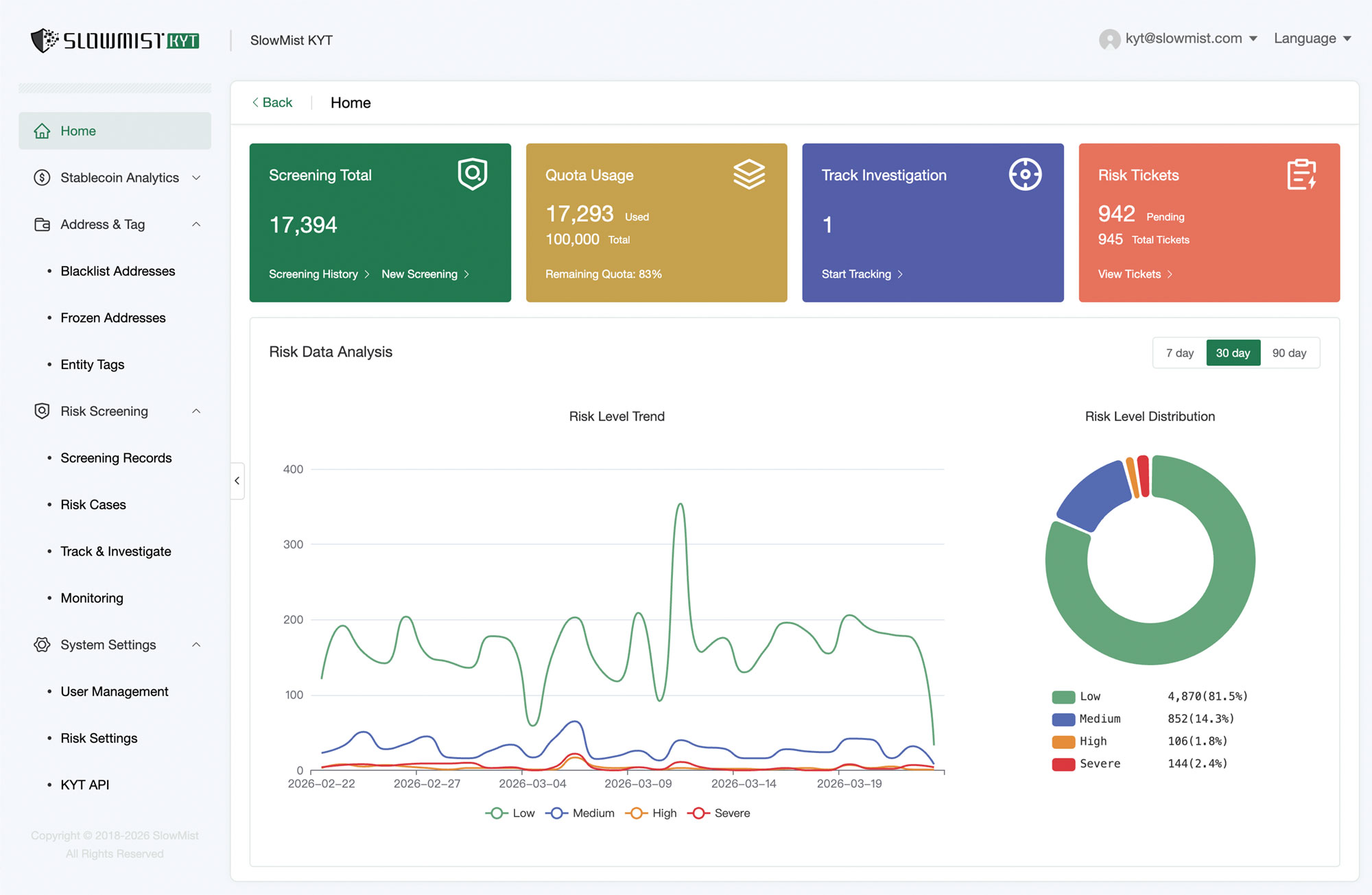
The system continuously monitors the mempool and confirmed blocks, capturing every transaction as it occurs. This real-time feed provides the raw data needed for immediate analysis, ensuring no movement goes unrecorded.
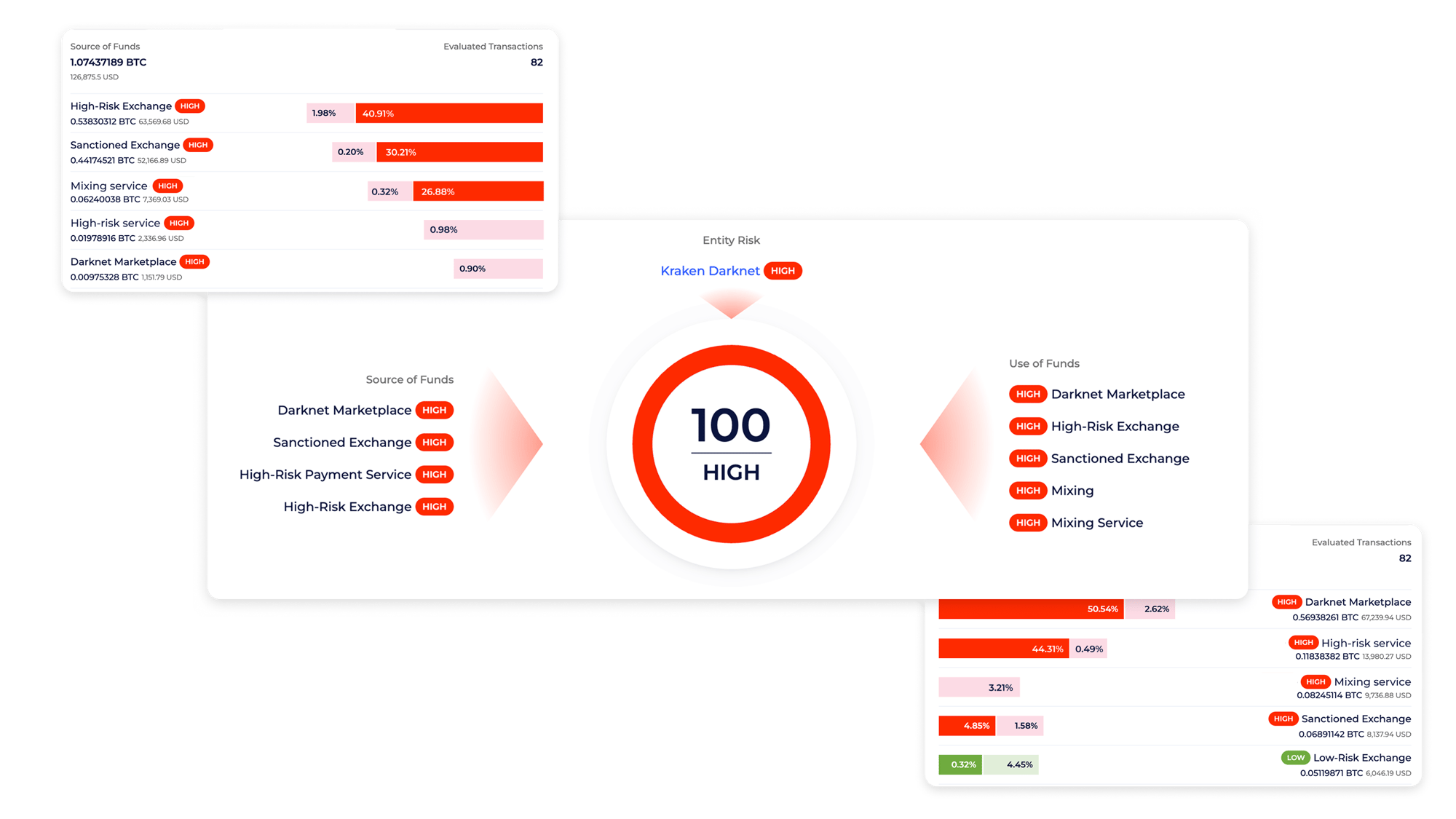
Each transaction is linked to previous and subsequent hops, creating a dynamic graph. This visualization reveals hidden connections between seemingly unrelated wallets, exposing complex layering schemes used to obscure illicit funds.
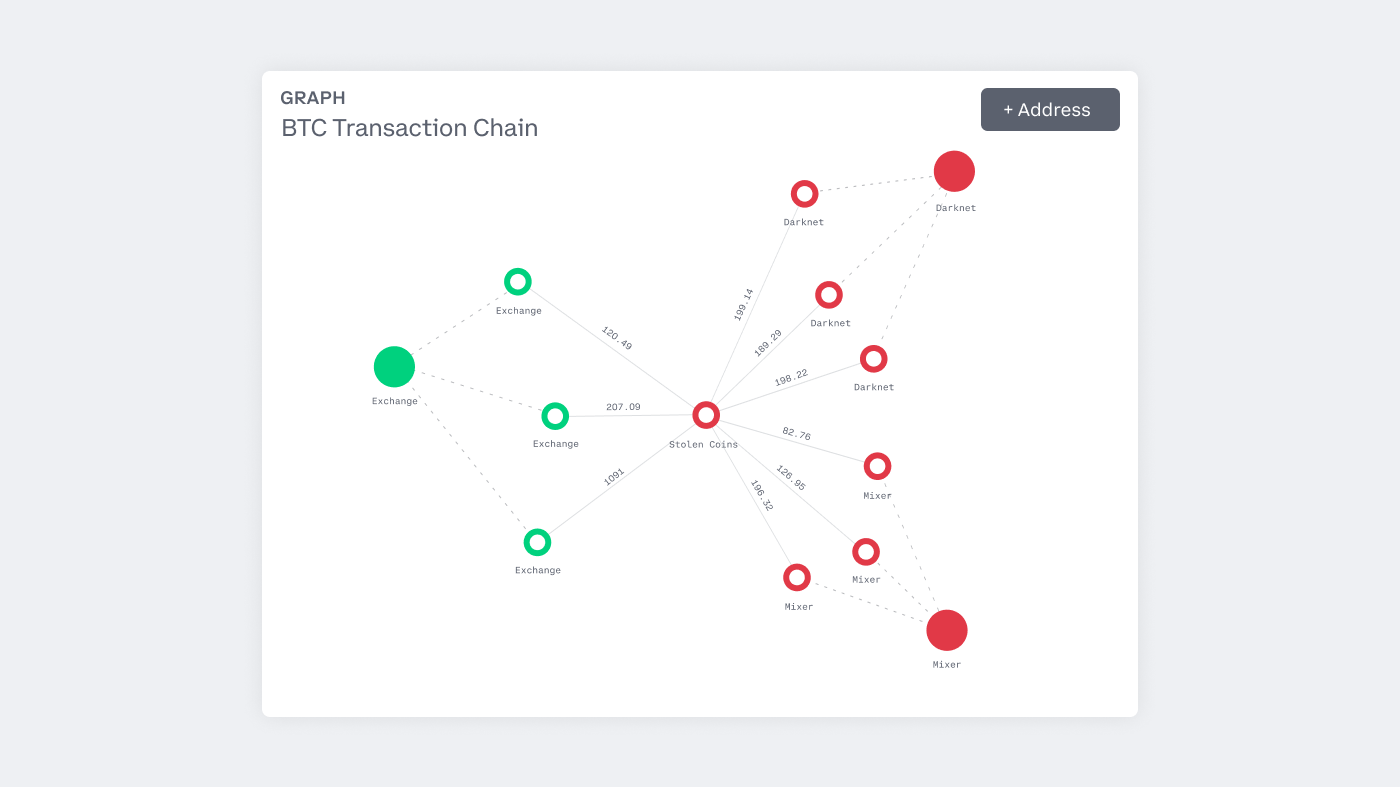
Machine learning models evaluate each node against historical patterns of fraud. The AI assigns a risk score based on factors like transaction velocity, counterparty reputation, and deviation from normal behavior, flagging high-risk paths instantly.
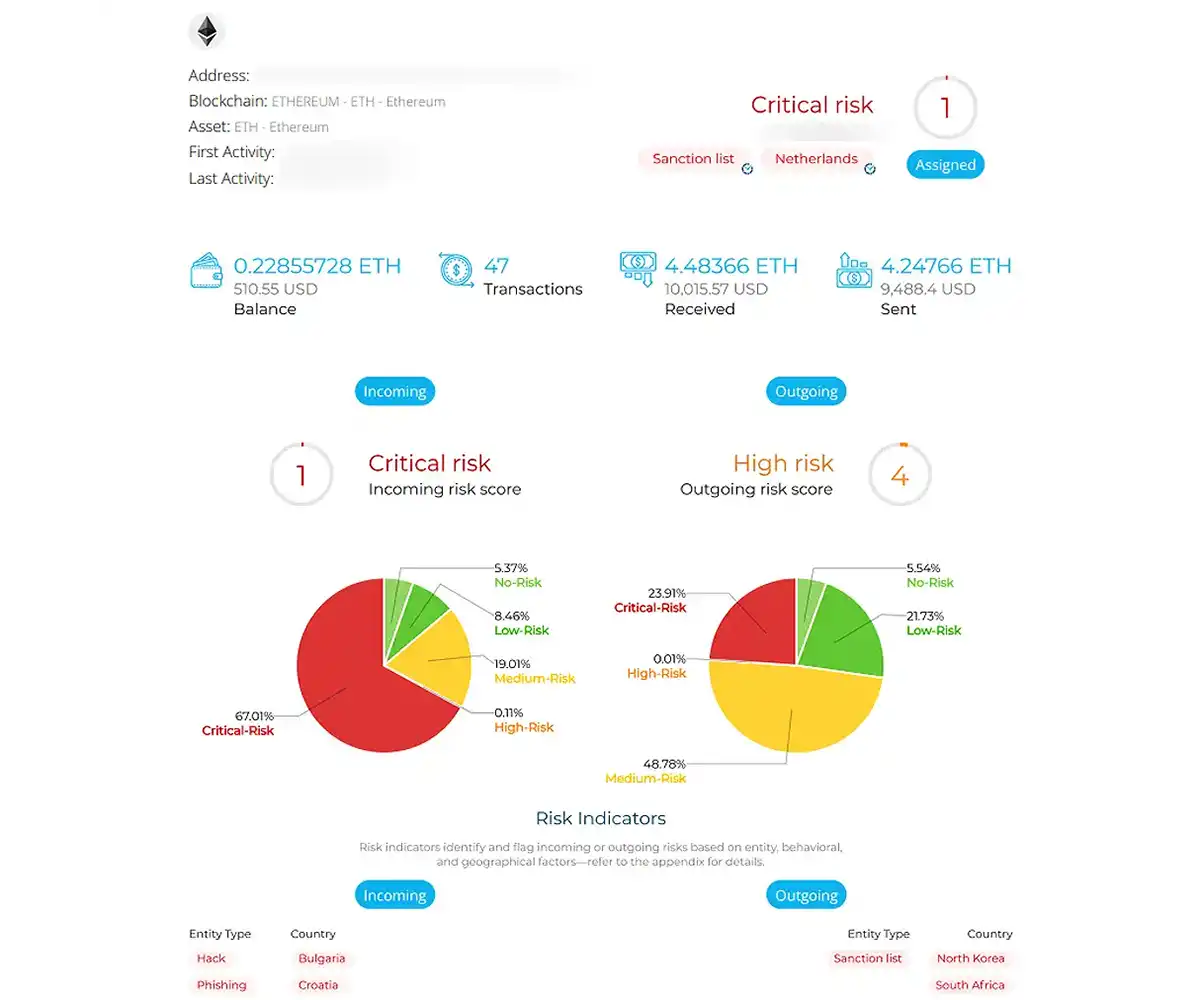
When a transaction exceeds predefined risk thresholds, the system triggers an automatic alert or freeze. Compliance officers receive detailed reports linking the suspicious activity to known threat actors, enabling rapid decision-making.
| Feature | Static KYT | Real-Time KYT |
|---|---|---|
| Analysis Timing | Post-transaction | Pre-confirmation |
| Risk Detection | Known patterns only | Anomalous behavior |
| Response Time | Hours to days | Milliseconds |
This mechanistic approach ensures that fraud detection keeps pace with the speed of blockchain transactions, providing a robust defense against evolving financial crimes.
2026 regulatory compliance requirements
The regulatory landscape for virtual assets has shifted from advisory guidelines to mandatory enforcement. In 2026, financial authorities are no longer asking for graph-based analytics; they are demanding them. The Financial Action Task Force (FATF) has tightened its interpretation of Recommendation 15, requiring Virtual Asset Service Providers (VASPs) to implement real-time transaction monitoring that can trace fund flows across multiple hops. This is not a suggestion for best practices—it is a baseline for operating licenses in major jurisdictions.
Traditional rule-based systems fail under this new scrutiny. Simple threshold alerts cannot distinguish between a legitimate high-volume exchange and a mixer laundering funds through a complex web of shell wallets. Regulators now expect VASPs to demonstrate "travel rule" compliance with precision. This means tracking the origin and destination of funds not just at the entry point, but through the entire transaction graph. If a platform cannot prove it has identified the beneficial owner behind a suspicious cluster of addresses, it faces immediate regulatory action.
The implementation of graph analytics addresses this gap by mapping relationships between entities in real time. Instead of viewing transactions as isolated events, compliance teams now use knowledge graphs to visualize the entire lifecycle of a deposit. This allows for the immediate flagging of interactions with sanctioned entities, darknet markets, or known scam contracts. The technology turns raw blockchain data into an auditable trail that satisfies examiners from bodies like FinCEN and the European Banking Authority.
Failure to adapt carries severe penalties. Recent enforcement actions have targeted platforms that relied on outdated screening tools, resulting in fines that exceed millions of dollars. The cost of non-compliance now outweighs the investment in advanced analytics. By integrating graph-based monitoring, firms can proactively mitigate risk, ensuring they remain operational as global standards converge on stricter transparency requirements.
Comparing KYT solution architectures
Choosing the right KYT architecture depends on your latency requirements and regulatory scope. The core trade-off is between the speed of on-chain analysis and the depth of off-chain intelligence. Most modern compliance frameworks require both, but the integration method dictates your risk coverage.
On-chain graph analytics provide immediate visibility into transaction flows and wallet clustering. These systems map direct connections between addresses, offering low-latency detection for known bad actors. However, they struggle with obfuscation techniques like mixers or cross-chain bridges unless paired with external data.
Off-chain integration layers bring in KYC data, sanctions lists, and entity resolution. This approach fills the gaps left by pure on-chain analysis, identifying the real-world entities behind addresses. The downside is higher latency and potential data privacy complexities when handling sensitive personal information.
The following comparison outlines how leading KYT providers structure these capabilities. Evaluate each column against your specific compliance deadlines and technical infrastructure.
For most regulated entities, the hybrid model offers the best balance. It captures real-time threats while maintaining a comprehensive view of the user’s risk profile. Pure on-chain solutions are often insufficient for full AML compliance, while off-chain-only systems miss critical transactional context.
Implementing graph analytics in 2026
Deploying graph analytics requires shifting from static rule sets to dynamic relationship mapping. This transition minimizes false positives by contextualizing transactions within the broader network rather than isolating individual addresses. The goal is to detect complex laundering patterns that evade traditional threshold-based monitoring.
Start by integrating graph databases with your existing KYT data streams. Map direct and indirect connections between wallet addresses to identify clusters associated with illicit activity. This structural visibility allows compliance teams to trace funds through multiple hops, exposing hidden links to sanctioned entities or mixers.
Calibrate your detection models using historical transaction data to reduce noise. Regularly update your graph schemas to reflect new obfuscation techniques, such as cross-chain bridges or decentralized exchange (DEX) swaps. Continuous refinement ensures your system adapts to evolving threats without overwhelming analysts with irrelevant alerts.
No comments yet. Be the first to share your thoughts!