
The KYT Graph 2026 market landscape
The Know Your Transaction (KYT) landscape in 2026 is defined by a decisive shift from reactive auditing to real-time transaction monitoring. As decentralized finance (DeFi) protocols mature, the lag between suspicious activity and on-chain settlement has become an unacceptable risk vector. Compliance teams no longer rely solely on post-hoc forensic analysis; they require immediate visibility into wallet behaviors as transactions are broadcast to the mempool.
This transition is driven by tightening regulatory frameworks, particularly the EU’s Markets in Crypto-Assets (MiCA) regulation and evolving guidance from the Financial Action Task Force (FATF). These standards mandate that virtual asset service providers (VASPs) implement robust anti-money laundering (AML) controls that function at the speed of blockchain. The "KYT Graph" refers to the underlying analytics infrastructure that maps these real-time flows, connecting disparate on-chain events to known entity risk profiles.
Market participants are increasingly integrating graph analytics engines directly into their smart contract deployment and transaction relay layers. This integration allows for pre-transaction risk scoring, where funds are flagged or blocked before they settle. The result is a security model that prioritizes prevention over remediation, fundamentally altering how DeFi platforms interact with traditional financial compliance standards.
Real-time monitoring vs legacy tools
Traditional compliance stacks rely on batch processing, a method that introduces a dangerous lag between a transaction's execution and its detection. In the context of DeFi, where block times are measured in seconds, this delay allows illicit funds to move through multiple protocols, mixers, or liquidity pools before a compliance team can even generate a report. By the time a legacy system flags a wallet, the assets are often untraceable or already laundered.
Real-time graph analytics changes this dynamic by evaluating transactions as they are broadcast to the mempool or confirmed on-chain. Instead of reviewing historical data in daily or weekly snapshots, these systems apply graph theory algorithms to map relationships and risk scores instantly. This approach aligns with the evolving expectations of regulators, who increasingly view real-time monitoring as a baseline for effective anti-money laundering (AML) programs rather than an optional enhancement.
The operational differences are stark. Legacy tools often produce high volumes of false positives because they lack context, flagging legitimate activity based on static rules. Real-time graph tools reduce noise by understanding the flow of funds. They can distinguish between a one-time error and a structured laundering attempt by analyzing the broader network topology. This precision allows compliance teams to focus on genuine threats rather than sifting through irrelevant alerts.
| Feature | Legacy Batch Tools | Real-Time Graph Analytics |
|---|---|---|
| Latency | Hours to days | Milliseconds to seconds |
| Detection Scope | Historical snapshots only | Mempool and live chain |
| False Positives | High (static rules) | Lower (context-aware) |
| Regulatory Fit | Reactive | Proactive |
The shift to real-time monitoring is not just a technical upgrade; it is a strategic necessity for any entity handling digital assets. As regulatory scrutiny intensifies, the ability to freeze or flag transactions before they settle becomes a critical control mechanism. Institutions that continue to rely on batch processing risk not only financial loss but also significant regulatory penalties for failing to implement adequate safeguards.
DeFi security trends in 2026
The decentralized finance landscape in 2026 is defined by speed and complexity. Smart contracts now execute thousands of transactions per second, creating a narrow window for malicious activity. Real-time transaction monitoring (KYT) has shifted from a compliance afterthought to a primary defense mechanism. Without immediate visibility, protocols remain vulnerable to exploits that drain liquidity in seconds.
Flash loan attacks remain the most persistent threat. These attacks leverage uncollateralized loans to manipulate asset prices within a single block, allowing attackers to drain reserves before the transaction finalizes. KYT Graph 2026 detects the pre-execution signatures of these complex, multi-step attacks. By analyzing the intent behind the transaction rather than just the outcome, the system flags anomalous price manipulations before they settle on-chain.
Mixer usage continues to complicate regulatory compliance. While privacy tools protect user data, they also obscure the origin of illicit funds. Regulators increasingly demand traceability, making it difficult for DeFi protocols to operate without robust screening. KYT Graph 2026 maps these obfuscated transactions to their source addresses, identifying high-risk entities even when they attempt to hide behind mixing services. This capability ensures protocols can maintain operational licenses while preserving user privacy where legally permissible.
The convergence of these threats requires a monitoring solution that operates at the speed of the blockchain. Static analysis is no longer sufficient. Protocols must integrate real-time KYT to identify and block suspicious transactions before they impact liquidity or violate regulatory standards.
Top crypto compliance tools
Selecting the right Know Your Transaction (KYT) solution requires aligning technical capabilities with regulatory mandates. The following tools represent the current standard for real-time transaction monitoring and risk analysis in DeFi environments.
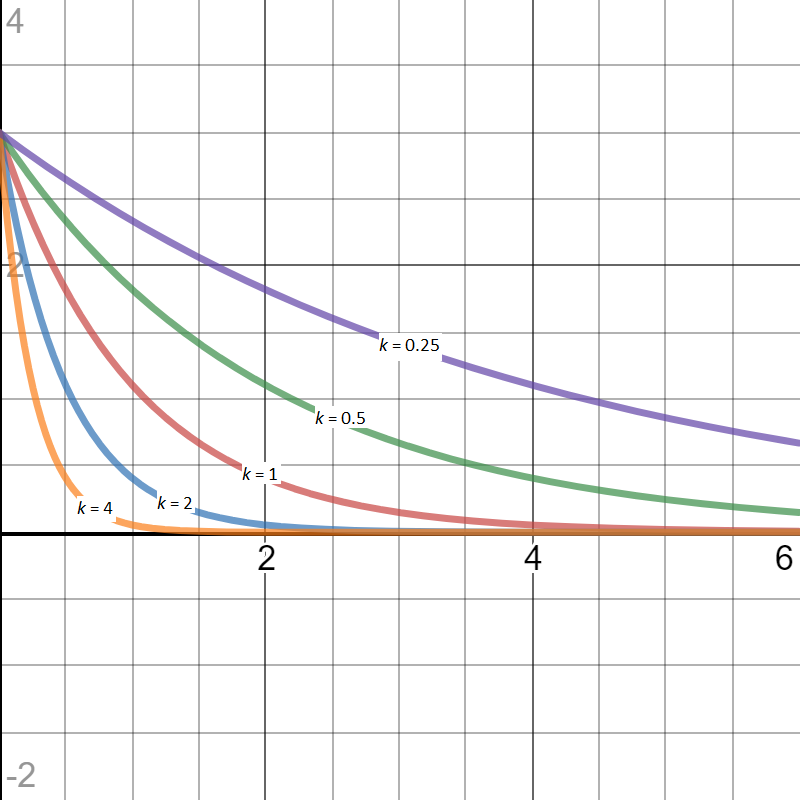
Scorechain provides a comprehensive risk scoring engine designed for institutional adoption. Its platform offers real-time transaction monitoring and detailed attribution analysis, allowing compliance teams to trace fund flows across complex DeFi protocols. The tool is particularly effective for identifying high-risk entities and ensuring adherence to FATF Travel Rule standards. For organizations prioritizing deep forensic capabilities and regulatory reporting, Scorechain serves as a robust foundational layer for KYT Graph implementation.
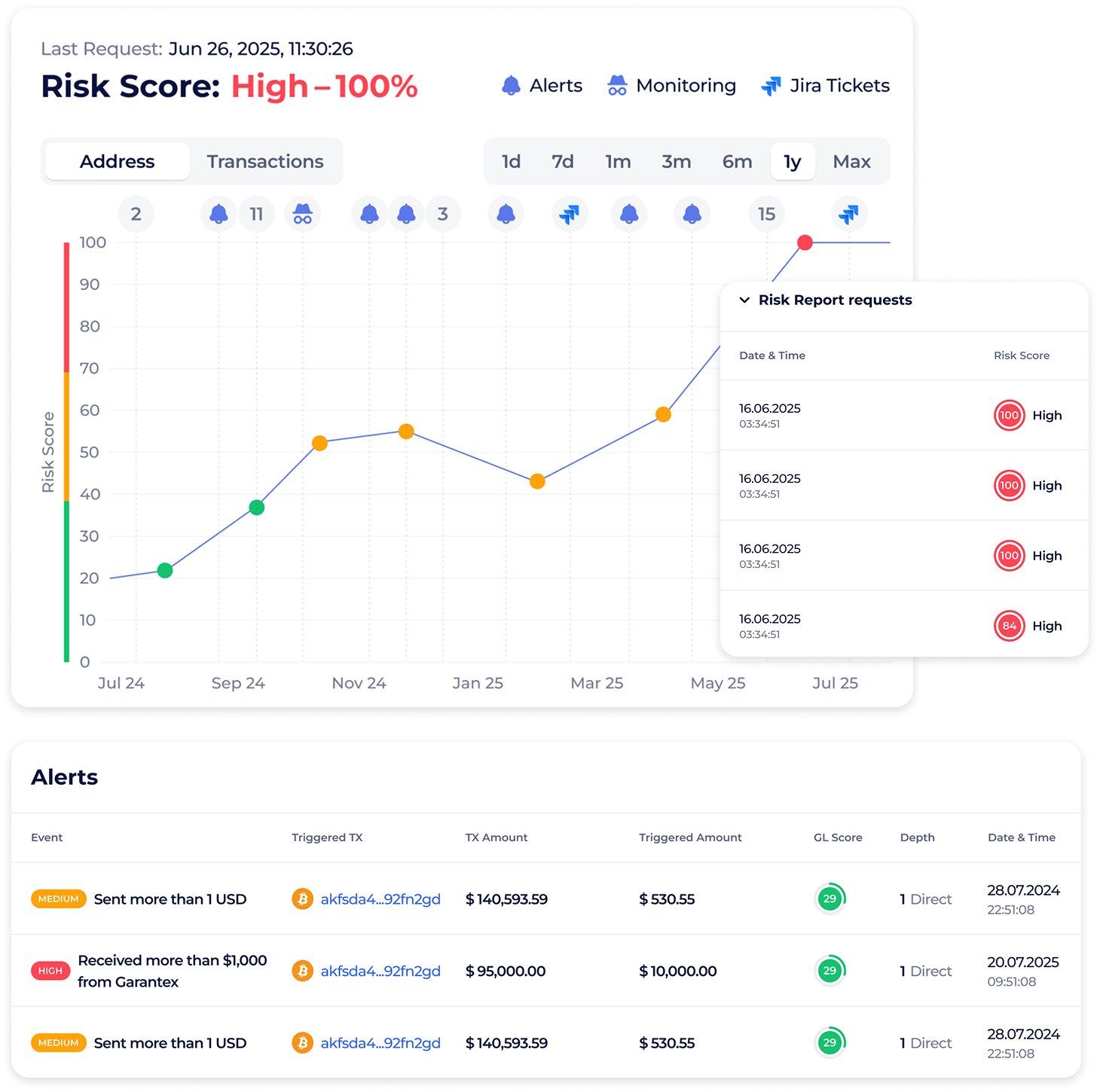
Chainalysis remains the dominant player in blockchain intelligence, offering a suite of tools including Reactor for compliance workflows and KYT for real-time risk scoring. Its extensive database of labeled addresses and entities provides high-confidence attribution, which is critical for navigating the evolving regulatory landscape. The platform’s integration capabilities allow financial institutions to embed compliance checks directly into their transaction processing pipelines, reducing manual review overhead while maintaining audit trails.
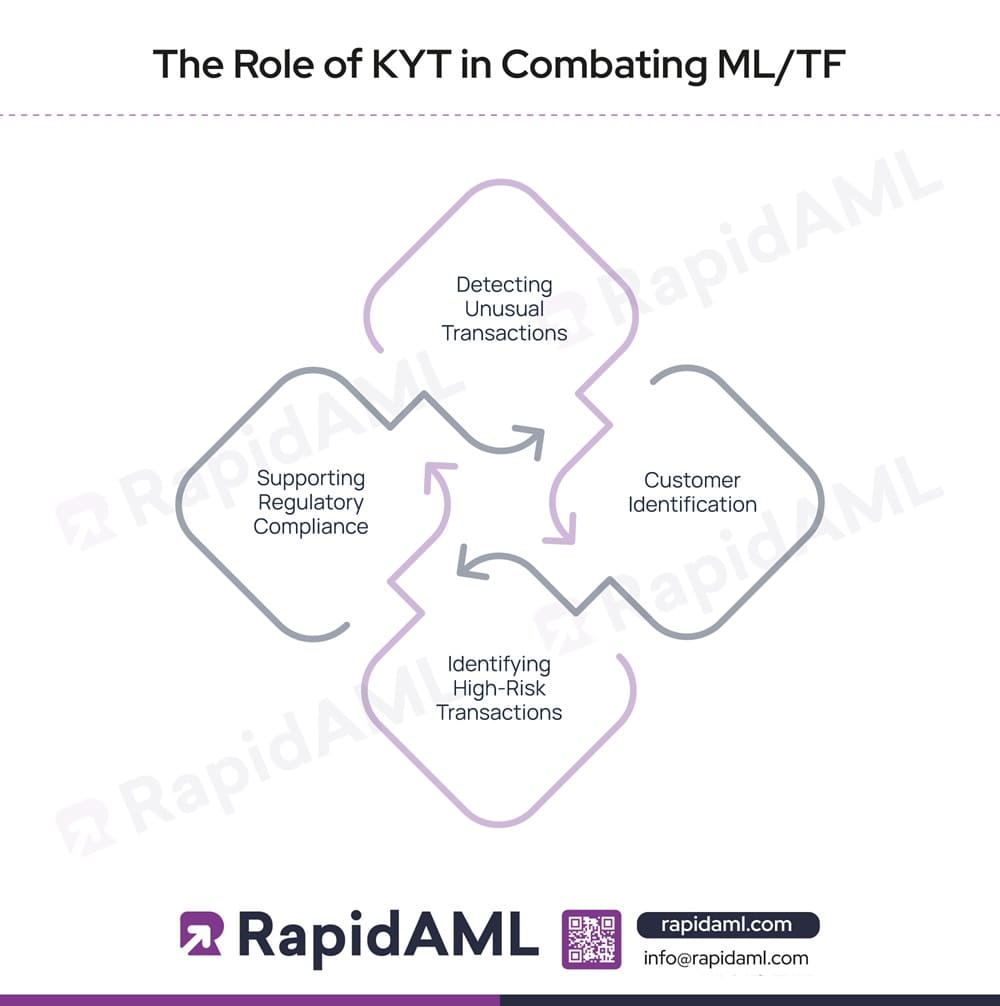
TRM Labs leverages artificial intelligence to detect sophisticated money laundering patterns and illicit activity across multiple blockchains. Its platform excels in identifying complex obfuscation techniques used in DeFi, such as mixer interactions and cross-chain swaps. TRM’s focus on predictive analytics helps compliance teams proactively flag suspicious transactions before they settle, offering a proactive defense mechanism that complements reactive KYT Graph analysis.
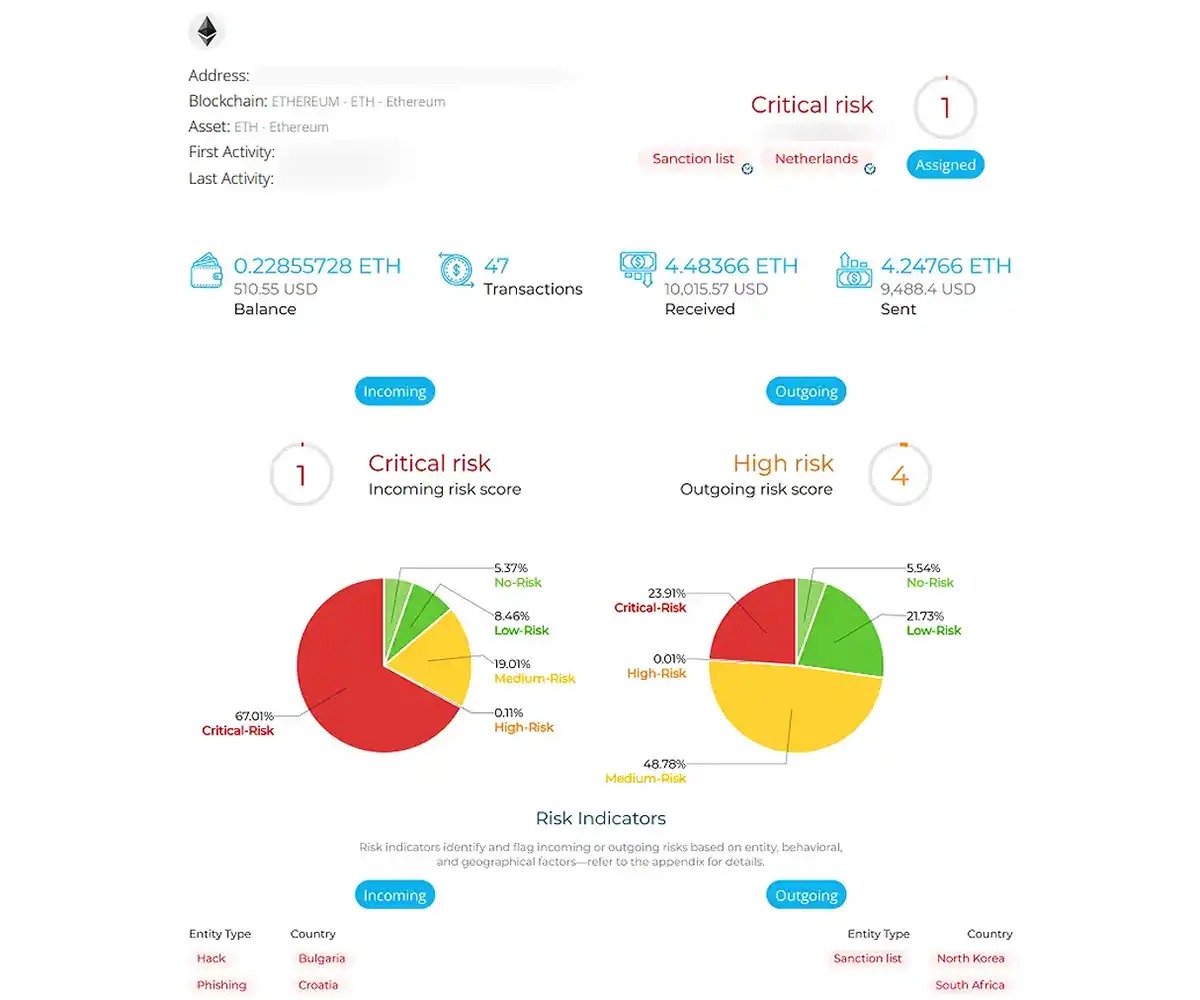
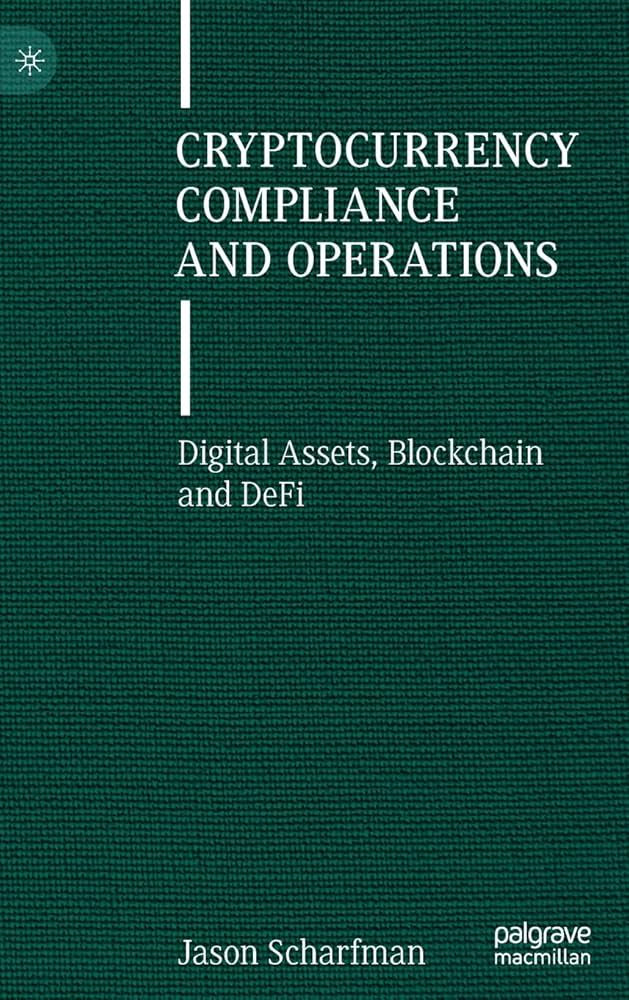

As an Amazon Associate, we may earn from qualifying purchases.
When evaluating these solutions, prioritize platforms that offer transparent API documentation and seamless integration with existing DeFi infrastructure. The cost of non-compliance in the crypto sector continues to rise, making the choice of a KYT partner a strategic decision rather than a mere technical procurement.
Implementation and integration steps
Integrating KYT Graph 2026 requires aligning technical infrastructure with regulatory mandates. The process moves from API configuration to real-time transaction tagging, ensuring compliance without disrupting user experience.
Generate secure API keys within the KYT dashboard. Map these credentials to your protocol’s backend environment variables to establish an authenticated connection for transaction monitoring requests.
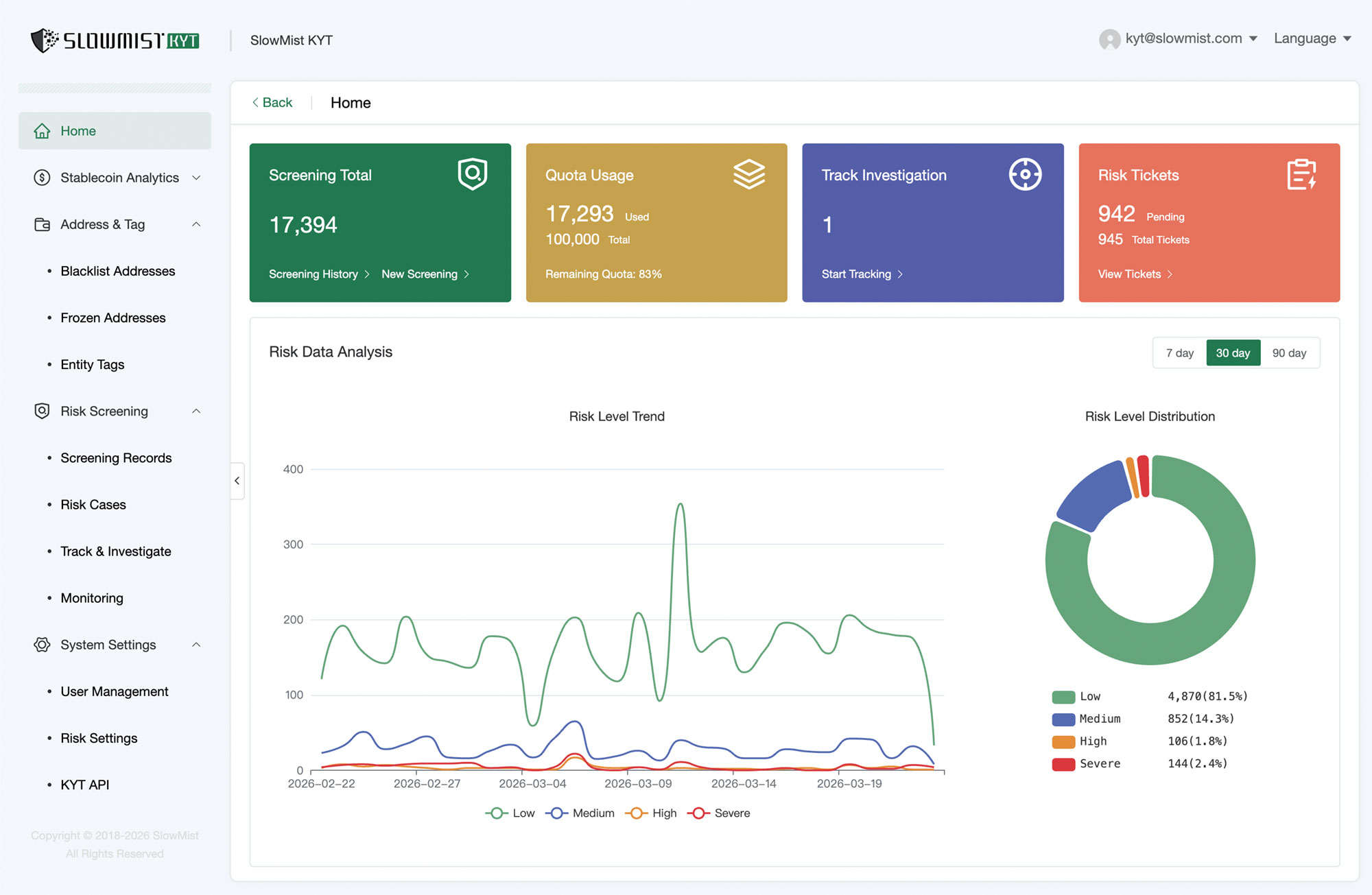
Set up dedicated webhook endpoints to receive real-time alerts. Configure filters to capture high-risk transaction types, such as interactions with sanctioned addresses or mixer services, ensuring immediate notification to compliance teams.
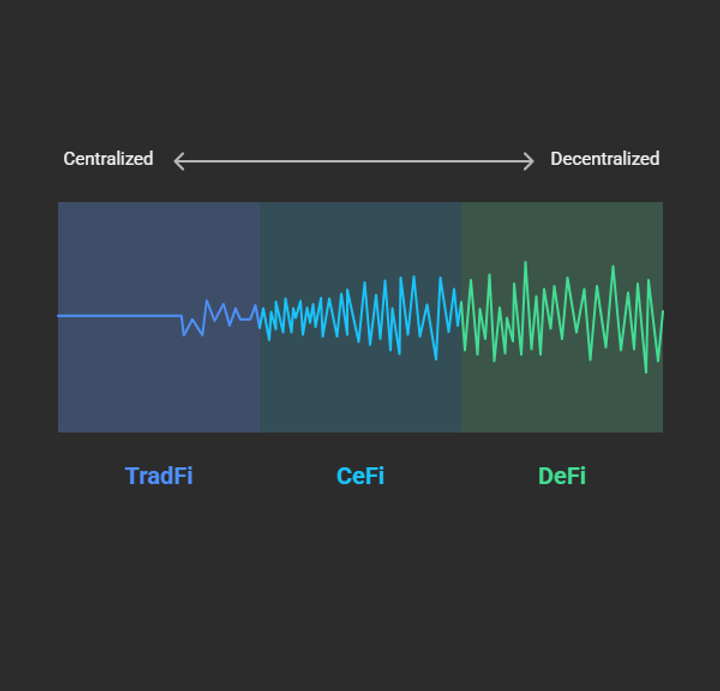
Implement client-side or node-level logic to tag outgoing transactions with risk scores. Use the API response to determine if a transaction requires manual review or automatic blocking based on your predefined compliance thresholds.
No comments yet. Be the first to share your thoughts!