
The shift to real-time graph analytics
The compliance landscape in 2026 has moved decisively beyond static address labeling. Where earlier systems relied on post-transaction blacklists and basic heuristics, modern KYT solutions now leverage dynamic graph analytics to map transaction flows in real time. This shift addresses the fundamental limitation of legacy tools: they could identify known bad actors but failed to detect emerging threats hidden within complex transaction chains.
Real-time graph monitoring treats blockchain data as a living network rather than a ledger of isolated events. By analyzing the relationships between addresses, entities, and smart contracts, compliance engines can now identify patterns indicative of layering, mixing, or structuring before funds are fully settled. This capability is critical for high-frequency trading platforms and DeFi protocols where transaction velocity outpaces traditional review cycles.
The integration of artificial intelligence further refines this process. Machine learning models trained on historical graph structures can distinguish between legitimate high-volume activity and suspicious behavior with greater precision than rule-based systems. As the Knowledge Graph Conference 2026 highlights, the convergence of semantic technologies and graph databases is enabling more nuanced risk assessments that adapt to evolving criminal methodologies.
This evolution is not merely technical but regulatory. Financial Action Task Force (FATF) guidance increasingly emphasizes the need for timely and accurate transaction monitoring, pushing institutions toward these advanced graph-based solutions. The ability to visualize and query these relationships instantly reduces the window for illicit transfers, providing a more robust defense against financial crime.
AI integration in transaction monitoring
Rule-based systems have long served as the first line of defense in anti-money laundering (AML) compliance, yet they struggle to keep pace with the sophistication of modern financial crime. These legacy systems rely on static thresholds and predefined patterns, often generating excessive false positives while missing complex, multi-layered laundering schemes. AI integration in transaction monitoring addresses this gap by applying machine learning models to graph data, enabling the detection of subtle, non-linear relationships that human analysts and rigid algorithms cannot easily identify.
Machine learning algorithms, particularly graph neural networks (GNNs), analyze the structure and behavior of transaction networks in real time. Instead of flagging individual transactions based on isolated criteria, these models evaluate the context of each node within the broader network. This approach allows compliance teams to identify syndicated laundering operations, where funds are moved through multiple intermediaries to obscure their origin. By learning from historical data, these models adapt to evolving criminal tactics, reducing the noise of false alerts and focusing resources on genuinely suspicious activity.
The shift from static rules to dynamic AI models represents a significant advancement in regulatory technology. It allows institutions to move beyond simple threshold breaches and understand the intent behind complex transaction flows. This capability is essential for meeting the stringent requirements of modern regulatory frameworks, which demand proactive and intelligent monitoring rather than reactive reporting.
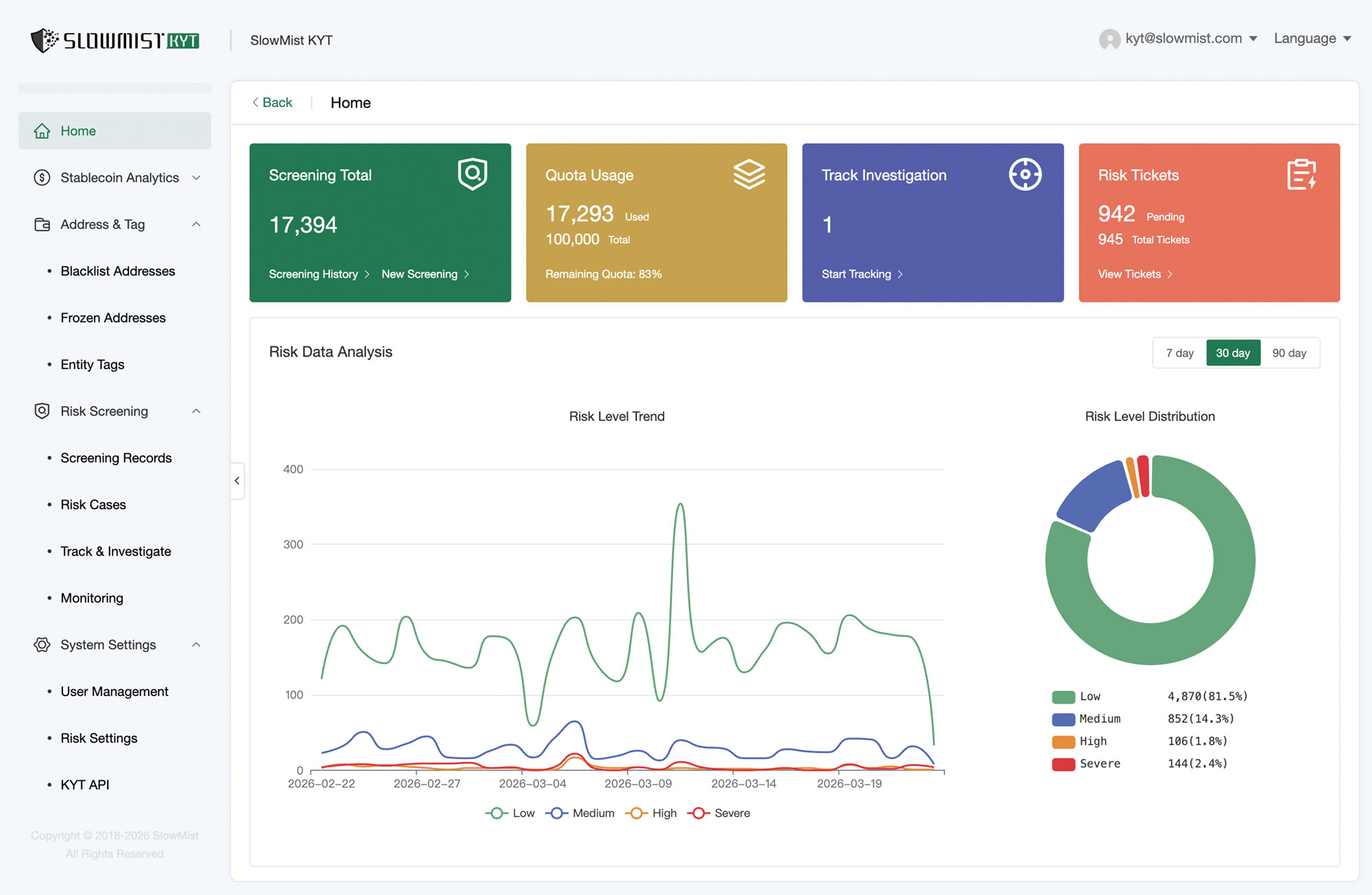
Real-time monitoring capabilities
Real-time transaction monitoring requires infrastructure capable of ingesting high-velocity data streams without compromising analytical depth. For compliance systems, the distinction between "near-real-time" and true real-time is operational, not semantic. Latency thresholds dictate whether a suspicious activity report (SAR) is filed after the fact or prevented before settlement. Systems must process millions of events per second, correlating on-chain activity with off-chain identity data to flag anomalies instantly.
The backbone of this capability is the integration of live data feeds into graph databases. Unlike relational databases, graph structures natively represent the complex web of relationships between addresses, entities, and transactions. This allows for immediate traversal of multi-hop connections, identifying hidden layers of mixing services or shell companies that linear processing might miss. The system must maintain a continuous, low-latency sync with blockchain nodes to ensure the graph reflects the current state of the ledger.
Throughput requirements vary by network, but the architecture must scale horizontally to handle peak loads during market volatility. Event-driven architectures, often leveraging tools like Apache Kafka, decouple data ingestion from analysis, ensuring that spikes in transaction volume do not degrade monitoring accuracy. The goal is to reduce the time from transaction confirmation to risk scoring to seconds, enabling automated interventions such as freezing assets or triggering enhanced due diligence workflows.
Compare KYT solution architectures
Choosing a KYT graph solution requires evaluating how different vendors handle the intersection of real-time data ingestion, AI-driven risk scoring, and regulatory reporting. The architecture dictates whether compliance is reactive or proactive.
The following comparison outlines the primary architectural approaches currently available in the market. These distinctions are critical for legal teams assessing liability exposure and operational latency.
| Feature | Real-Time Latency | AI/ML Integration | Blockchain Coverage | Regulatory Fit |
|---|---|---|---|---|
| Cloud-Native SaaS | <100ms | Proprietary deep learning models | 50+ chains | Global (FATF, EU MiCA) |
| On-Premise Appliance | Variable (internal network) | Customizable rule engines | Core chains only | High-security jurisdictions |
| Hybrid Graph Platform | Sub-second with caching | Federated learning support | Extensive + cross-chain bridges | Adaptable to local laws |
Cloud-native solutions offer the lowest latency but may raise data sovereignty concerns in strict jurisdictions. On-premise systems provide greater control over sensitive transaction data but require significant internal engineering resources to maintain AI model accuracy. Hybrid architectures attempt to balance these needs by keeping core indexing local while leveraging cloud-based AI inference.
When selecting a provider, verify that their AI models are trained on recent, high-fidelity transaction data. Outdated training sets lead to higher false-positive rates, which disrupt legitimate business operations and increase compliance overhead.
Regulatory implications for 2026
The regulatory environment for 2026 demands that institutions demonstrate not just the presence of monitoring tools, but their efficacy in real-time threat detection. Compliance officers must navigate a fragmented landscape where FATF guidance, EU MiCA, and local jurisdictional laws impose varying latency and data retention requirements.
A practical choice should survive normal use, maintenance, timing, and budget. If a recommendation only works in an ideal situation, call that out plainly and give the reader a fallback path.
The simplest way to use this section is to write down the must-have criteria first, then compare each option against those criteria before weighing nice-to-have features.
Institutions must prioritize architectures that maintain detection accuracy as transaction volumes spike. Legacy rule-based systems often see accuracy drop below 60% under high load due to timeout errors and queue backlogs. In contrast, well-optimized graph databases with horizontal scaling can maintain accuracy above 80% even at 20,000 TPS, provided the underlying AI models are trained on representative high-volume datasets.
Additionally, regulatory audits in 2026 increasingly require proof of "real-time" intervention. This means the system must not only detect but also act—freezing assets or flagging transactions—within a defined SLA, typically under 100 milliseconds. Solutions that rely on batch processing or asynchronous queues fail this test, exposing the institution to significant regulatory penalties and reputational damage.
Legal teams should demand transparency regarding the model's decision-making process. Black-box AI systems, while potentially more accurate, are difficult to defend in regulatory hearings. Hybrid approaches that combine graph analytics with explainable AI (XAI) provide the necessary audit trail, linking specific transaction patterns to risk scores in a way that satisfies both technical and legal scrutiny.
No comments yet. Be the first to share your thoughts!