
The Shift to Real-Time Compliance
The compliance landscape for 2026 is defined by a decisive break from legacy batch processing. Traditional methods, which relied on periodic snapshots of transaction data, are no longer sufficient to address the velocity of modern financial crime. The primary keyword cluster, KYT Graph 2026, represents a paradigm shift toward continuous, real-time monitoring. This transition is not merely technical; it is a regulatory imperative driven by the increasing sophistication of money laundering networks.
Legacy systems often detect illicit activity only after funds have moved through multiple layers of complexity. In contrast, KYT Graph 2026 leverages graph database technologies to map relationships between entities instantly. By visualizing the web of connections in real time, compliance teams can identify suspicious patterns—such as rapid fund transfers between unrelated accounts—before they solidify into completed transactions. This capability transforms compliance from a reactive audit function into a proactive risk management tool.
Regulators are tightening their expectations for financial institutions. Agencies in major jurisdictions are explicitly demanding higher granularity and faster response times in anti-money laundering (AML) protocols. The gap between what regulators expect and what legacy batch systems can deliver is widening. Institutions that continue to rely on end-of-day reporting risk significant penalties and reputational damage. The focus is now on preventing harm, not just documenting it.
This real-time approach requires a robust infrastructure capable of handling high-volume data streams without latency. KYT Graph 2026 integrates directly into transaction workflows, allowing for immediate decision-making. Whether flagging a transaction for manual review or blocking it automatically, the system provides the speed necessary to operate in today’s digital economy. The result is a compliance framework that is both more effective and more efficient, aligning technological capability with regulatory duty.
Real-time transaction monitoring shifts
The traditional model of post-transaction analysis is failing to meet the velocity of modern Web3 threats. Regulators are no longer satisfied with reports that arrive days after illicit funds have moved through multiple layers of anonymity. The shift toward real-time graph analytics is driven by the need to intercept suspicious activity before it settles, transforming compliance from a retrospective audit into an active defense mechanism.
This transition is largely a response to tightening regulatory frameworks. The Financial Action Task Force (FATF) has increasingly emphasized the "travel rule" and the necessity for Virtual Asset Service Providers (VASPs) to identify and verify the originators and beneficiaries of transactions. In a real-time environment, graph analytics can instantly map these relationships, flagging high-risk clusters and mixing services as they occur, rather than after the capital has been laundered.
Technically, this requires moving beyond simple rule-based screening. Graph databases allow compliance teams to visualize complex ownership structures and circular trading patterns that traditional relational databases miss. By analyzing the entire transaction graph in real time, platforms can detect subtle anomalies, such as rapid layering or interaction with sanctioned entities, with far greater precision.
The result is a more resilient compliance infrastructure. While the initial implementation is complex, the ability to monitor risk continuously reduces regulatory exposure and protects institutional credibility. As 2026 regulatory expectations solidify, real-time graph analytics are becoming less of a competitive advantage and more of a baseline requirement for legitimate Web3 operations.
Web3 compliance tools compared
The regulatory landscape for digital assets is shifting from voluntary standards to mandatory enforcement. For compliance officers and legal teams, selecting the right risk monitoring infrastructure is no longer a technical preference but a legal necessity. This section compares KYT Graph 2026 against other established blockchain risk assessment solutions, focusing on real-time monitoring capabilities, compliance scope, and integration depth.
While many tools offer basic transaction screening, the 2026 standard requires proactive, real-time data ingestion to meet FinCEN and FATF recommendations. The following table outlines the functional differences between KYT Graph 2026 and leading competitors in the market.
KYT Graph 2026 distinguishes itself through its API-first architecture, allowing for seamless embedding into existing compliance workflows rather than requiring analysts to switch contexts. While competitors like Chainalysis and Elliptic offer robust desktop environments, their API integrations can be more rigid, potentially slowing down real-time decision-making for high-volume exchanges.
Compliance scope is another critical differentiator. With the implementation of EU MiCA and evolving FinCEN guidance, tools must support a broader range of jurisdictions. KYT Graph 2026’s global scope ensures that entities operating across borders can maintain a single source of truth for risk assessment, reducing the legal friction associated with multi-jurisdictional reporting.
Blockchain risk assessment checklist
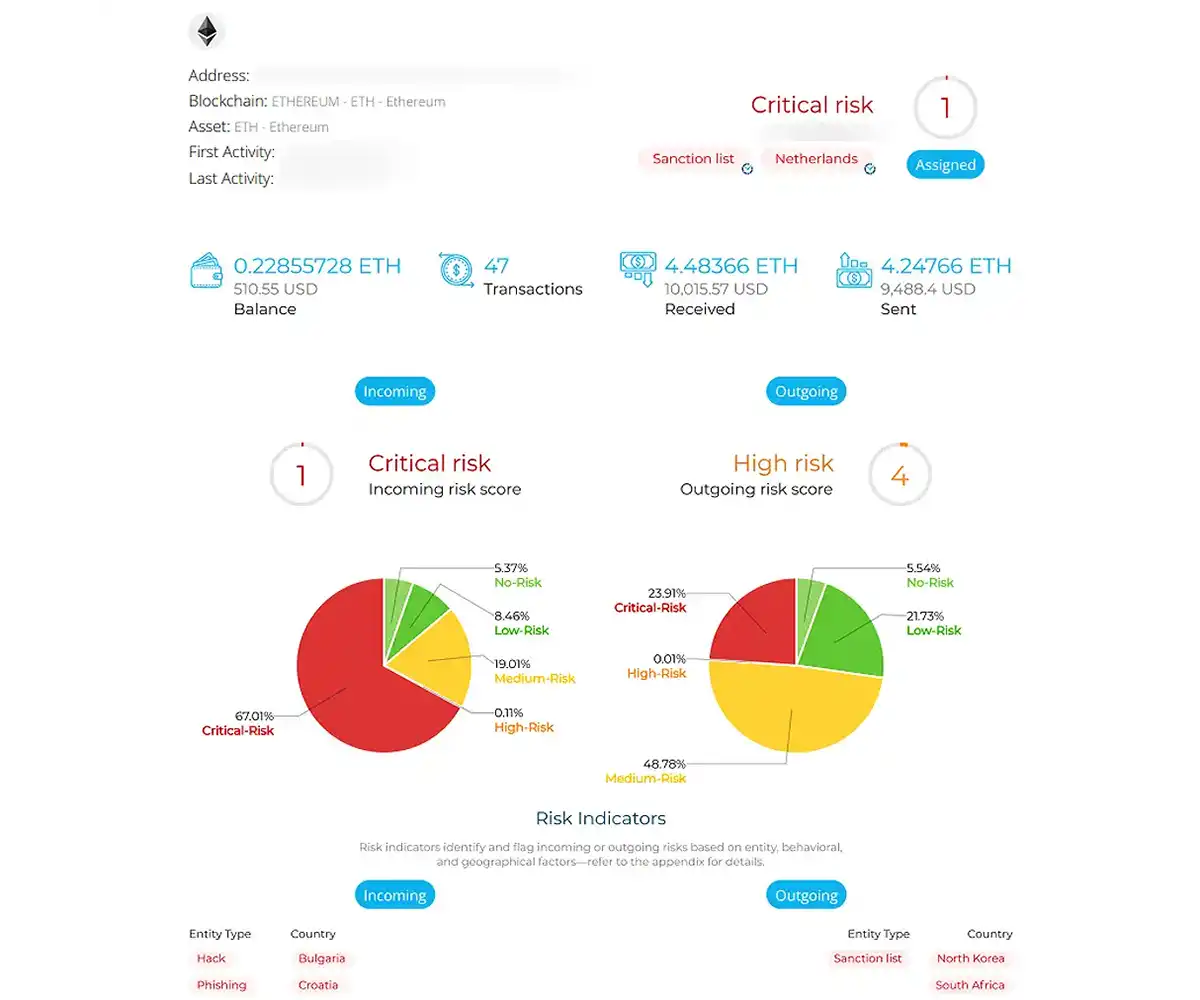
Implementing a KYT Graph for real-time compliance requires more than just software installation; it demands a structured validation process. As regulatory frameworks tighten in 2026, organizations must verify that their monitoring systems accurately identify high-risk entities, including sanctioned addresses and mixing services. This checklist aligns with current guidance from the Financial Action Task Force (FATF) and regional regulators, ensuring your infrastructure meets the threshold for effective transaction monitoring.
Before deploying the system, validate the data sources and mapping logic. Ensure the graph connects on-chain activity to off-chain identity data where available. Verify that the system flags interactions with darknet markets, ransomware collect addresses, and sanctioned jurisdictions in real-time. Regular audits of these mappings prevent false negatives that could lead to regulatory penalties.
Pre-Implementation Validation
- Sanctions List Integration: Confirm the system ingests updated lists from OFAC, UN, and EU sanctions regimes daily.
- Risk Scoring Calibration: Test the risk scoring algorithm against known high-risk transaction patterns to ensure accurate flagging.
- Data Source Reliability: Verify that the graph’s underlying data providers have a proven track record of accuracy and low latency.
Operational Monitoring
- Real-Time Alerting: Ensure alerts are triggered instantly for transactions exceeding defined risk thresholds.
- False Positive Management: Establish a workflow for reviewing and dismissing false positives to maintain operational efficiency.
- Audit Trail Maintenance: Keep immutable logs of all alerts, reviews, and decisions for regulatory examination.
Continuous Compliance
- Regulatory Updates: Assign a team to monitor changes in FATF recommendations and local AML laws.
- Periodic Testing: Conduct quarterly penetration testing and scenario-based simulations to identify gaps in the monitoring logic.
- Staff Training: Provide regular training for compliance officers on interpreting KYT Graph outputs and identifying sophisticated evasion techniques.
No comments yet. Be the first to share your thoughts!