
Streamlining Compliance for Blockchain Firms with Sanctions Wallet Graph Tools

In the fast-evolving world of blockchain, compliance teams face a relentless tide of sanctions risks hidden within intricate transaction graphs. Traditional screening methods falter against obfuscated wallet clusters and cross-chain flows, leaving firms exposed to regulatory scrutiny. Sanctions wallet graph tools, powered by advanced analytics, cut through this complexity, offering blockchain firms a path to streamlined compliance without sacrificing speed or innovation.
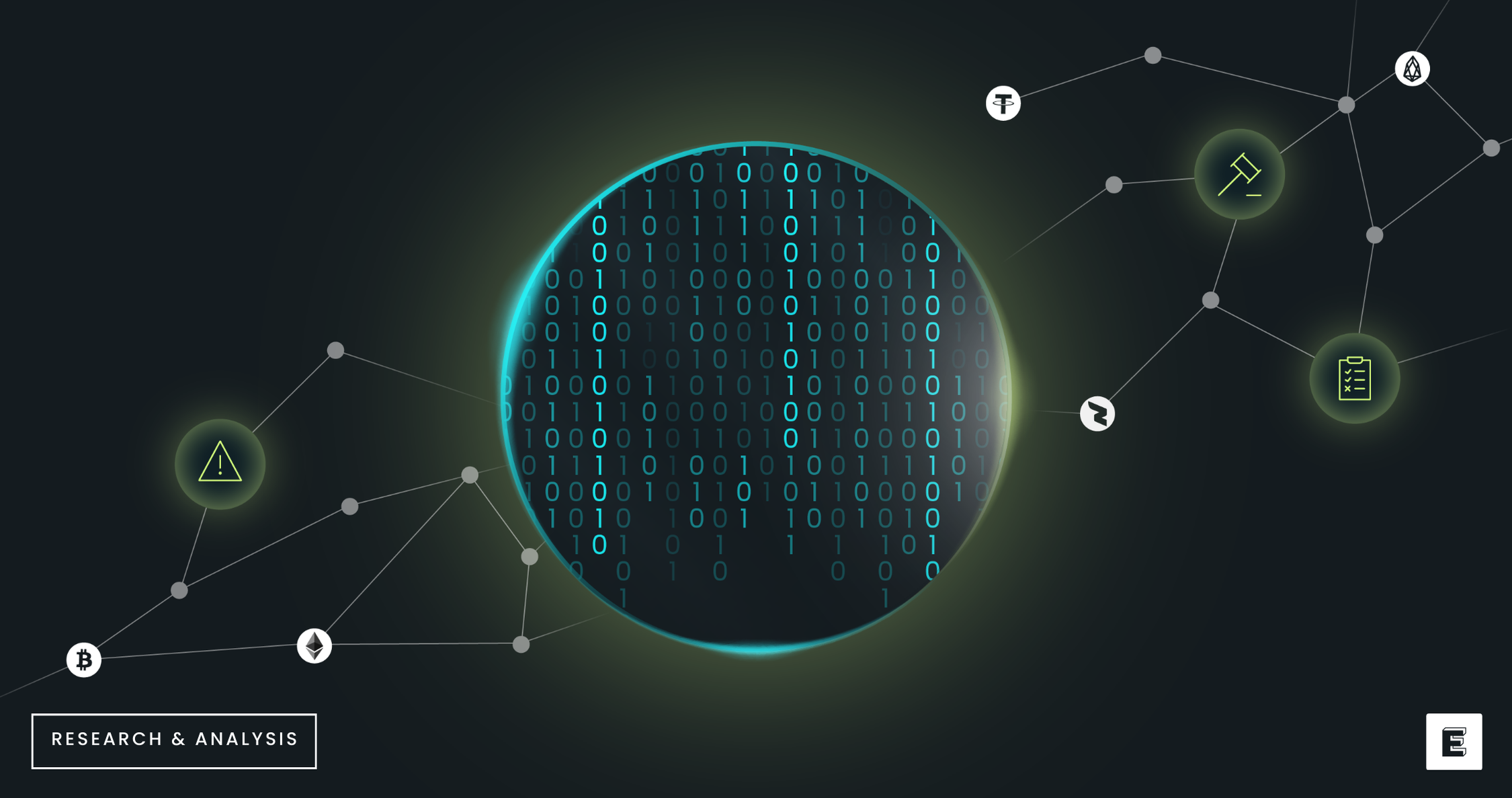
These tools leverage blockchain sanctions compliance graphs to map relationships that static lists miss. Picture a withdrawal funneling through a mixer into a sanctioned entity; graph analytics spots it in real-time, flagging the path before funds settle. As firms scale operations across Ethereum, Solana, and beyond, such precision becomes non-negotiable.
Navigating the Sanctions Landscape in Crypto
Regulatory bodies like OFAC have ramped up crypto-focused sanctions, targeting wallets tied to illicit actors from ransomware groups to nation-state operatives. Chainalysis reports highlight how KYT streamlines transaction risk assessment at scale, yet many firms still rely on outdated blacklists. The updated landscape in 2026 reveals tools like Tatum’s OFAC Sanctioned Wallet List and CoinForensics’ Sanctions Checker stepping up, providing instant verification against dynamic watchlists.

Elliptic’s insights underscore blockchain analytics as a bulwark against sanctions evasion challenges. TRM Labs echoes this, showing how intelligence powers real-time KYC and KYT for digital asset risk management. But here’s the nuanced truth: breadth matters as much as depth. Jessica Chuah advises evaluating KYT analytics by supported networks and monitoring granularity, a point where graph-based approaches excel by clustering high-risk entities across chains.
Graph Analytics: The Core of Effective KYT
KYT wallet visualization tools transform raw blockchain data into actionable intelligence. Unlike linear screening, graph analytics reveal hidden connections – think DeFi bridges masking tainted funds or tumblers dispersing proceeds. Qulix outlines design patterns for real-time screening, analyzing payments and trades in milliseconds to flag evasion patterns.
Key Benefits of Sanctions Wallet Graph Tools
-
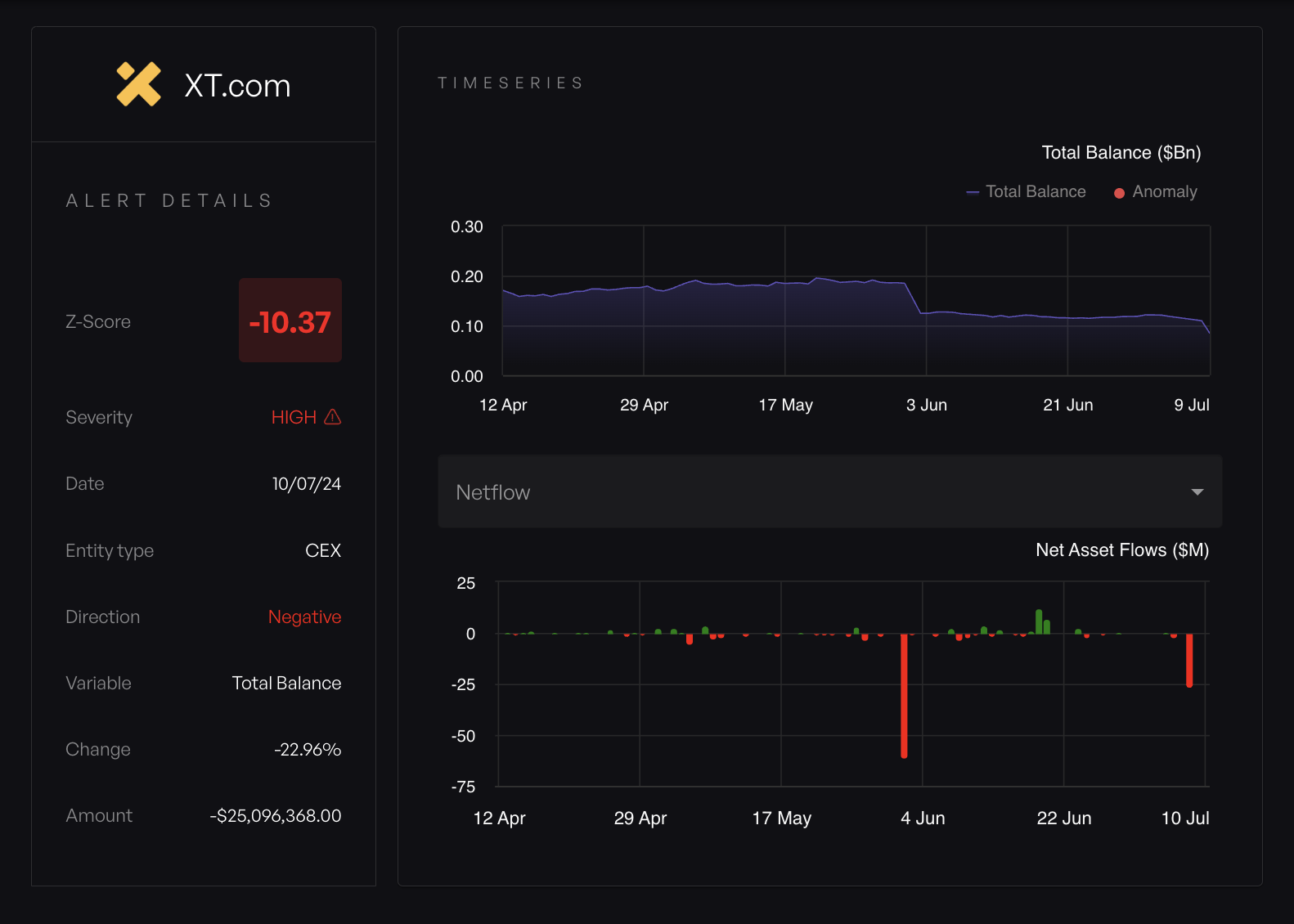
Real-Time Anomaly Detection: Screens transactions in milliseconds to flag sanctions evasion patterns, as in Chainalysis KYT and BlockSec Phalcon.
-
Cross-Chain Visibility: Monitors wallets across multiple networks, powered by TRM Labs and Scorechain’s broad blockchain coverage.
-
Automated Risk Scoring: Assesses crypto transaction risks at scale, streamlining compliance like Chainalysis KYT.
-
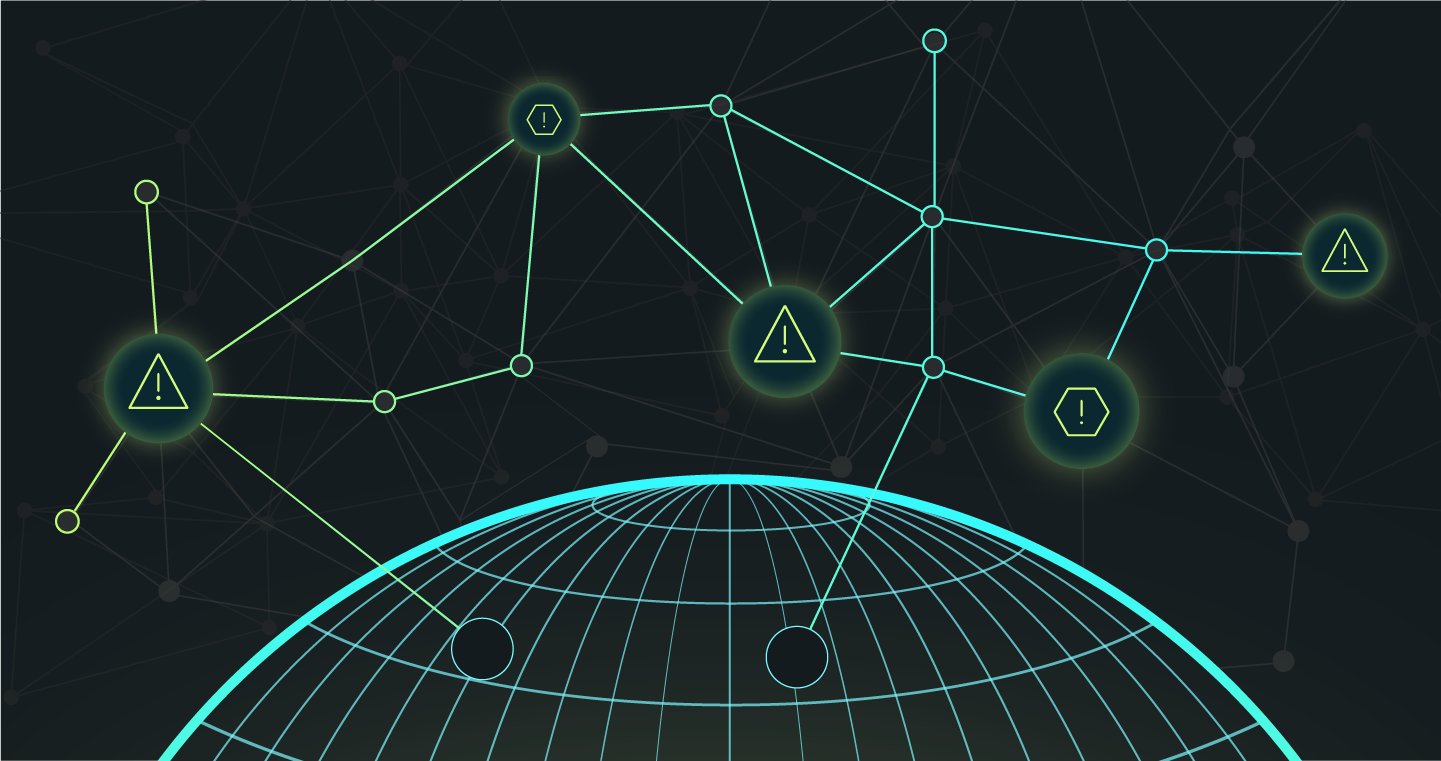
Intuitive Visualizations: Delivers graph-based insights for compliance teams, as used in Elliptic analytics.
-

Seamless Integration: APIs like Scorechain Sanctions Screening fit existing workflows effortlessly.
At Kytgraph. com, we’ve seen firsthand how these tools empower exchanges to cluster wallets with precision, drawing from 12 years of hybrid analysis. Scorechain’s API, for instance, automates screening against OFAC and FATF lists, while BlockSec’s Phalcon traces fund movements, unmasking mixers and cloaked addresses. This isn’t just tech; it’s a framework blending technical heuristics with regulatory savvy, mitigating risks that keep compliance chiefs up at night, as KYC Chain notes.
Building Robust Compliance Workflows
Streamlining starts with integration. Dojah details KYT processes for fraud-free exchanges, emphasizing tools that embed seamlessly into transaction flows. Lukka Data Solutions advocates best practices for digital asset sanctions frameworks, where crypto compliance graph analytics provide the edge. Firms adopting these report fewer false positives and faster audits, turning compliance from a cost center into a competitive advantage.
CryptoLinks peers into 2026, where KYT checks dominate platforms. Yet, unspoken risks persist: over-reliance on volume-based alerts or ignoring graph depth. Our experience at Kytgraph. com reveals that hybrid models – fusing entity resolution with behavioral scoring – yield the best outcomes. Tatum and CoinForensics exemplify this, offering lists and checkers that feed into graph engines for holistic views.
Hybrid frameworks shine because they adapt to the crypto ecosystem’s fluidity. Consider a mid-sized exchange handling Solana-based NFTs; without graph depth, a seemingly clean wallet might link back to an OFAC-listed mixer. Tools like BlockSec’s Phalcon Compliance excel here, tracing funds across chains in real-time and spotlighting anomalies that volume alerts overlook.
Measuring Success: Metrics That Matter
Compliance isn’t just about avoidance; it’s quantifiable impact. Firms using KYT wallet visualization tools report up to 40% reductions in screening times, per industry benchmarks from TRM Labs and Elliptic. Success metrics include false positive rates below 5%, audit readiness scores, and risk exposure drops measured against Chainalysis’ OFAC tracker. At Kytgraph. com, our clients benchmark against these, leveraging graph heuristics to prioritize high-velocity threats over noise.
Comparison of Top Sanctions Screening Tools
| Tool | Key Features | Supported Chains | Strengths |
|---|---|---|---|
| Tatum OFAC List | Real-time updates, wallet focus, tracks OFAC-listed crypto addresses | Multi-chain | Efficient identification of sanctioned wallets |
| CoinForensics Checker | Instant verification of cryptocurrency wallets against sanctions lists | Multi-chain | Quick detection and prevention of illicit activities |
| Scorechain API | FATF/OFAC integration, automated screening against global watchlists | Multi-chain | Streamlines AML compliance with automated checks |
| BlockSec Phalcon | Real-time fund tracing, mixer detection, identifies sanctioned sources and cloaked wallets | Multiple blockchains | Enhanced anomaly detection across chains |
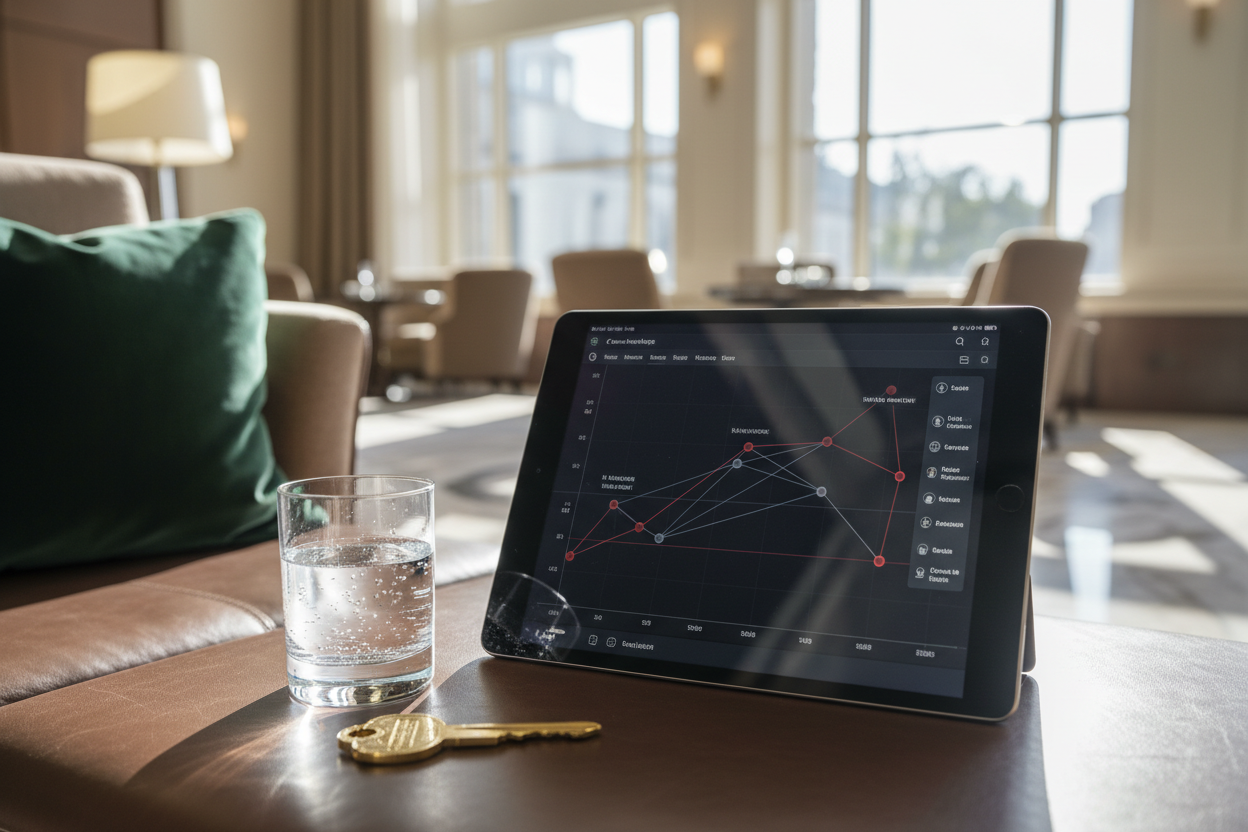
Visualizing these metrics turns abstract compliance into boardroom clarity. A simple dashboard showing wallet clusters by risk tier – green for low, red for sanctioned – empowers teams to act decisively. This shift from reactive firefighting to proactive shielding defines leaders in the space.
Practical Steps: Implementing Graph Tools Today
Transitioning to graph-powered KYT demands deliberate steps, not wholesale overhauls. Start by auditing current workflows: map transaction touchpoints vulnerable to sanctions evasion, like inbound deposits or bridge transfers. Evaluate tools for API compatibility and visualization depth, ensuring they handle your chain mix – Bitcoin, Ethereum, Layer-2s, and emerging L1s.
Once integrated, iterate based on feedback. Qulix’s design patterns suggest millisecond screening loops, flagging patterns like rapid multi-hop transfers. Dojah’s strategies reinforce this with layered monitoring: entity checks first, graph analysis second. The result? Exchanges that not only comply but anticipate regulatory shifts, as OFAC’s crypto sanctions evolve.
Opinionated take: Skip vendor hype promising ‘complete coverage. ‘ No tool covers every obfuscation tactic indefinitely; blockchain’s pseudonymous nature ensures that. Prioritize platforms with extensible heuristics, like Kytgraph. com’s, where custom risk models layer atop core analytics. This balanced approach – technical prowess meets regulatory foresight – future-proofs operations.
The Edge in Competitive Compliance
As 2026 unfolds, per CryptoLinks, KYT becomes table stakes, but graph analytics separate the compliant from the exposed. KYC Chain’s unspoken risks – siloed data, alert fatigue, chain fragmentation – dissolve under unified visualizations. Lukka’s frameworks gain traction precisely because they embed crypto compliance graph analytics at the core, turning compliance into a moat against fines and reputational hits.
Blockchain firms thriving today blend these tools into daily rhythms. Picture a trading desk greenlighting a $10 million outflow because graph traces confirm clean provenance, or a DeFi protocol pausing yields on tainted liquidity pools. These aren’t hypotheticals; they’re routine for adopters of Tatum, Scorechain, and peers.
Ultimately, sanctions wallet graph tools redefine compliance as an enabler. They illuminate the blockchain’s underbelly, surfacing risks before they surface in headlines. For fintechs and exchanges charting Web3’s frontier, investing here isn’t optional – it’s the insight that sustains growth amid scrutiny.