
Uncovering North Korea Crypto Laundering Paths in Wallets Using KYT Graphs
North Korean state-sponsored actors have escalated their cryptocurrency theft and laundering operations to unprecedented levels, siphoning $3.4 billion in 2025 alone, which represents about 60% of global crypto thefts that year. The February 2025 Bybit exchange hack, stealing nearly $1.5 billion in Ether, stands as the largest such incident in history. These funds, often funneled to finance unlawful weapons programs, traverse complex wallet networks designed to evade detection. As a compliance veteran with 16 years in crypto sanctions, I emphasize that proactive KYT graph analytics is essential for uncovering these North Korea crypto sanctions wallets and disrupting their paths before they consolidate into fiat.
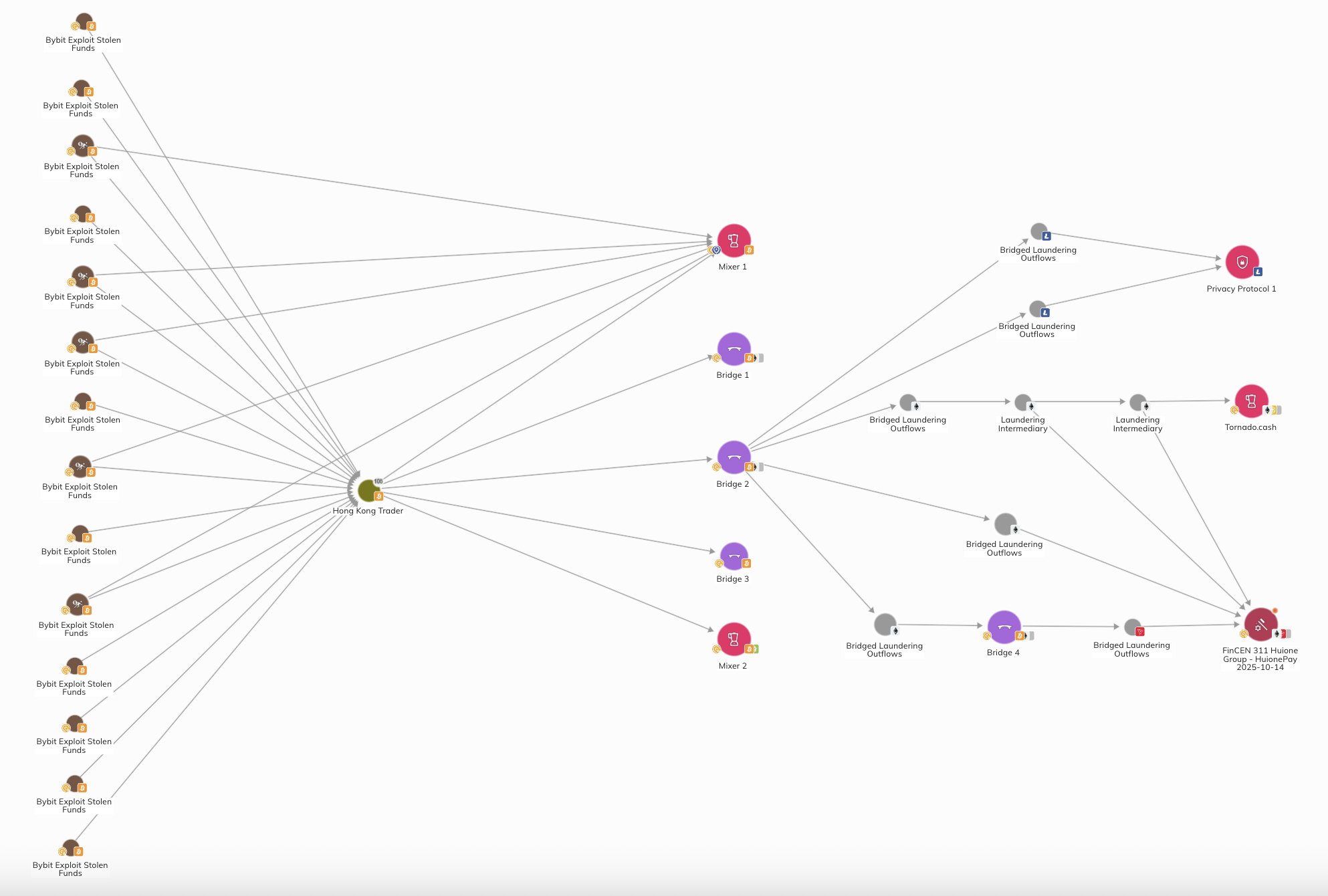
Recent U. S. Treasury actions underscore the urgency. Sanctions targeted DPRK bankers, institutions like Cheil Bank, and dozens of crypto wallets tied to cybercrime and IT worker fraud schemes. These networks rely on mixers such as Tornado Cash and YoMix, alongside decentralized exchanges lacking KYC, to obfuscate origins. Bitcoin, currently at $76,421.00 with a 24-hour change of $-2,329.00 (-2.96%), remains a prime target despite market volatility, highlighting the need for real-time monitoring in volatile conditions.
DPRK Theft Tactics and Immediate Laundering Moves
North Korean hackers, often linked to groups like Lazarus, execute thefts through sophisticated exploits on exchanges and bridges. Post-theft, they initiate rapid obfuscation within days 1-5, transferring funds to mixers and DEXs. This initial layer breaks direct ties to compromised hot wallets. Chainalysis data reveals how these actors exploit cross-chain bridges to scatter assets across Ethereum, Bitcoin, and Tron networks, complicating linear transaction tracing.
IT worker fraud adds another dimension, where DPRK operatives pose as remote developers to siphon corporate funds into crypto. Treasury sanctions in late 2024 and 2025, including against entities like SIM and Lu, exposed payroll and payment mechanisms intertwined with laundering. Without advanced tools, compliance teams struggle to cluster these high-risk wallets amid the noise of legitimate traffic.
Stages of DPRK Crypto Laundering
| Stage | Timeframe | Primary Methods | Risk Level | Examples |
|---|---|---|---|---|
| Initial Obfuscation | Days 1-5 | Mixers and DEXs | High 🚨 | Tornado Cash, YoMix, DEXs lacking KYC |
| Consolidation | Days 6-10 | Cross-chain bridges | Medium ⚠️ | Low-KYC services, bridges to disperse across blockchains |
| Long-Tail | Days 20-45 | Fiat off-ramps | Low 🟢 | Complicit brokers and exchanges in minimal oversight jurisdictions |
Graph Analytics Exposes Hidden Wallet Connections
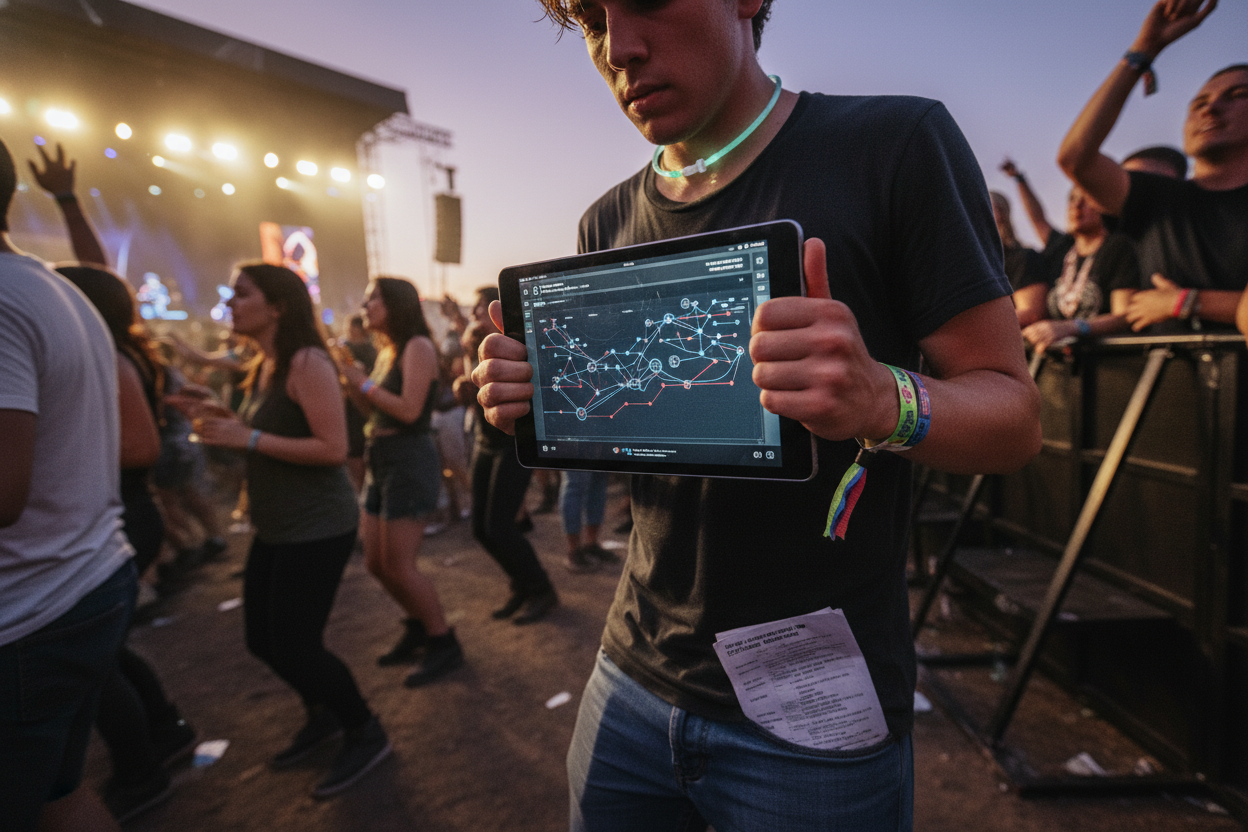
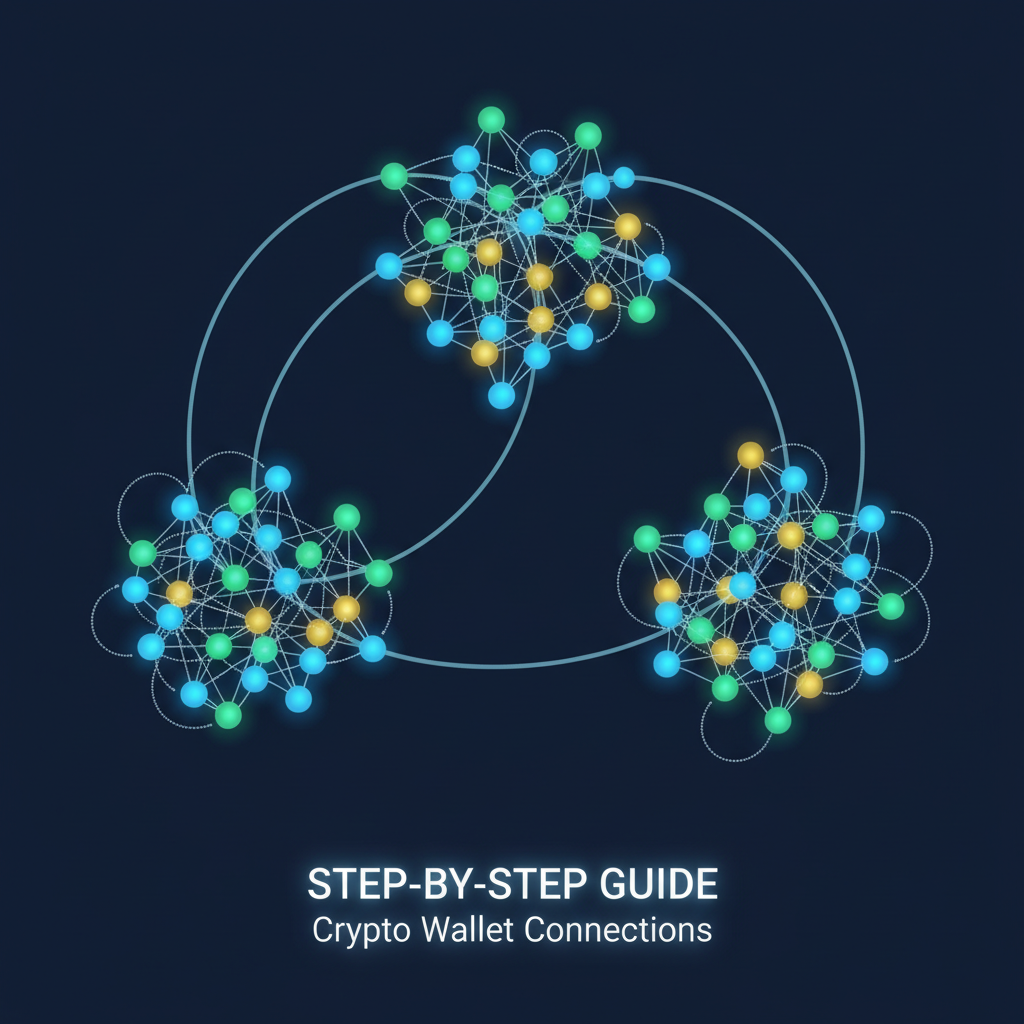
Traditional transaction monitoring falls short against DPRK ingenuity; they peel funds across hundreds of wallets, using peeling chains and threshold signatures. Here, KYT graph laundering detection shines by modeling wallets as nodes and transactions as edges in a dynamic graph. At Kytgraph. com, our platform reveals clusters of USDT wallet sanctions OFAC risks through heuristics like entity resolution and behavioral scoring.
Consider a sanctioned DPRK banker wallet: graph traversal identifies downstream mixers receiving disproportionate inflows from theft addresses. Heuristics flag temporal patterns, such as synchronized outflows post-hack, and economic prisms assess value flows exceeding typical retail thresholds. Visualizations map these paths, enabling compliance professionals to prioritize interventions with precision.
Sanctions Evasion Techniques Demystified by KYT
DPRK networks employ front companies and complicit brokers in low-oversight jurisdictions for final fiat conversion. Graph analytics pierces this veil by propagating risk scores across multi-hop connections, integrating OFAC lists with on-chain intelligence. For instance, Treasury’s disruption of digital asset money laundering webs involved tracing 53 wallets back to Cheil Bank facilitators; similar probes via KYT graphs can preempt such consolidations.
Real-time screening at Kytgraph. com empowers institutions to block tainted USDT before it hits exchanges, mitigating exposure. As Bitcoin holds at $76,421.00 amid a 24-hour low of $72,971.00, the interplay of market dips and illicit flows demands vigilant graph-based defenses to safeguard the ecosystem.
Institutions ignoring these signals risk secondary sanctions, as OFAC propagates liability across the chain. My conservative lens, honed over 16 years, views every unmonitored wallet as a potential vector for DPRK proliferation financing. Kytgraph. com’s heuristics quantify this: a wallet cluster linked to YoMix inflows scores 85% and risk if tied to post-Bybit theft timings.
Implementing KYT Graphs for DPRK Path Detection
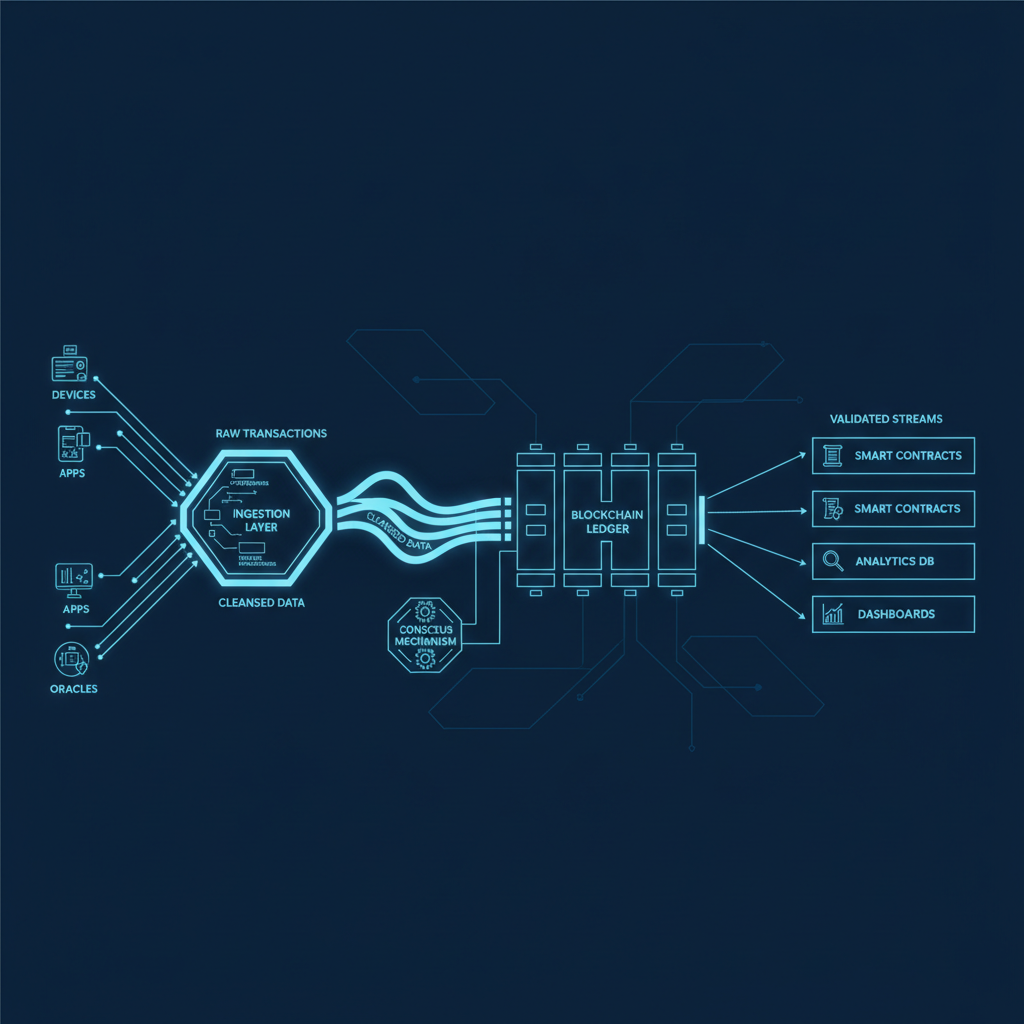
Deploying graph analytics transforms compliance from reactive firefighting to strategic foresight. Start by ingesting blockchain data into a graph database, where nodes represent wallets and edges capture transaction metadata like amounts, timestamps, and token types. Advanced entity resolution merges pseudonymous addresses into clusters, revealing DPRK operatives hiding behind thousands of peel wallets.
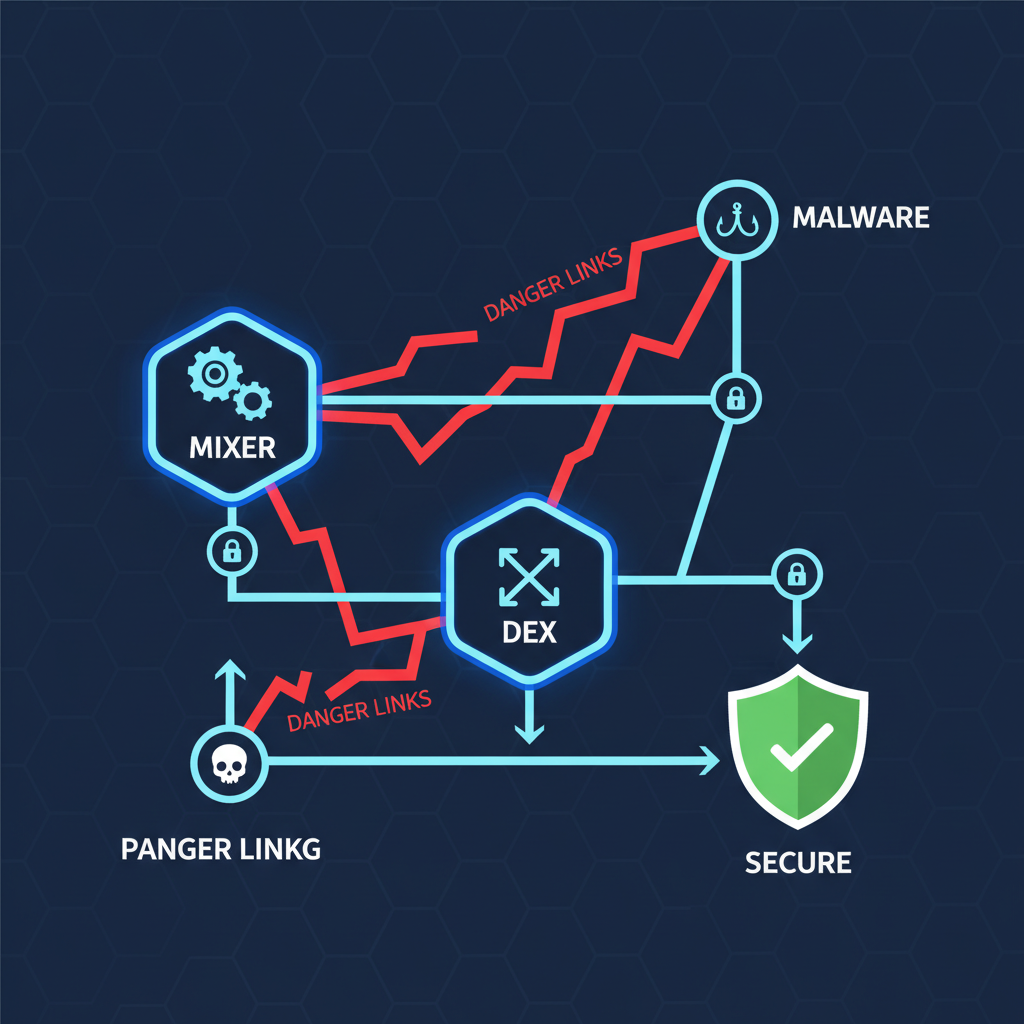
Our platform at Kytgraph. com automates this with pre-built models tuned for North Korea crypto sanctions wallets. Risk propagation algorithms simulate fund flows, flagging paths converging on known mixers. Economic analysis layers in velocity metrics: DPRK launderers exhibit high turnover ratios absent in retail patterns, a telltale under volatility like Bitcoin’s recent dip to $72,971.00.
Unmask DPRK Crypto Laundering: 5-Step KYT Graph Detection Guide
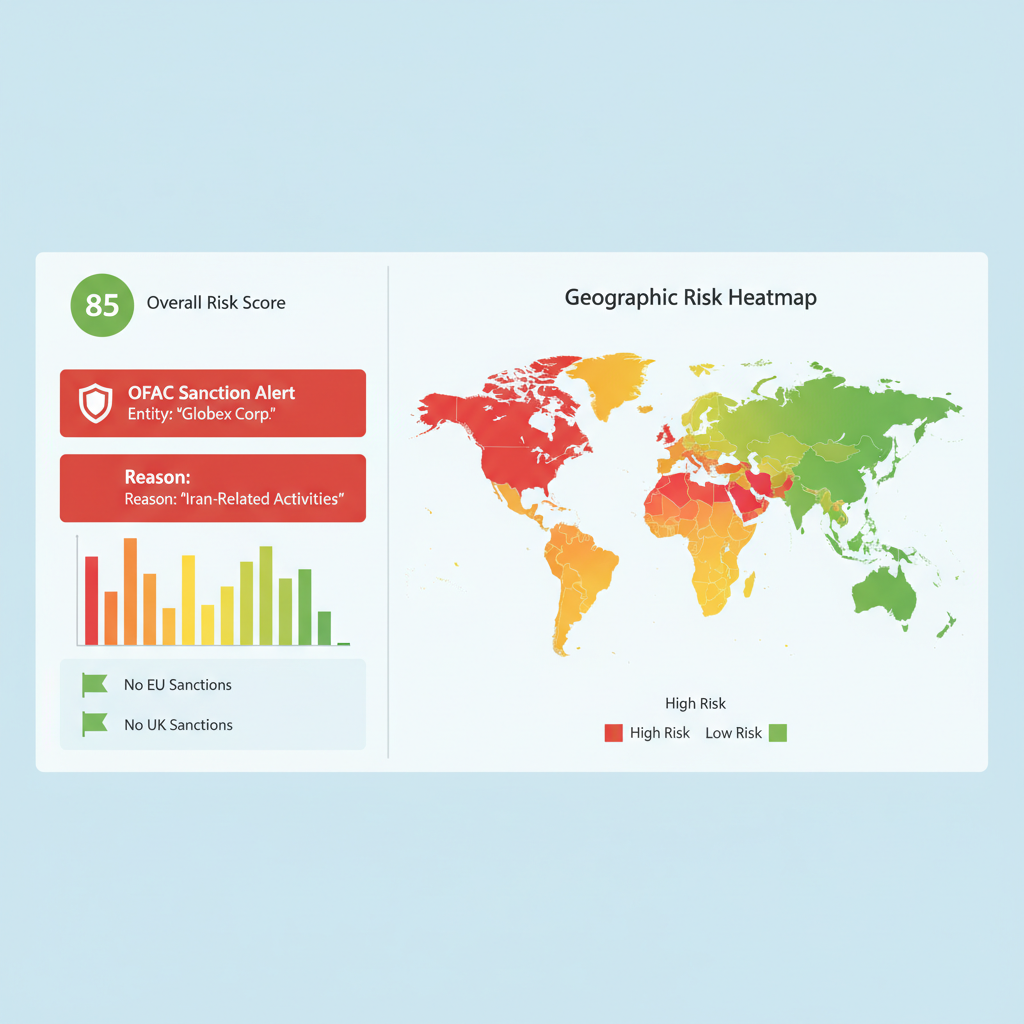

Take the Cheil Bank web: graphs exposed payroll funnels blending IT fraud proceeds with cybertheft hauls. Compliance teams can now simulate ‘what-if’ sanctions impacts, forecasting exposure before funds consolidate. This precision slashes false positives, streamlining workflows for fintechs under mounting regulatory scrutiny.
Future-Proofing Against Evolving DPRK Tactics
North Korean actors adapt swiftly, shifting to privacy coins like Monero or layer-2 rollups post-Tornado Cash bans. Yet graph analytics evolves faster, incorporating off-chain signals from broker APIs and geopolitical feeds. At Kytgraph. com, we integrate cross-chain views, tracking USDT bridges where DPRK favors stablecoins for low-volatility laundering amid Bitcoin’s $76,421.00 fluctuations.
Regulatory momentum builds: Treasury’s 2025 actions, sanctioning 10 entities for $12.7 million in laundered crypto, signal zero tolerance. Financial institutions must match this resolve. Proactive graphing prevents punitive realities, as I always stress. By clustering high-risk entities early, you not only comply but fortify the crypto ecosystem against state-sponsored predation.
With $3.4 billion stolen in 2025 fueling DPRK ambitions, the stakes demand more than alerts; they require mapped intelligence. Leverage KYT graphs today to dismantle these paths, ensuring your operations remain untainted in an era of relentless illicit innovation.